
If your home smells musty when the AC kicks on, dust seems to reappear a day after cleaning, or one room always feels damp, those are not just comfort issues. They are signs your indoor air may need attention. This guide to improving indoor air quality is built for homeowners who want a healthier, more comfortable home without guessing at what actually works.
In Southwest Florida, indoor air quality can be tricky because the same weather that keeps AC systems running hard also creates ideal conditions for humidity, mold growth, and airborne irritants. That means better air is rarely about one quick fix. It usually comes down to how your HVAC system is performing, how much moisture is in the home, and whether pollutants are being trapped or circulated.
What affects indoor air quality most
Many homeowners assume indoor air quality is mostly about dust. Dust matters, but it is only one part of the picture. Poor indoor air can also include pollen, pet dander, mold spores, bacteria, smoke residue, volatile organic compounds from household products, and excess moisture that encourages biological growth.
The biggest driver in most homes is airflow. When air is not moving properly through the system, particles stay suspended longer and rooms can develop hot, humid pockets. Filtration is another major factor. Even a good air conditioner will struggle to help if the filter is low quality, clogged, or the wrong fit for the system.
Humidity also plays an outsized role in Florida homes. Air that is too dry can be irritating, but in this region the more common problem is excess moisture. High indoor humidity can make the air feel heavy, strain the AC, and create conditions where mildew and mold can thrive behind walls, around vents, and near drain lines.
A guide to improving indoor air quality starts with your HVAC system
Your HVAC system is the center of your home’s air circulation. If it is dirty, oversized, poorly maintained, or simply aging, it can contribute to poor air quality instead of improving it.
Start with the filter. This is simple, but it is often overlooked. A clean filter helps trap particles before they recirculate through the house. The catch is that higher-rated filters are not automatically better for every system. Some restrictive filters can reduce airflow if the equipment is not designed for them. That is one reason professional guidance matters. The right filter should balance particle capture with proper airflow.
Routine maintenance is just as important. A neglected air handler can collect dust and microbial buildup over time. Evaporator coils, blower components, and drain lines all affect how cleanly and efficiently the system runs. If the condensate drain is clogged or the coil stays damp and dirty, air quality can decline quickly.
Ductwork is another area that deserves attention, especially in older homes or homes that have had remodeling work done. Leaky ducts can pull in dust, insulation particles, and humid air from unconditioned spaces. In some cases, homeowners focus on room purifiers when the real problem is contaminated or poorly sealed ductwork.
Humidity control matters more than many homeowners realize
If you want cleaner air, controlling moisture is one of the smartest places to focus. Indoor humidity that stays too high can support mold growth, encourage dust mites, and leave your home feeling sticky even when the thermostat says it is cool.
For most homes, a relative humidity range around 40 to 60 percent is a good target, though the ideal setting can vary based on the house, system performance, and outdoor conditions. In Florida, staying on the lower end of that range often feels better and helps reduce moisture-related issues.
A properly sized AC system should remove both heat and humidity, but sizing is where things can get complicated. Bigger is not always better. An oversized unit may cool the house too quickly without running long enough to remove enough moisture. The result can be a cold but clammy home.
That is why indoor air quality and comfort often go hand in hand. If your home feels damp, has persistent condensation, or develops mildew smells, it may be time to evaluate whether the system is operating correctly. In some cases, a whole-home dehumidifier is a practical upgrade, especially in homes with chronic humidity challenges.
Everyday sources of indoor air pollution
Not every air quality problem starts with mechanical equipment. Many come from normal daily living. Cleaning products, air fresheners, candles, paint, cooking fumes, and attached garages can all introduce pollutants into the air.
That does not mean you need to strip your home down to the basics. It means paying attention to patterns. If symptoms flare up after cleaning, after a home project, or when certain scented products are used, those may be contributing factors. Switching to lower-odor products and improving ventilation during and after use can help.
Cooking is a common source that gets ignored. Gas ranges produce combustion byproducts, and even electric cooking creates grease particles and smoke that can linger. Using a vent hood when cooking and keeping it clean can make a real difference.
Pets also play a role, though the issue is not always the fur itself. Pet dander, tracked-in debris, and the added burden on filters can all affect air quality. Regular grooming, vacuuming with a good filtration vacuum, and frequent filter checks tend to help more than relying on a room spray or a single portable cleaner.
When an air purifier helps and when it is not enough
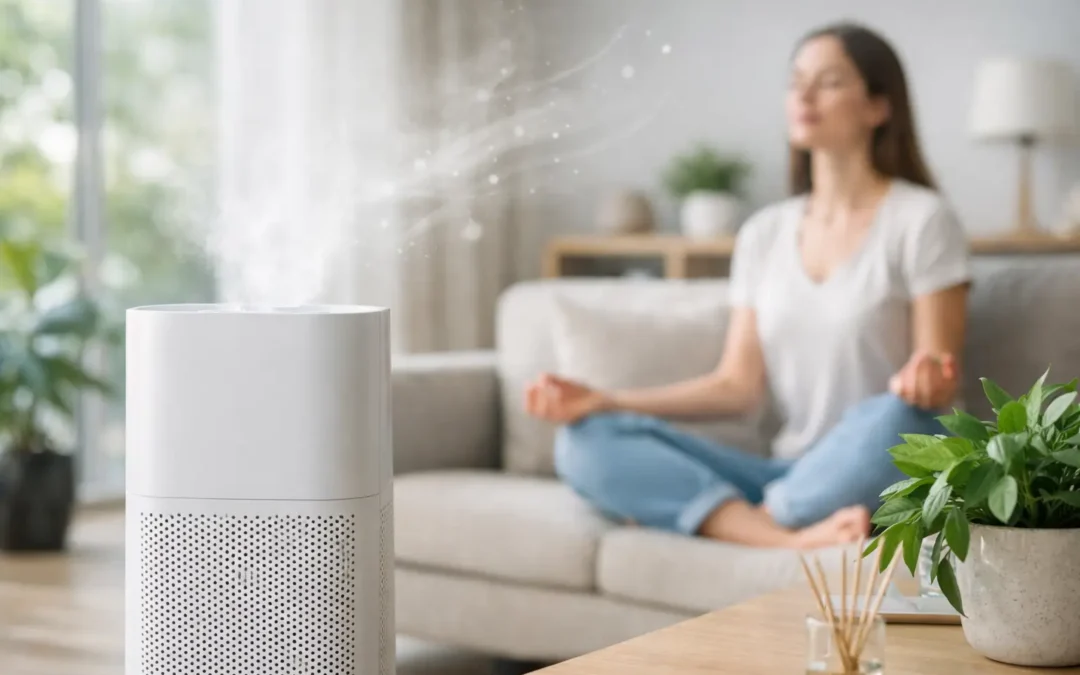
Portable air purifiers can absolutely help, but they are best used for targeted support rather than as a complete solution. They tend to work well in bedrooms, nurseries, home offices, or other spaces where someone spends a lot of time and wants extra particle removal.
The limitation is coverage. A single unit in one room will not fix a whole-house humidity problem, dirty ductwork, or an underperforming AC system. That is why homeowners sometimes buy multiple devices and still feel disappointed.
Whole-home indoor air quality products can be more effective when matched to the actual issue. Depending on the home, that might include upgraded media filtration, UV lights in certain HVAC applications, or dedicated humidity control. The right approach depends on what is in the air and why it is there.
Signs your home may need professional attention
Some air quality issues are obvious, while others develop slowly enough that they become normal. A few warning signs should not be brushed aside.
If you notice ongoing musty odors, visible mold near vents, excessive dust buildup, uneven humidity, frequent allergy-like symptoms indoors, or AC performance that seems off, it is worth having the system evaluated. These symptoms do not always point to a major repair, but they do suggest the home is not managing air and moisture as well as it should.
This is especially true after storm season, water intrusion, or extended power outages. In areas like Fort Myers, Cape Coral, and North Fort Myers, homes can go through periods of high moisture exposure that affect both HVAC performance and indoor air quality long after the initial event.
Small habits that support cleaner air
A good guide to improving indoor air quality should include practical habits, because system upgrades work better when daily routines support them. Replacing filters on schedule, keeping return vents clear, and running the bathroom exhaust fan during and after showers all help reduce moisture and particle buildup.
It also helps to avoid shutting interior doors for long periods if it disrupts airflow, especially in rooms with limited return air pathways. Keep an eye on areas that tend to trap moisture, such as laundry rooms, closets on exterior walls, and spaces around air handlers. Even small signs of dampness are worth addressing early.
Cleaning still matters, but technique matters too. Dry dusting can stir particles back into the air. A damp microfiber cloth and a vacuum with proper filtration usually do a better job. If you have recently completed renovations, changing the HVAC filter more frequently for a short period can help catch construction dust before it spreads through the system.
Better indoor air starts with the right diagnosis
The reason indoor air quality can feel frustrating is that different problems produce similar symptoms. Dust, odors, allergies, and humidity issues often overlap. A homeowner may assume the answer is a stronger filter when the real issue is a duct leak, poor drainage, or an AC unit that is not removing enough moisture.
That is why the best results usually come from identifying the source first instead of buying products one by one and hoping something sticks. For homeowners who want cleaner air, lower humidity, and a system that supports both comfort and health, a professional HVAC evaluation can bring clarity fast.
At its best, indoor air should not be something you notice at all. Your home should feel clean, dry, and comfortable the moment you walk in, even in the middle of a Florida summer.