
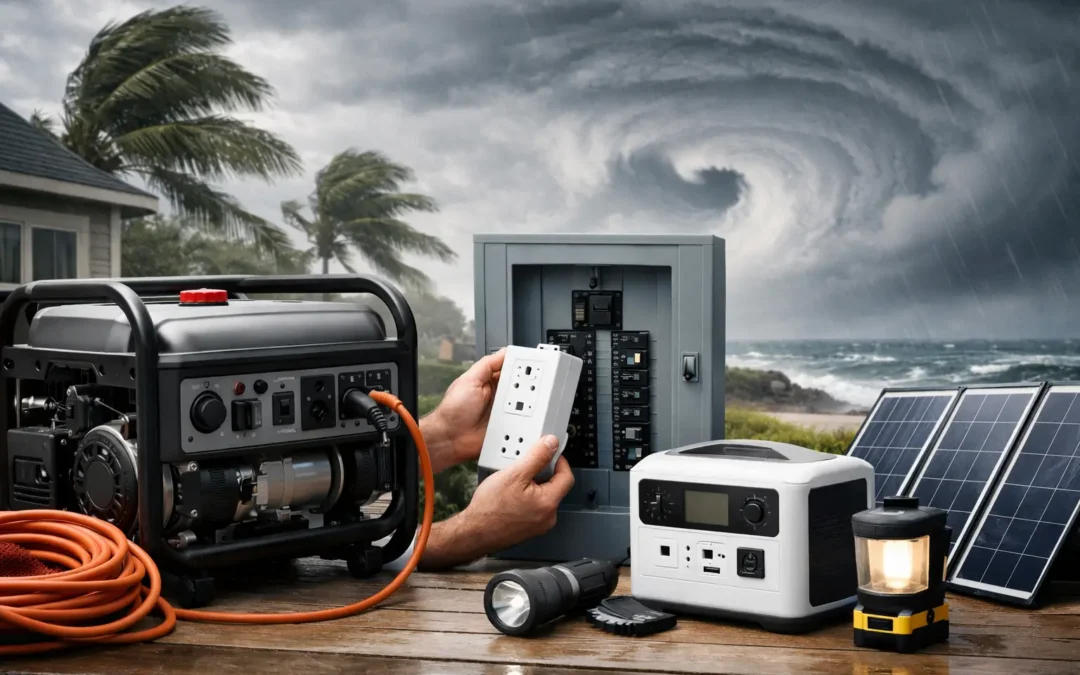
A Florida storm does not have to make a direct hit to create an electrical problem. Nearby lightning, wind-driven rain, utility interruptions, and restoration surges can all affect a home. That is why hurricane season electrical prep trends are shifting away from last-minute flashlights and toward permanent upgrades that protect the electrical system before the forecast turns serious.
For homeowners in Southwest Florida, the most useful preparations are not always the most visible. A generator is valuable, but so are a properly sized electrical panel, whole-home surge protection, secure outdoor equipment, and an air conditioning plan that accounts for heat after an outage. The right approach depends on your home, your budget, and which systems you need to keep running when power is unavailable.
Hurricane Season Electrical Prep Trends Homeowners Are Choosing
The biggest trend is layered protection. Rather than relying on one device or one emergency purchase, homeowners are looking at how their panel, generator, HVAC equipment, outlets, and major appliances work together during severe weather.
This is a practical response to what storms actually do. Power may flicker repeatedly before it goes out. It may return with a surge. A home may be without electricity for a few hours, or for several days in the aftermath of a stronger storm. Electrical preparation works best when it addresses each stage, not just the outage itself.
Whole-home surge protection is becoming a baseline upgrade
Many people associate surge protectors with power strips under a desk. Those strips can help protect certain electronics, but they are not designed to manage every surge entering the home through the electrical system. Whole-home surge protection is installed at or near the electrical panel and provides a first line of defense for equipment throughout the house.
This matters during hurricane season because utility disruptions and lightning can create voltage events that damage circuit boards and electronics. Modern homes have more sensitive equipment than ever: smart thermostats, variable-speed HVAC systems, refrigerators, televisions, garage door openers, security devices, and connected appliances.
Whole-home protection is not a guarantee that nothing can ever be damaged, especially during a direct lightning event. It is one layer of defense. For expensive electronics, point-of-use surge protection can still make sense as an additional layer.
Generator planning is getting more specific
Homeowners are increasingly asking a better question than, “What size generator do I need?” The more useful question is, “What do I need my home to do during an outage?”
Some households want to power essential circuits only, such as refrigeration, lighting, internet equipment, a few outlets, and a well pump. Others need a whole-home generator that can support central air conditioning, medical equipment, larger appliances, and daily household use. The right system depends on electrical demand, panel capacity, fuel source, local requirements, and how long you expect to operate during an outage.
Portable generators remain a lower-cost option, but they require careful setup, fuel storage, and manual operation. They must always run outdoors, far from doors, windows, and vents, because carbon monoxide is a serious hazard. Connecting a portable generator to a home without an approved transfer switch or interlock can backfeed electricity into utility lines and create a dangerous situation for utility workers and neighbors.
A permanently installed standby generator costs more upfront, but it can start automatically when the power fails. For homeowners who travel during hurricane season, have health-related power needs, or want dependable cooling and refrigeration, that added convenience may justify the investment.
Panel upgrades are part of storm readiness
A generator or surge protector can only perform as intended when the electrical panel and service equipment are in suitable condition. Older panels, crowded breaker spaces, corrosion, heat damage, or outdated components can limit upgrade options and raise safety concerns.
In coastal and humid areas, electrical equipment can be exposed to moisture and salt air over time. Homeowners sometimes discover panel concerns only after an electrician evaluates the home for generator installation. Addressing those issues before storm season is usually less stressful than trying to schedule repairs when severe weather is already approaching.
A panel upgrade is not necessary for every home. A licensed electrician should evaluate available capacity, the condition of existing equipment, and the demands of the proposed generator, HVAC system, or other additions. The goal is not to install more equipment than you need. It is to ensure the system is safe, code-compliant, and ready to support the improvements that matter to your household.
Electrical and HVAC Preparation Now Go Together
In Southwest Florida, losing air conditioning is not merely an inconvenience. Heat and humidity can quickly make a home uncomfortable, particularly for older adults, young children, pets, and anyone with certain medical conditions. As a result, electrical hurricane preparation increasingly includes HVAC readiness.
Before storm season peaks, have your AC system maintained and check whether the outdoor unit is secure. Clear loose yard items around the condenser, keep drainage areas free of debris, and make sure the disconnect and electrical connections are in good condition. If the system has been short-cycling, tripping breakers, making unusual sounds, or struggling to cool the home, address it before a storm puts additional strain on the system.
After an outage, avoid assuming the air conditioner should be the first major load switched back on. If you are using a portable generator with limited capacity, starting central AC may overload the generator or prevent other essential loads from operating. With a properly designed standby system, load management can help prioritize critical circuits and prevent the generator from being overwhelmed.
It is also wise to set the thermostat a little cooler than normal before a storm if power loss is likely. This will not keep a home cool indefinitely, but it can slow the indoor temperature rise while the home remains closed.
Outdoor Equipment Needs More Than a Quick Look
Storm preparation should include the exterior portions of your electrical system. Look for loose exterior outlet covers, cracked conduit, damaged service equipment, and branches that may contact overhead service lines. Never attempt to trim trees near electrical lines yourself. That work requires appropriate precautions and, in some cases, coordination with the utility.
Make sure outdoor receptacles have weather-resistant covers and ground-fault circuit interrupter protection where required. If water enters an outlet, junction box, disconnect, or electrical panel, do not use it until a qualified electrician has inspected it. Water damage can create corrosion and hidden faults even after surfaces appear dry.
Homeowners should also know where the main electrical disconnect is located and make sure adults in the household understand how to shut off power if flooding or damage creates an immediate hazard. Do not operate breakers while standing in water or if the panel itself is wet.
A Practical Pre-Storm Electrical Check
The most effective preparation happens before a named storm is headed toward the Gulf. Schedule needed electrical work early, when equipment availability and appointment times are better. Then, as the season progresses, keep the household plan simple and current.
Confirm that generator maintenance is up to date, test approved transfer equipment according to manufacturer guidance, and store generator fuel safely if you use a portable unit. Replace damaged extension cords and use outdoor-rated cords only where appropriate. Keep phones, backup batteries, flashlights, and medical devices charged when a storm watch is issued.
It also helps to take photos of your panel, generator, HVAC equipment, and major appliances before a storm. If damage occurs, those photos can support documentation and help an electrician understand what was in place before the event.
When to Call an Electrician Before Hurricane Season
Do not wait for an outage if breakers trip repeatedly, lights dim when appliances start, outlets feel warm, there is a burning odor, the panel shows rust or damage, or your generator connection is improvised. These are not storm-season inconveniences. They can be signs of an electrical safety issue that needs professional attention.
A licensed electrician can assess generator options, install surge protection, evaluate panel capacity, repair weather-damaged equipment, and help make sure your home’s electrical plan matches your actual needs. At Infinite Electric & Air, that means providing clear recommendations and transparent pricing so homeowners can make decisions with confidence.
Hurricane readiness is built one useful improvement at a time. Taking care of the electrical details now can give your household more options, more comfort, and fewer urgent decisions when the next storm begins to form.