
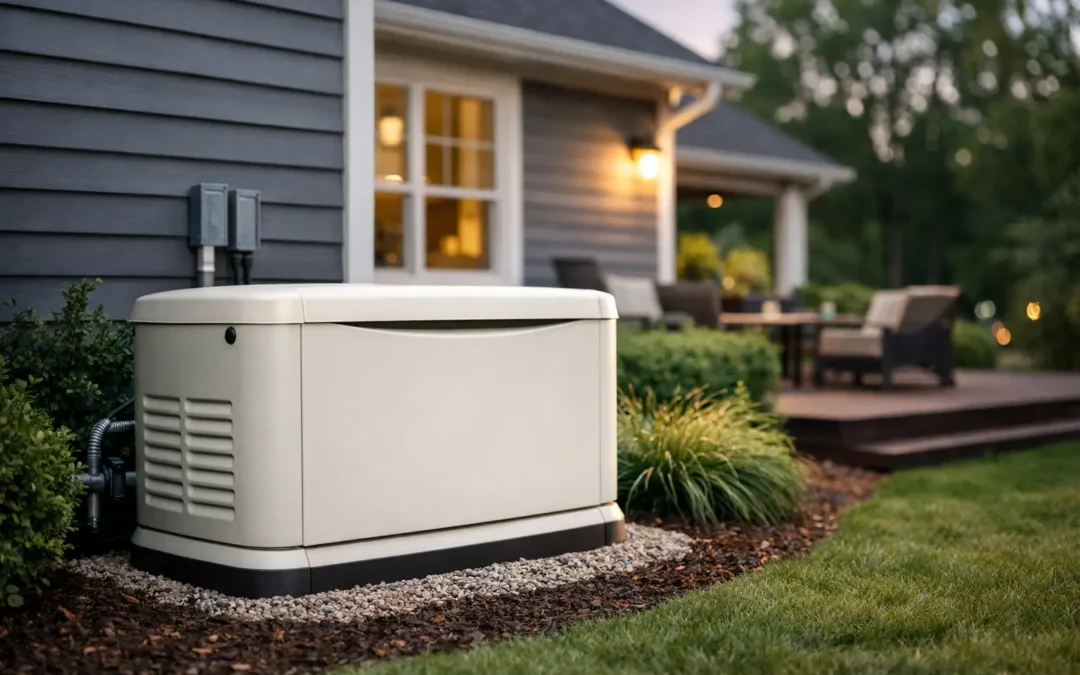
When the power goes out at 7 p.m. in August and the house starts heating up by the minute, a backup generator stops feeling like a luxury. For many families, a Generac whole home generator review for homeowners comes down to one question: when the grid fails, will it keep the essentials running without creating new problems?
That is the right way to evaluate it. A whole home generator is not just a product purchase. It is a long-term electrical system tied to your fuel source, your transfer equipment, your service panel, your maintenance schedule, and your expectations during an outage. If you live in Florida, it also has to perform during storm season, high humidity, and long utility interruptions.
Generac whole home generator review for homeowners
Generac is one of the most recognized standby generator brands in the residential market, and there is a reason for that. The company offers a wide range of air-cooled and liquid-cooled standby units, broad dealer availability, and models sized for everything from partial-home coverage to near full-load operation. For many homeowners, that means easier access to equipment, parts, and service than some lesser-known brands.
In practical terms, Generac units do what most homeowners want them to do. They monitor utility power, start automatically when an outage is detected, and transfer the home over to generator power through an automatic transfer switch. When utility service returns, they switch back and shut down. That automatic operation is the real selling point. You do not have to drag out a portable unit, run extension cords, or fuel a machine in the middle of bad weather.
The strong points are fairly consistent. Generac offers solid residential options, good load management technology, and enough model choices to fit different budgets and home sizes. The trade-off is that the brand’s performance depends heavily on proper sizing, correct installation, and regular service. A great generator installed poorly can still be a headache.
What Generac gets right
The biggest advantage is convenience. A standby generator is designed to protect comfort and safety with very little homeowner involvement. If your refrigerator, lights, well pump, medical equipment, internet, security system, and air conditioning matter during an outage, automation matters too.
Generac also does a good job with scalability. Not every homeowner needs to power every circuit in the home at once. Some households only want essentials. Others want enough capacity to keep one central AC unit running along with kitchen appliances and general lighting. Generac has models that support both approaches, and that flexibility helps keep projects realistic.
Another plus is service familiarity. In markets where backup power is common, electricians and generator technicians are often very familiar with Generac systems. That is not a small detail. Equipment is only part of the ownership experience. The ability to get diagnostics, routine maintenance, and repairs from trained professionals matters just as much.
For Southwest Florida homeowners, fuel options are another practical benefit. Many Generac standby units run on natural gas or liquid propane. Natural gas can be convenient if your home already has it available. Propane can work well in areas without gas service, although tank sizing and refill planning become part of the discussion.
Where homeowners should look closer
No honest Generac whole home generator review for homeowners should pretend every installation is the same. The most common mistake is assuming the generator size listed online will automatically fit your house. It will not.
Generator sizing has to account for real electrical loads, startup demands, HVAC requirements, and whether you are backing up the entire home or selected circuits. Air conditioning is often the biggest variable. In Florida, many homeowners want backup power specifically to keep cooling available, but AC equipment adds substantial demand. If the generator is undersized, you may end up managing loads more aggressively than expected.
Noise is another factor. Generac standby units are quieter than portable generators, but they are not silent. During normal weekly exercise cycles and actual outages, you will hear them. Most homeowners find the sound reasonable, especially compared to the benefits, but placement still matters for comfort and code compliance.
Maintenance is not optional. These systems need periodic inspection, oil and filter changes, battery checks, and testing. A standby generator that sits for years without service is less dependable when you need it most. Homeowners sometimes budget for installation and forget ongoing maintenance, which can lead to problems later.
Performance during storms and long outages
This is where standby generators earn their reputation. During brief outages, the value is obvious but simple. During multi-hour or multi-day outages, the difference is much bigger. Food stays cold. The home stays livable. Sump or lift systems, if applicable, can remain operational. Security lighting and communication stay available.
That said, long outage performance depends on fuel and load strategy. A natural gas-fed unit can be especially appealing because you are not storing fuel onsite in the same way you would with gasoline. With propane, runtime depends on tank size and how much load the home is placing on the generator. If you are trying to run multiple large appliances and central air continuously, fuel consumption becomes a bigger issue.
This is why experienced installers often recommend thinking in layers. What must stay on? What would be nice to keep on? What can stay off during an outage? That conversation usually leads to a better result than simply trying to power everything at once.
Cost and value
Generac is not the cheapest backup power option. A portable generator costs less upfront, but it also asks more from the homeowner and powers less of the home. A whole home standby system costs more because it includes the generator, transfer switch, electrical integration, permitting, fuel connection, and installation labor.
For many homeowners, the value comes from reliability and usability. If a backup system is complicated enough that you hesitate to use it, it loses some of its value. A standby unit removes much of that friction. It also protects more than comfort. It can help reduce food loss, support sensitive electronics, maintain safe temperatures, and keep essential medical or home office equipment online.
The real question is not whether the price is low. It is whether the system is sized and installed to deliver the protection your household actually needs.
Installation matters more than the logo
Homeowners often compare brands first, but installation quality usually has a greater effect on satisfaction than the name on the enclosure. A standby generator needs proper site placement, code-compliant electrical connections, correct transfer equipment, ventilation clearance, solid fuel planning, and a load calculation that matches the home.
This is especially true in Florida, where weather exposure, salt air in some areas, and storm preparation all affect long-term performance. A professional installation should also account for access for service, local permitting requirements, and realistic expectations for what the system will carry.
If a contractor skips the load conversation or gives a one-size-fits-all recommendation, that is a warning sign. Good generator planning is specific to the house.
Is a Generac whole home generator right for your home?
For many homeowners, yes. Generac is a strong choice if you want automatic backup power, broad service availability, and a range of residential models. It is especially appealing for households that want protection during storm-related outages and do not want the hassle of setting up a portable unit every time the power drops.
It may be less appealing if your budget is tight, your backup needs are minimal, or you only want to run a few temporary essentials once or twice a year. In those cases, a smaller backup solution may make more sense.
The best fit is usually a homeowner who values convenience, wants dependable operation, and is willing to maintain the system properly. If that sounds like you, Generac is worth serious consideration. If you are not sure what size you need or whether your current electrical setup can support a standby generator, that is the point where a licensed professional should step in. A company like Infinite Electric & Air can evaluate your home’s load needs, panel condition, and installation options so you get a system that works the way you expect when the lights go out.
A generator should give you peace of mind, not one more thing to worry about. The right setup feels boring in the best possible way – the power fails, your home keeps running, and life goes on.