
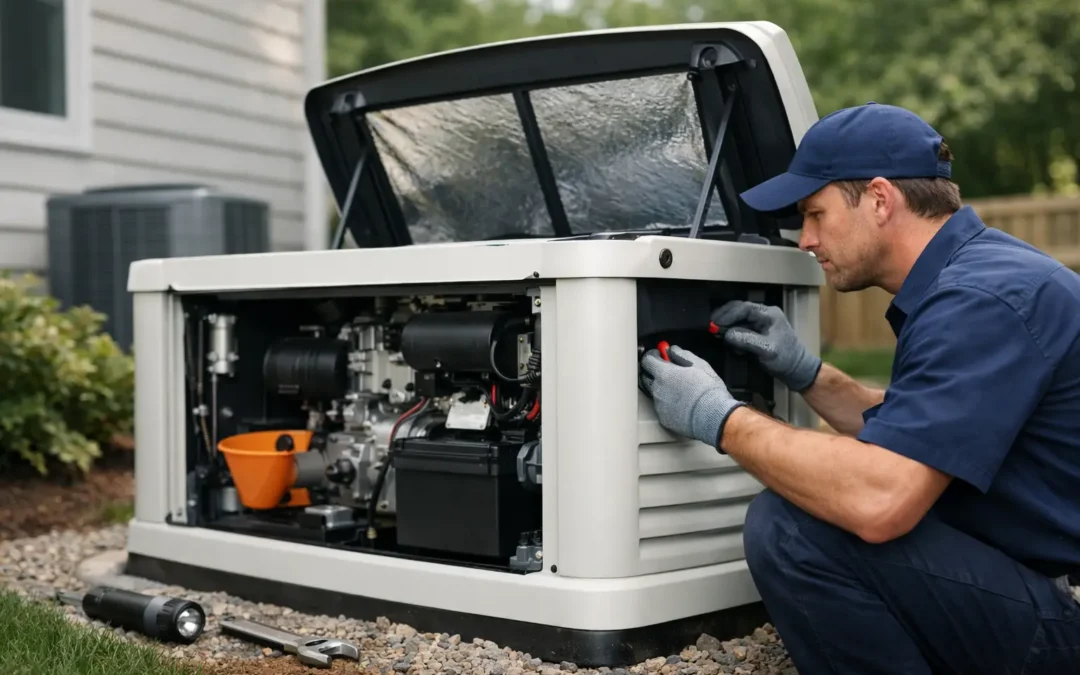
When the power goes out in Southwest Florida, a whole-home generator stops feeling like a nice upgrade and starts feeling like one of the most important systems in the house. A smart whole home generator maintenance schedule homeowners can actually follow helps make sure that system is ready before storm season, summer heat, or an unexpected outage puts it to the test.
The mistake many homeowners make is assuming the generator only needs attention when something goes wrong. In reality, standby generators are like any other hardworking mechanical system. They need regular inspections, fluid checks, battery care, and periodic professional service to stay dependable. If maintenance slips, the generator may still look fine sitting outside, but that does not mean it will start, carry the load correctly, or run safely when your home needs it most.
Why a whole home generator maintenance schedule matters
A standby generator lives in a tough environment. Heat, humidity, salt air, storms, insects, and debris all put stress on electrical and mechanical components. In Florida, that wear can show up faster than many homeowners expect.
A maintenance schedule does more than reduce breakdowns. It helps protect the transfer switch, engine, battery, fuel delivery system, and controls that all have to work together in a real outage. It also gives you a better chance of catching small issues, like a weak battery or dirty air filter, before they turn into a no-start condition during a storm.
There is also a cost side to this. Skipping routine care may save money in the short term, but larger repairs usually cost more than scheduled service. Some manufacturer warranties also depend on proper maintenance, so keeping service on track can protect more than the equipment itself.
Whole home generator maintenance schedule homeowners should follow
The right schedule depends on the brand, fuel type, run hours, and local conditions, but most homeowners do well with a simple rhythm of monthly checks, seasonal preparation, and annual professional service. If your generator runs often or has already powered the house through several long outages, it may need attention sooner.
Monthly homeowner checks
Start with a visual inspection. Look for leaves, mulch, branches, standing water, pest activity, or anything blocking airflow around the unit. The area around the generator should stay clear so it can cool properly and vent exhaust safely.
Check the exterior for rust, dents, loose panels, or signs that rainwater is getting where it should not. If the enclosure looks damaged after a storm, do not ignore it. A small opening can lead to moisture intrusion and corrosion over time.
Most standby generators perform automatic exercise cycles. Make sure that cycle is still scheduled and actually running. If you have noticed missed exercise times, warning lights, or unusual noises, that is a sign to call for service instead of waiting for the next outage.
Battery condition matters more than many people realize. A standby generator depends on the battery to start, and batteries tend to suffer in hot climates. If terminals look corroded or the unit struggles to crank during exercise, service should be scheduled promptly.
Every 3 to 6 months
This is a good window to give the unit a closer review, especially before and after storm season. Check for dirt buildup, insect nests, and signs of oil or coolant leakage. Even minor leaks deserve attention because they usually get worse, not better.
If your system has visible gauges or status indicators, confirm everything looks normal. Homeowners should not take apart the generator or attempt internal repairs, but they can pay attention to early warning signs. A slight change in sound, vibration, or startup behavior can point to a developing problem.
For homes in coastal areas like Cape Coral, Punta Gorda, or Fort Myers, corrosion can move faster because of salt in the air. In those cases, more frequent inspections are often worth it.
Once a year
Annual professional maintenance is the baseline most homeowners should plan for, even if the generator seems to be working fine. This service typically includes a full inspection, battery testing, oil and filter service as needed, air filter review, spark plug checks where applicable, electrical connection inspection, transfer switch evaluation, and operational testing under proper conditions.
A licensed technician can also verify whether software settings, exercise cycles, and load performance are where they should be. That matters because a generator can start successfully and still have hidden issues that affect how it performs once the whole house is relying on it.
After any extended outage
If the generator ran for hours or days, do not just reset and forget it. Extended use creates wear similar to putting a lot of miles on a vehicle in a short time. It may need an oil change, filter replacement, or a more detailed inspection depending on runtime and manufacturer guidance.
This is one of the most common places homeowners fall behind. The generator did its job, the utility power returns, and maintenance gets pushed off. But post-outage service is often when technicians catch problems caused by heavy operation.
What professional generator maintenance usually includes
A proper service visit is more than a quick glance at the enclosure. A trained technician should inspect the engine, battery, wiring, control panel, transfer switch, and fuel system while also checking for wear, corrosion, leaks, and fault history.
Fluids and filters are a big part of the conversation. Oil breaks down over time, even if the generator has not run much, and filters can become dirty from regular exercise cycles and environmental debris. Battery testing is equally important because hot weather can shorten battery life even when the rest of the unit looks fine.
Load-related performance is another area where expertise matters. A generator may start with no issue but struggle when air conditioning, refrigeration, lighting, and other household systems come online. Professional testing helps confirm the system is prepared for real conditions, not just a basic startup.
Signs your schedule needs to be more frequent
Some homes need more than the minimum. If your area experiences frequent outages, if your generator supports large loads, or if your property is exposed to heavy salt air, dust, or storm debris, a once-a-year visit may not be enough.
You should also tighten the schedule if the generator is older, has a history of fault codes, or has recently sat unused for a long period. Equipment that is rarely challenged can still develop problems quietly. In some cases, underuse is almost as hard on the system as heavy use.
Another factor is peace of mind. Homeowners who depend on medical equipment, refrigerated medication, remote work, or a fully functioning HVAC system during summer outages often prefer more frequent inspections. That added service can be well worth it when reliability is non-negotiable.
Common maintenance mistakes homeowners make
One mistake is treating the generator like a sealed box that takes care of itself. Automatic exercise cycles help, but they do not replace inspections or routine service. Another is waiting for hurricane season to think about maintenance. By then, service calendars fill quickly and parts delays can become a problem.
Some homeowners also overlook the transfer switch. The generator and transfer switch work as a system, so both need attention. If one performs poorly, the whole backup power setup can fail.
There is also the temptation to handle advanced maintenance without the right training. Basic visual checks are helpful, but electrical testing, internal repairs, and fuel-system work should be left to qualified professionals. Safety has to come first.
Building a maintenance plan that fits your home
The best schedule is the one you will actually keep. For many homeowners, that means setting a recurring monthly reminder to inspect the unit, booking annual service in advance, and planning an extra visit after any major outage or long runtime event.
If you are not sure what your generator needs, start with the manufacturer recommendations and then adjust for local conditions. In Southwest Florida, the combination of heat, humidity, storm exposure, and seasonal power concerns often justifies a more proactive approach.
A local electrical professional can help you build a practical service plan based on your generator model, fuel source, usage history, and property conditions. That kind of guidance is especially useful if the system is older, newly installed, or supporting critical household loads.
At Infinite Electric & Air, we see firsthand how much homeowners rely on backup power when weather turns quickly. The best time to think about generator maintenance is when the lights are still on, the weather is calm, and there is time to address small issues before they become urgent. Keep the schedule simple, stay consistent, and your generator will be in a much better position to protect your home when the next outage arrives.