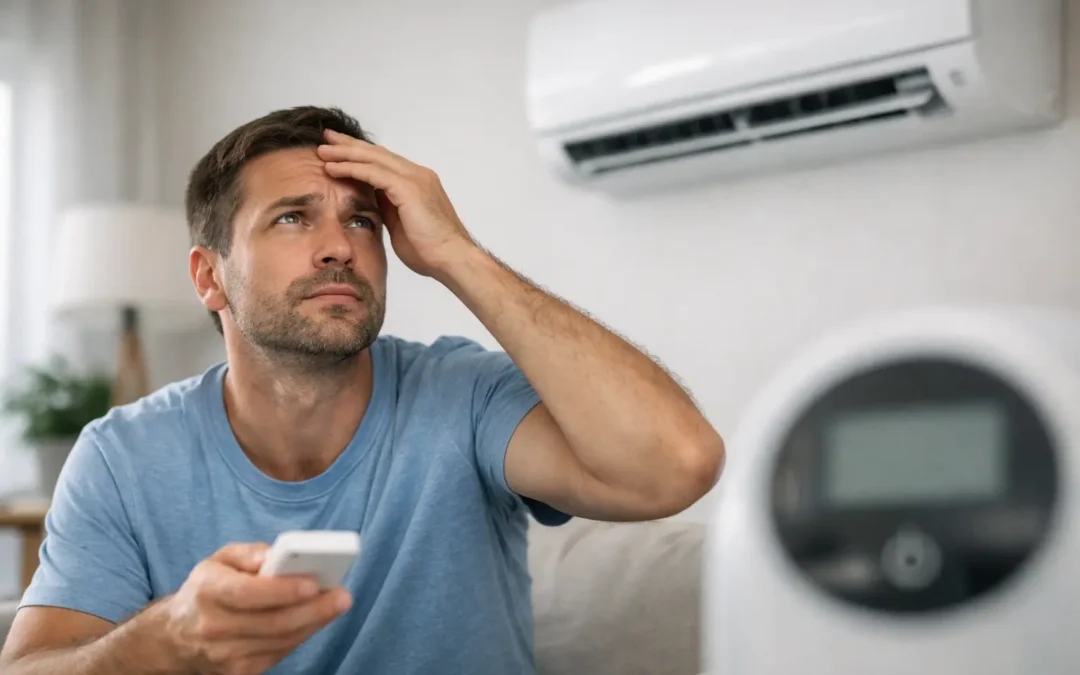
Your house gets cool for a few minutes, then the AC clicks off. A little later, it starts again. When homeowners ask, why does my AC keep shutting off, they are usually dealing with short cycling – a problem that can raise energy bills, strain parts, and leave rooms feeling sticky instead of comfortable.
In Southwest Florida, this issue can show up fast. Long cooling seasons, heavy humidity, salty air, and hard-working systems all put more stress on air conditioners. Sometimes the fix is simple. Sometimes it points to a deeper problem that needs professional attention before it turns into a full breakdown.
Why does my AC keep shutting off after only a few minutes?
If your AC runs briefly and shuts down before your home reaches the thermostat setting, that is not normal operation. Air conditioners are supposed to run in steady cycles, not rapid bursts. Frequent starts and stops wear down motors, compressors, capacitors, and contactors. Even if the system still cools a little, it is working harder than it should.
The tricky part is that several different problems can cause the same symptom. That is why guessing can get expensive. Replacing a thermostat will not help if the real issue is low refrigerant, and adding refrigerant will not solve an airflow problem caused by a clogged filter.
The most common reasons an AC keeps shutting off
A dirty air filter is restricting airflow
This is the first thing to check because it is common, easy to overlook, and capable of causing bigger issues. When the filter is packed with dust, pet hair, or debris, your system cannot move enough air across the evaporator coil. That can lead to overheating or coil freezing, both of which can interrupt normal cycles.
In Florida homes, filters can load up quickly, especially during peak cooling months or when the fan runs often. If the filter looks dirty, replace it with the correct size and type recommended for your system. A filter that is too restrictive can also create airflow problems, so more expensive is not always better.
Your thermostat may be misreading the temperature
Sometimes the AC is not the real problem. The thermostat may be shutting the system off too early because it thinks the house is cooler than it really is. This can happen when the thermostat is located near a supply vent, in direct sunlight, or on a warm exterior wall.
Low batteries, loose wiring, or an aging thermostat can also cause erratic behavior. If the display is blank, inaccurate, or inconsistent, that is a clue. Programmable and smart thermostats are helpful, but they still need proper placement and setup.
The evaporator coil could be freezing up
A frozen evaporator coil often starts with poor airflow or low refrigerant. When the coil gets too cold, ice forms and blocks the heat transfer process. The system may shut off, struggle to cool, or run in short cycles while the ice builds and melts.
Homeowners sometimes notice weak airflow from vents, warm air instead of cool air, or water around the indoor unit once the ice begins to thaw. If you suspect a frozen coil, turn the system off and let it thaw. Running it continuously can make the problem worse. The root cause still needs to be addressed.
Low refrigerant can trigger short cycling
Refrigerant does not get used up like fuel. If levels are low, there is usually a leak. Low refrigerant can change system pressures, reduce cooling performance, and put stress on the compressor. In some cases, the unit may shut down early to protect itself or cycle irregularly as it struggles to operate.
This is not a DIY repair. Refrigerant issues require licensed HVAC service, proper leak detection, and charging to manufacturer specifications. Simply topping it off without fixing the leak is usually a temporary and costly bandage.
The condenser unit may be overheating
Your outdoor unit needs to release heat efficiently. If the condenser coil is coated with dirt, grass clippings, or salt residue, or if airflow around the unit is blocked by plants or debris, heat cannot escape the way it should. The system can overheat and shut off.
This matters even more in hot, humid weather, when the AC is already working hard. In coastal and inland Southwest Florida communities, outdoor equipment takes a beating from heat, storms, and airborne debris. A unit that cannot breathe will often protect itself by cycling off.
Electrical issues can interrupt the cooling cycle
Air conditioners rely on several electrical components to start and stay running. A failing capacitor, worn contactor, loose connection, damaged wire, or control board problem can cause the unit to shut off unexpectedly.
This is where the issue moves from inconvenient to potentially unsafe. Electrical faults can damage other components and should be diagnosed carefully. If you hear clicking, buzzing, or notice breakers tripping, it is best to stop troubleshooting beyond basic checks and schedule service.
The system may be oversized for the home
Bigger is not always better with air conditioning. An oversized AC can cool the house too quickly and shut off before it removes enough humidity from the air. That leaves the home feeling clammy, even if the temperature looks right on the thermostat.
Short cycling caused by oversizing is especially frustrating because the system may have been doing it since installation. In humid climates, proper sizing matters for comfort just as much as raw cooling power. Fixing this can range from airflow adjustments to recommending system changes, depending on the setup.
What you can check safely before calling for service
There are a few homeowner-safe checks that make sense before you schedule a repair. Start with the thermostat. Make sure it is set to cool and the temperature setting is below the current room temperature. Replace the batteries if needed.
Next, check the air filter. If it is dirty, replace it. Then look at the outdoor unit. Remove leaves, grass, or obvious debris around it, and make sure there is space for airflow. If a breaker has tripped once, you can reset it one time. If it trips again, stop there and call a professional.
If you see ice on the refrigerant line or indoor coil, shut the system off and let it thaw. You can run the fan only setting to help. Do not chip at the ice or keep forcing the AC to run.
These checks can solve minor issues or at least give useful information. They should not involve opening panels, handling electrical parts, or trying to recharge refrigerant.
When shutting off is a sign you need professional HVAC repair
If your AC keeps shutting off repeatedly, struggles to keep the set temperature, blows warm air, leaks water, or trips the breaker, it is time for a proper diagnosis. The longer short cycling continues, the more stress it puts on expensive components, especially the compressor.
A professional inspection can determine whether the problem is airflow, thermostat operation, coil condition, refrigerant pressure, electrical failure, or equipment sizing. That matters because the right repair depends on the real cause, not just the symptom.
For homeowners in places like Fort Myers, Cape Coral, and North Fort Myers, fast service matters. A system that is cycling on and off in mild weather may stop completely during a hotter stretch, and that is the worst time to be waiting on repairs.
How to help prevent short cycling in the future
Most short cycling problems do not appear out of nowhere. They build from neglected maintenance, dirty components, airflow restrictions, or aging electrical parts. Routine service gives a technician a chance to catch those problems early.
Changing filters on schedule, keeping supply and return vents open, trimming vegetation around the outdoor unit, and scheduling professional maintenance before peak season all help. So does paying attention to small warning signs. If the AC starts sounding different, running shorter cycles, or leaving humidity behind, that is worth checking before it becomes a bigger repair.
At Infinite Electric & Air, we often see issues that homeowners have been managing for weeks because the unit still runs sometimes. Unfortunately, sometimes is exactly how a failing system behaves right before it quits.
A good air conditioner should cool your home steadily, control humidity, and shut off because it reached the right temperature – not because something is wrong. If your system keeps cutting out, the smartest move is to treat it as an early warning and deal with it before the next hot afternoon makes the decision for you.