
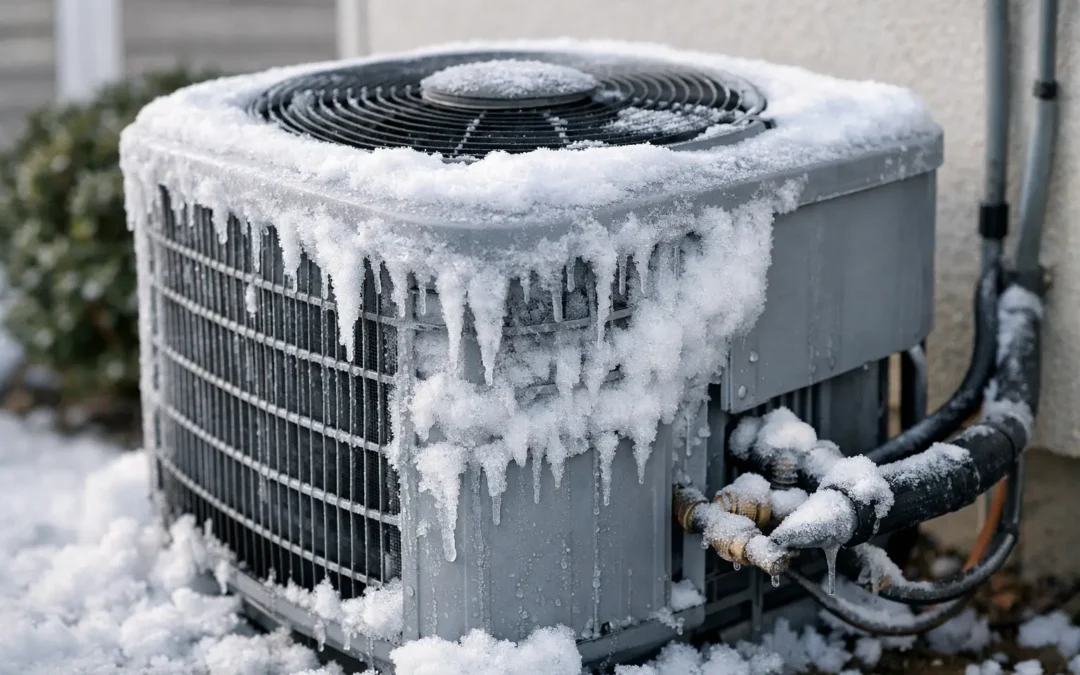
You set your thermostat for relief, but instead of cool air, your system starts struggling and ice shows up on the indoor unit or refrigerant line. If you are wondering what causes AC to freeze up, the short answer is this: your air conditioner is not getting the airflow or heat transfer it needs to operate normally.
That might sound backward in Southwest Florida, where AC systems work through long, hot, humid seasons. But freezing is a common cooling problem, especially when a unit is overdue for maintenance or trying to run with another issue in the system. The ice itself is not the root problem. It is a symptom that something else is wrong.
What causes AC to freeze up in the first place?
Your air conditioner cools your home by absorbing heat from indoor air. For that process to work, warm air has to move across the evaporator coil, and refrigerant has to circulate at the right pressure. When airflow drops too low or refrigerant conditions are off, the coil temperature can fall below freezing. Moisture in the air then turns to ice on the coil.
Once ice starts forming, the problem usually gets worse fast. Ice blocks airflow even more, which makes the coil colder, which creates more ice. That is why a small issue like a dirty filter can sometimes turn into a system shutdown.
Low airflow is one of the most common causes
When homeowners ask what causes AC to freeze up, poor airflow is often the first thing to check. Your system needs a steady stream of return air to keep the evaporator coil from getting too cold.
A clogged air filter is the simplest example. If the filter is packed with dust, pet hair, or construction debris, it restricts the amount of air moving through the system. In many homes, replacing the filter solves the immediate issue, though the unit may still need time to thaw before it runs normally again.
Dirty evaporator coils can create the same kind of restriction. Even if the blower is operating, a coil coated with dust and buildup cannot absorb heat efficiently. Over time, this can pull temperatures down enough for ice to form.
Closed or blocked supply and return vents also matter more than many people realize. It is common for homeowners to shut vents in unused rooms, thinking it will save energy. In reality, that can throw off airflow balance and put stress on the system. Furniture pushed against returns or heavy dust inside ductwork can add to the same problem.
Then there is the blower itself. If the blower motor is failing, the fan wheel is dirty, or the speed settings are off, your AC may not move enough air across the coil. This is not always obvious from the thermostat. The system may still turn on, but not perform as it should.
Refrigerant problems can also freeze the coil
Airflow is common, but it is not the only answer to what causes AC to freeze up. Refrigerant issues are another major category.
Low refrigerant, often caused by a leak, can reduce system pressure enough to make the evaporator coil too cold. That lower pressure changes how the refrigerant absorbs heat, and the coil can dip below freezing. Homeowners sometimes assume refrigerant just needs to be topped off, but refrigerant does not get used up like fuel. If levels are low, there is usually a leak that needs to be found and repaired.
Too much refrigerant can also create performance problems, though this is less common in residential systems unless the unit was improperly serviced. In either case, refrigerant work should be handled by a licensed HVAC technician. Trying to guess at charge levels without the right tools can damage the system and lead to higher repair costs.
Thermostat and temperature habits can play a role
Sometimes the issue is not a broken part. It is how the system is being run.
If the thermostat is set very low for long periods, especially overnight, the system may run almost continuously. In hot Florida weather, that sounds normal, but if airflow is already weak or refrigerant is marginal, long runtimes can push the coil into freezing conditions.
This can be more noticeable during cooler evenings or shoulder seasons, when outdoor temperatures drop but the AC still runs. An air conditioner is designed for certain operating conditions. When those conditions change, existing weaknesses in the system become easier to spot.
A faulty thermostat can also contribute by causing the system to run longer than necessary or cycle improperly. It is not the first thing most technicians suspect, but it is part of the bigger picture.
Drainage and humidity issues can make things worse
In a humid climate, moisture removal is a big part of AC performance. Your system pulls humidity from the air as it cools, and that moisture drains away through the condensate line.
If the drain line is clogged, water can back up around parts of the system. While that does not always directly cause freezing, it can go hand in hand with poor maintenance and reduced performance. High indoor humidity also means more moisture is available to freeze when the coil gets too cold.
This is one reason regular maintenance matters so much in places like Cape Coral and Fort Myers. Air conditioners here are not occasional appliances. They are working systems under heavy demand for much of the year.
Signs your AC is freezing up
Ice on the refrigerant line is the most obvious sign, but it is not the only one. In fact, many homeowners notice comfort problems before they ever see ice.
You may feel weak airflow from the vents, notice that the house is getting warmer even though the system is running, or hear the unit operating longer than usual without catching up. Some rooms may feel sticky or humid. In more advanced cases, the AC may stop cooling almost entirely.
If you open the indoor air handler and see frost or ice on the evaporator coil, that confirms the issue. But be careful. Continuing to run a frozen system can strain the compressor, which is one of the most expensive AC components to replace.
What to do if your AC freezes up
Start by turning the cooling mode off. If your thermostat has a fan-only setting, switch the fan to On so air can circulate and help thaw the ice. Depending on how much ice has formed, thawing can take several hours.
Check the air filter and replace it if it is dirty. Make sure supply and return vents are open and unobstructed. If you are comfortable doing so, inspect around the indoor unit for visible dirt, blocked airflow, or water around the drain area.
After the system thaws completely, you can try running it again. If it freezes a second time, the problem is likely beyond a simple filter issue. At that point, professional service is the safest move.
One important note: do not chip at the ice or use sharp tools to speed up thawing. Evaporator coils and refrigerant lines can be damaged easily.
When freezing points to a bigger repair
An occasional airflow issue can be minor. Repeated freezing is not. If your AC keeps icing over, there is usually an underlying condition that needs diagnosis.
That could mean a refrigerant leak, a failing blower motor, damaged ductwork, a dirty coil deep inside the air handler, or a metering issue affecting refrigerant flow. Some of these problems develop gradually, so the unit may cool well enough for a while before the freezing becomes obvious.
This is where experience matters. A proper diagnosis is not just about melting the ice and getting the system restarted. It is about identifying why the coil temperature dropped in the first place and correcting it before another freeze-up causes more damage.
For homeowners in Southwest Florida, that matters for comfort, but also for reliability. Losing cooling during a stretch of extreme heat is not just inconvenient. It can quickly become a health and safety concern, especially for households with young children, older adults, or pets.
How to reduce the chances of future freeze-ups
The best prevention is consistent maintenance. Replace filters on schedule, keep vents open, and have the system inspected before heavy cooling season if possible. Professional maintenance helps catch early airflow, coil, and refrigerant problems before they turn into a frozen unit.
It also helps to pay attention to subtle changes. If airflow feels weaker than usual, rooms start cooling unevenly, or your energy bills rise without a clear reason, your AC may already be struggling. Taking action early is almost always less expensive than waiting for a full breakdown.
At Infinite Electric & Air, we see this issue often in residential systems that are working hard through Florida heat and humidity. The good news is that most freeze-ups start with causes that can be identified and corrected.
If your AC is icing over, think of it as your system asking for help before a bigger failure happens. A little attention now can save you from a much hotter problem later.