
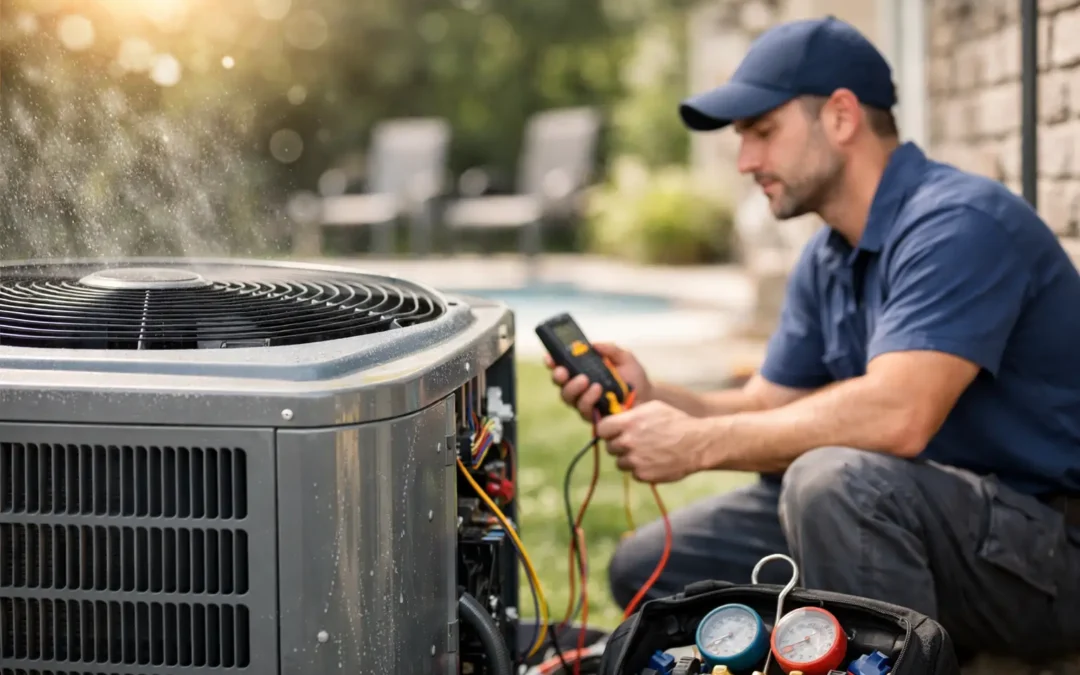
When your air conditioner kicks on, runs for a minute or two, shuts off, and then starts right back up, it is not just annoying. It is a warning sign. If you need to troubleshoot AC short cycling in summer, the goal is not simply to stop the noise or the constant starts. The real priority is protecting your comfort, your electric bill, and the life of your system during the hottest stretch of the year.
In Southwest Florida, short cycling can turn into a bigger problem fast. Your AC already works hard through long cooling seasons, high humidity, and extreme heat. When it starts turning on and off too often, wear and tear builds quickly, and indoor temperatures can become uneven even if the system seems to be running all day.
What short cycling actually means
Short cycling happens when your AC system shuts off before it completes a normal cooling cycle, then restarts again shortly after. A healthy cycle length can vary based on your home, outdoor temperature, and equipment size, but in general, your system should not be firing up every few minutes.
Sometimes homeowners first notice the sound of the condenser outside clicking on and off. Others notice rooms feeling sticky, warm spots around the house, or an unusually high utility bill. In many cases, the thermostat setting has not changed at all. The system just cannot settle into a steady rhythm.
That matters because air conditioners are designed to cool gradually. Frequent starts are harder on motors, capacitors, and compressors than longer, stable run times. So while short cycling may look like the AC is working overtime, it is often cooling less effectively while stressing the system more.
Troubleshoot AC short cycling in summer: start with the simple checks
Some causes are minor and safe for homeowners to check. Others involve electrical components, refrigerant pressure, or compressor protection controls and should be handled by a licensed HVAC technician.
Start with the thermostat. If the thermostat is installed near a supply vent, in direct sunlight, or close to a window or heat-producing appliance, it may read the room temperature incorrectly. That can cause the system to shut off too soon and restart again as the house still feels warm elsewhere. Check that the thermostat is set to cool and auto, not on, and replace the batteries if your model uses them.
Next, inspect the air filter. A clogged filter restricts airflow, which can cause the evaporator coil to get too cold and sometimes freeze. When that happens, the system may shut down abnormally or struggle to complete a cycle. If the filter looks dusty or packed with debris, replace it with the correct size and rating for your system. In Florida homes with pets, renovations, or heavy summer use, filters may need attention more often than many homeowners expect.
Then look at the supply and return vents. Closed or blocked vents can throw off airflow and pressure balance. Furniture, rugs, or drapes covering vents can contribute to performance problems, especially in smaller homes where every return path matters.
Finally, take a look at the outdoor condenser. If leaves, grass clippings, or debris are crowding the unit, heat cannot escape as efficiently as it should. Gently clear vegetation around the system and make sure the unit has breathing room. Do not open the cabinet or attempt electrical repairs yourself.
Common reasons an AC short cycles in hot weather
Summer places extra strain on cooling equipment, but heat alone does not usually cause short cycling. More often, high demand exposes an existing issue.
One common cause is an oversized AC system. Bigger is not always better. If the unit is too large for the home, it can cool the space too quickly and shut off before properly removing humidity. That leads to short run times, uneven comfort, and that clammy indoor feeling many Florida homeowners know too well. This is usually not something you can correct with a simple adjustment, but it is important to identify because the symptoms can look like other problems.
Low refrigerant is another possible cause. Refrigerant issues can affect pressure levels and interfere with normal system operation. If your AC is short cycling along with weak cooling, hissing sounds, or ice buildup, refrigerant may be involved. This is not a DIY fix. Refrigerant handling requires proper licensing, and leaks should be found and repaired rather than topped off without diagnosis.
A dirty evaporator coil can also trigger short cycling. When the coil cannot absorb heat properly, the system may overheat, freeze, or shut down in irregular ways. Often this develops gradually. At first the system just seems less efficient. Later, the on-and-off pattern becomes more obvious.
Electrical issues are also worth taking seriously. A failing capacitor, damaged contactor, loose connection, or control board issue can interrupt normal cycling. Because these components carry electrical risk, this is where homeowners should stop troubleshooting and schedule professional service.
When short cycling points to a bigger repair
If you have already replaced the filter, checked the thermostat, opened the vents, and cleared the outdoor unit, but the problem continues, it is time to look deeper. Persistent short cycling is rarely something to ignore through the rest of summer.
The compressor is the biggest concern. It is one of the most expensive parts of the system, and repeated short cycles put it under heavy stress. In some cases, built-in safety controls may be shutting the system down to prevent damage. That may sound reassuring, but it still means the AC needs service.
Drainage problems can also play a role. A clogged condensate drain line or a tripped float switch may shut the system off unexpectedly to prevent water damage. In humid areas like Cape Coral, Fort Myers, and surrounding communities, drain line issues are common enough that they should always be on the checklist when cooling behavior becomes erratic.
There is also the age factor. Older systems tend to develop multiple smaller issues at once. A weak capacitor, dirty coil, aging blower motor, and airflow restriction may not seem dramatic individually, but together they can produce short cycling that gets worse during peak heat.
What not to do while you troubleshoot AC short cycling in summer
It is tempting to keep lowering the thermostat to force longer cooling cycles, but that usually does not solve anything. In fact, it can increase strain and make comfort worse if the underlying problem is airflow, refrigerant, or controls.
Avoid repeatedly turning the system off and on at the breaker. That can create additional electrical stress and may complicate diagnosis later. It is also not a good idea to keep running a system that is visibly icing up or making sharp clicking or buzzing sounds.
Homeowners should also be careful with internet quick fixes. Cleaning around the outdoor unit and changing a filter are reasonable. Opening electrical panels, handling refrigerant components, or bypassing safety switches is not. Safety matters, and so does protecting equipment that may still be repairable.
When to call an HVAC professional
Call for service if your AC is cycling every few minutes, struggling to cool the house, freezing up, tripping breakers, or causing a sudden jump in your power bill. Those signs usually mean the issue goes beyond basic maintenance.
A professional diagnosis should include more than a quick glance at the thermostat. The technician should evaluate airflow, refrigerant pressures, temperature split, drain function, electrical components, and equipment sizing if needed. Transparent pricing and clear explanations matter here because the right repair depends on the actual cause, not guesswork.
For homeowners in Southwest Florida, local experience helps. Cooling systems here deal with long runtimes, salt air in some areas, heavy humidity, and storm-related power issues that can affect HVAC components. That context makes a difference when diagnosing why a unit is short cycling in the middle of summer.
How to reduce the chance of short cycling later
The best prevention is regular maintenance before the hottest months arrive. Seasonal service can catch dirty coils, weak electrical parts, refrigerant issues, and drainage problems before they turn into midsummer breakdowns. It also helps confirm that the system is operating within normal ranges instead of quietly wearing itself out.
Between tune-ups, keep filters changed on schedule, keep vents open, and keep the area around the outdoor unit clear. If you have had comfort problems since installation, such as rooms cooling too fast but staying humid, ask whether system sizing or thermostat placement could be part of the issue.
If your AC has started stopping and starting all afternoon, do not assume it will sort itself out after sunset. Short cycling is your system asking for attention. Address it early, and you have a much better chance of avoiding a larger repair when you need cool air the most.