
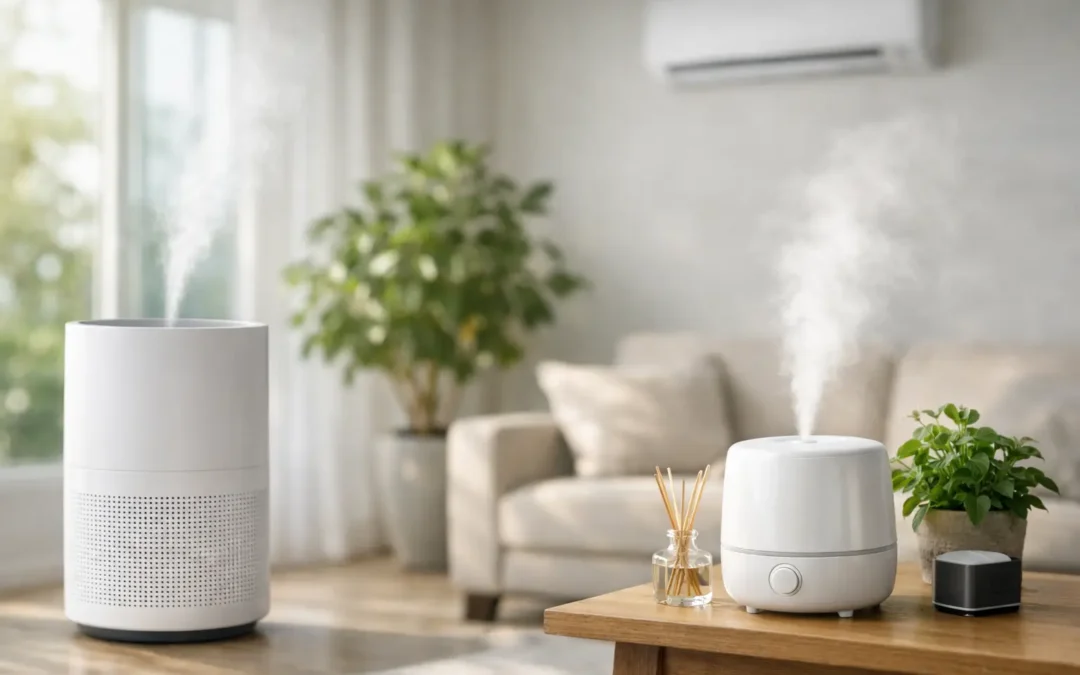
If your home always seems dusty, feels sticky even with the AC running, or leaves you waking up congested, the problem may not be your thermostat. It may be your air. This indoor air quality improvement guide is built for homeowners who want practical ways to make their home healthier, more comfortable, and easier on their HVAC system – especially in Southwest Florida, where heat, humidity, and long AC seasons put indoor air under constant stress.
Poor indoor air quality rarely comes from one dramatic issue. More often, it is a combination of everyday problems: an overdue air filter, too much indoor humidity, leaky ductwork, poor bathroom ventilation, or a system that is moving air but not cleaning it effectively. The good news is that most homes can see meaningful improvement without guessing.
What affects indoor air quality the most?
Indoor air quality is shaped by three big factors: particles, moisture, and ventilation. Particles include dust, pet dander, pollen, and other debris that circulate through the home. Moisture affects whether your space feels clammy and whether mold has a chance to grow. Ventilation determines whether stale indoor air gets diluted with fresher air or simply recirculates.
In Florida homes, humidity deserves extra attention. Even a house that looks clean can have air quality issues if moisture stays too high. That is because damp air supports mold growth, makes the home feel warmer than it is, and can worsen musty odors. On the other hand, aggressively bringing in outdoor air without controlling moisture can create a different problem. Better air is not just about more airflow. It is about balanced airflow.
Indoor air quality improvement guide: start with your HVAC filter
The fastest place to start is the air filter. A dirty or poorly chosen filter can reduce airflow, strain the system, and let more particles continue circulating. If you are using the cheapest filter available, it may protect the equipment from large debris but do little for finer particles. If you use a filter that is too restrictive for your system, airflow can suffer.
For many homes, a mid-range pleated filter changed on schedule is the right balance. The exact rating depends on the equipment, duct design, and whether anyone in the home has allergies or respiratory concerns. That is one of those areas where it depends. Higher filtration is not automatically better if the system cannot handle the added resistance.
Check the filter monthly, even if the package claims a much longer lifespan. In homes with pets, renovation dust, or heavy AC use, filters can load up faster than expected.
How often should you change it?
A common rule is every one to three months, but real conditions matter more than the calendar. If the filter looks gray and packed with dust, it is time. If airflow seems weaker from the vents, that is another clue. Waiting too long does not just affect air quality. It can also affect comfort and energy use.
Control indoor humidity before mold takes hold
For many Florida homeowners, humidity control is the difference between a home that feels fresh and one that feels constantly damp. Ideally, indoor relative humidity should stay in a moderate range, often around 40 to 60 percent. When it climbs too high, you may notice foggy windows, a musty smell, sticky air, or mildew around vents and bathrooms.
Your air conditioner helps remove moisture, but AC alone is not always enough. If the system is oversized, it may cool the house too quickly without running long enough to dehumidify properly. If duct leaks pull humid air into the system, the problem gets harder to manage. In some homes, a dedicated whole-home dehumidifier makes a noticeable difference.
Small habits matter too. Run bathroom exhaust fans during showers and for a while after. Use kitchen ventilation when cooking. Make sure the dryer is venting properly outdoors. If you notice persistent dampness in one room, do not ignore it. Localized moisture often points to a bigger issue, such as poor airflow, insulation gaps, or a hidden leak.
Ventilation matters, but it has to be done correctly
A tightly closed home can trap pollutants indoors. Cleaning products, cooking fumes, pet odors, and even furniture materials can all affect the air you breathe. Ventilation helps remove that buildup, but in a hot and humid climate, opening windows all day is not a reliable strategy.
This is where professional evaluation matters. Good ventilation is controlled ventilation. The goal is to bring in fresh air without overwhelming the home with moisture or making the AC work harder than necessary. Depending on the house, that may mean improving exhaust performance, adjusting return airflow, sealing leaks, or evaluating fresh air options that work with the HVAC system.
Signs your home may have a ventilation problem
If odors linger for hours, some rooms feel stuffier than others, or you see recurring moisture in bathrooms and closets, ventilation may be part of the issue. Homes that have been updated with newer windows and insulation sometimes become more efficient but less forgiving when airflow is poor.
Keep ducts clean, sealed, and properly balanced
Many homeowners focus on the equipment and forget the duct system. But ducts are what carry conditioned air throughout the house. If they are leaking, pulling in dust from unconditioned spaces, or delivering uneven airflow, air quality and comfort both suffer.
Leaky return ducts are especially troublesome because they can draw in attic dust, insulation particles, and humid air. Supply leaks waste conditioned air before it reaches the room. Poor balancing can leave one area too humid while another gets too much airflow.
Duct cleaning has its place, but it is not always the first fix. If dust buildup is caused by duct leaks, cleaning without sealing only treats the symptom. A better approach is to inspect the system as a whole. That means checking for leakage, airflow restrictions, and signs of contamination rather than assuming every air quality issue needs the same solution.
Watch the sources inside the home
Not all air quality problems start with the HVAC system. Sometimes the biggest contributors are inside your daily routines. Candles, air fresheners, harsh cleaners, smoking, and cooking without ventilation can all add particles or chemical compounds to indoor air. So can stored paint, solvents, and other materials kept in garages or utility areas connected to the home.
That does not mean you need to live in a sterile house. It means source control is often one of the simplest improvements. Use low-odor cleaning products when possible. Store chemicals carefully. Vacuum with a good filter. If you have pets, regular grooming and more frequent filter checks can help a lot.
For families with asthma or allergy concerns, bedroom air quality often deserves extra focus. Cleaner bedding, lower humidity, and better filtration in sleeping areas can make nights more comfortable even before larger upgrades are made.
When add-on air quality products make sense
There are plenty of indoor air quality products on the market, from portable purifiers to UV lights and whole-home purification systems. Some are helpful. Some are oversold. The right choice depends on the problem you are trying to solve.
Portable air purifiers can work well in individual rooms, especially bedrooms or home offices. They are often a good fit if you want targeted improvement without changing the whole HVAC setup. Whole-home options can make more sense if the issue affects the entire house and you want treatment integrated into the central system.
UV technology may help in certain HVAC applications, particularly where microbial growth is a concern near damp components. But it does not replace filtration, humidity control, or proper maintenance. If someone promises a single device will solve every air quality issue, that is a reason to ask more questions.
Maintenance is what keeps improvements working
One of the most overlooked parts of any indoor air quality improvement guide is consistency. Even the right equipment will underperform if it is not maintained. Coils get dirty. Drain lines clog. Filters get skipped. Blower components collect dust. Over time, those issues affect both system efficiency and the quality of the air moving through the house.
Routine HVAC maintenance helps catch those problems early. It also gives technicians a chance to spot warning signs such as excess moisture, mold risk around components, poor airflow, or unusual system cycling. For homeowners in Cape Coral, Fort Myers, and nearby communities, where the AC carries a heavy load for much of the year, that kind of preventive attention is not a luxury. It is part of protecting the home.
If you are not sure where to begin, start with the basics: inspect the filter, pay attention to humidity, use exhaust fans, and have the system checked if comfort and air freshness still seem off. Better indoor air usually comes from several smart corrections working together, not one dramatic fix. A healthier home often starts with noticing what your house has been trying to tell you.