
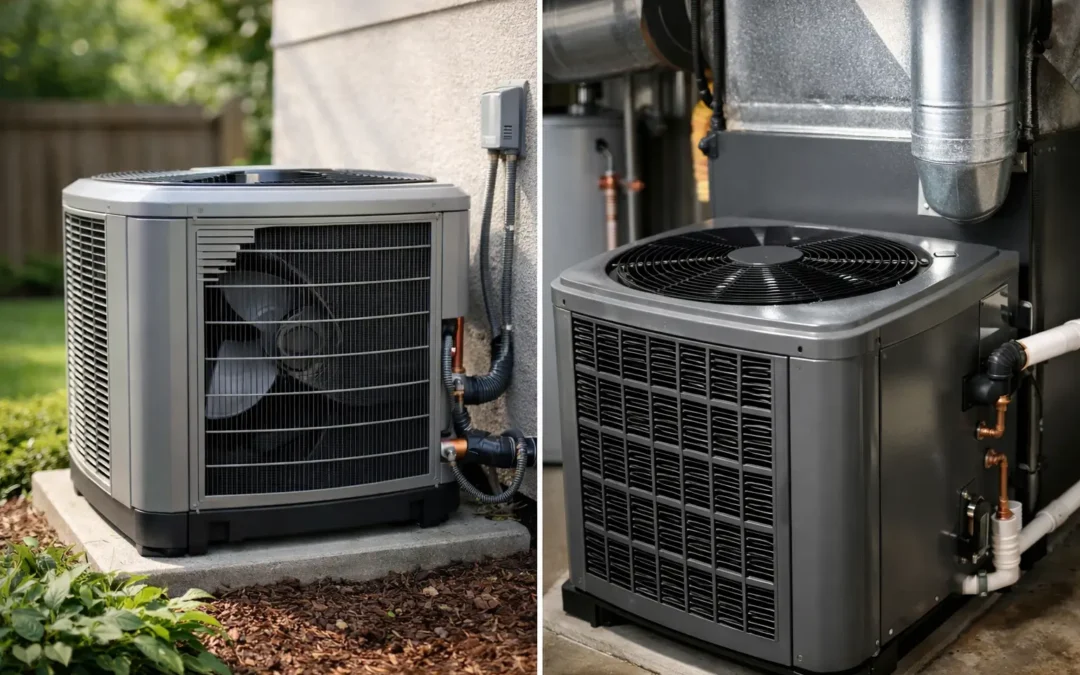
When a Florida AC system starts struggling in July, most homeowners are not shopping for theory. They want to know what will cool the house well, keep power bills under control, and hold up in real heat. That is exactly where the heat pump vs central air conditioner decision matters. While the two systems look similar from the outside, they do not operate the same way, and the right choice depends on how you use your home year-round.
For Southwest Florida homeowners, this is not just a technical comparison. It is a comfort, efficiency, and long-term cost decision. If you are replacing an older system, building an addition, or trying to avoid another season of uneven cooling and high utility bills, it helps to understand where each option makes sense.
Heat pump vs central air conditioner: the basic difference
A central air conditioner cools your home and only cools your home. It removes heat from indoor air and sends it outside, working with your ductwork, thermostat, air handler, and outdoor condenser to keep rooms comfortable.
A heat pump also cools your home, but it can reverse its operation and provide heat when temperatures drop. In cooling mode, it works much like a central AC. In heating mode, it pulls heat from outdoor air and moves it indoors.
That difference is the heart of the choice. If you already have a separate furnace or another reliable heating source, central AC may fit your setup just fine. If you want one electric system that handles both cooling and heating, a heat pump is often the more flexible option.
Why heat pumps make sense in Florida
In colder parts of the country, homeowners sometimes worry that a heat pump will struggle in winter. That concern is far less relevant in Southwest Florida. Our winters are mild compared to northern climates, which means a heat pump can usually provide plenty of heat without the extreme cold-weather limitations seen elsewhere.
That climate advantage matters. A heat pump is especially appealing in areas like Fort Myers, Cape Coral, and North Fort Myers because it gives homeowners efficient cooling during the long hot season and practical heating during those cooler mornings and occasional winter fronts.
For many local homes, that means a heat pump can cover both needs with one system, without the added complexity of a separate gas furnace. Since many Florida homes are already all-electric, a heat pump often fits naturally into the home’s design and utility setup.
Where a central air conditioner still has an edge
A central air conditioner is still a strong option, especially if your home already has a heating system that works well. If you have electric heat strips, a furnace, or another setup you are comfortable with, replacing only the cooling side with a central AC may be the more straightforward move.
There is also a simplicity factor. Because central AC is built specifically for cooling, some homeowners prefer keeping heating and cooling functions separate. In certain cases, that can make system planning easier, especially if one part of the home equipment has already been updated recently.
Initial equipment costs can also vary. Depending on brand, efficiency rating, and installation requirements, a central air conditioner may come in at a lower upfront price than a comparable heat pump system. That does not automatically make it the better value, but it can matter if you are balancing immediate budget concerns with long-term operating costs.
Cooling performance in a Florida home
For pure cooling, both systems can perform very well when sized and installed correctly. That last part matters more than many homeowners realize. A high-end unit with poor ductwork, airflow issues, or improper sizing can still leave you with hot spots, humidity problems, and unnecessary wear.
In everyday summer operation, a heat pump and a central air conditioner are more alike than different. Both can deliver strong cooling. Both can be paired with high-efficiency indoor equipment. Both can support better humidity control when the system is designed properly.
So if you are asking which one cools better, the honest answer is usually neither by default. Installation quality, system sizing, duct condition, insulation, and thermostat settings often make the bigger difference.
Energy efficiency and operating costs
This is where the heat pump vs central air conditioner comparison gets more practical. Since a heat pump provides both cooling and heating, it can reduce the cost of winter heating compared to electric resistance heat. Instead of generating heat directly, it transfers heat, which is generally more efficient.
In Florida, where heating demand is limited but still real, that can be a meaningful benefit. You may only use heat for part of the year, but when a few cold stretches hit, a heat pump can often warm the home more efficiently than basic electric heat strips alone.
For cooling season, efficiency depends on the unit’s rating and overall installation. A high-efficiency central AC may outperform an older heat pump, and a high-efficiency heat pump may outperform an older central AC. The label on the equipment matters, but so does the condition of the duct system and the quality of the installation.
Homeowners should also think beyond monthly bills. Efficient operation can reduce strain on components, which may support longer equipment life and fewer repair issues over time.
Repair considerations and maintenance
Neither system is maintenance-free. In Florida’s climate, HVAC equipment deals with long run times, high humidity, salt air in some areas, and seasonal storm exposure. Regular service is one of the best ways to protect performance and catch smaller issues before they become expensive ones.
A heat pump has the added function of reversing between heating and cooling, which means it includes components that support both modes. That does not mean it is unreliable. It simply means the system does more. Like any HVAC equipment, reliability comes down to build quality, proper sizing, professional installation, and ongoing maintenance.
A central air conditioner may seem simpler because it handles only cooling, but it still depends on many of the same major components, including coils, refrigerant lines, capacitors, blower operation, and drainage. In both cases, neglected maintenance can lead to poor airflow, frozen coils, short cycling, and rising energy use.
Which system is better for your home?
The better choice depends on your home, your existing equipment, and your goals.
If you want one electric system for both heating and cooling, a heat pump is often the better fit for a Florida home. It matches our climate well, offers efficient heating for mild winters, and can simplify your overall setup.
If your home already has a dependable heating system and your main concern is replacing the cooling equipment, a central air conditioner may be the more practical path. It can be a smart solution when you do not need to change the entire system approach.
It also depends on how long you plan to stay in the home. If this is a long-term house, paying more upfront for better efficiency may make sense. If you are making a shorter-term replacement decision, the lowest total installed cost may carry more weight.
A few Florida-specific factors to keep in mind
Humidity control should be part of the conversation, not an afterthought. In Southwest Florida, comfort is not just about temperature. A home can read cool on the thermostat and still feel sticky if the system is oversized or not running properly.
Electrical capacity can also matter. If you are upgrading HVAC equipment, it is worth confirming your panel and overall electrical system can support the installation safely. That is especially relevant in older homes.
Storm season is another local consideration. Protecting HVAC and electrical equipment with proper surge protection can help reduce the risk of damage during power events, especially in areas prone to lightning and outages.
The smartest way to decide
The best HVAC choice is rarely made by comparing equipment names alone. It comes from looking at the whole home: insulation, ductwork, electrical setup, existing heating equipment, comfort problems, energy use, and budget.
That is why homeowners often benefit from having the system evaluated before deciding between a heat pump and central AC. A trustworthy recommendation should explain trade-offs clearly, not push a one-size-fits-all answer. At Infinite Electric & Air, that kind of straight answer matters because the goal is not just to install equipment. It is to help homeowners feel confident that the system they choose will perform well in Florida conditions.
If you are weighing your options, the right system is the one that fits your home as it actually functions – not just how it looks on paper. A good decision now can mean quieter operation, more dependable comfort, and fewer surprises when the next stretch of heat rolls in.