When the lights go out in Southwest Florida, the question gets practical fast: generator vs portable power station. One can keep your refrigerator, well pump, or central systems running for hours or days. The other is quiet, clean, and easy to use indoors. The right choice depends less on trends and more on what you actually need to power, for how long, and under what conditions.
For homeowners, this is not just about convenience. It is about food preservation, medical devices, phone charging, storm prep, and in some cases keeping part of the home livable during an outage. After a summer storm or hurricane-related power loss, the difference between these two backup options becomes very clear.
Generator vs portable power station: the core difference
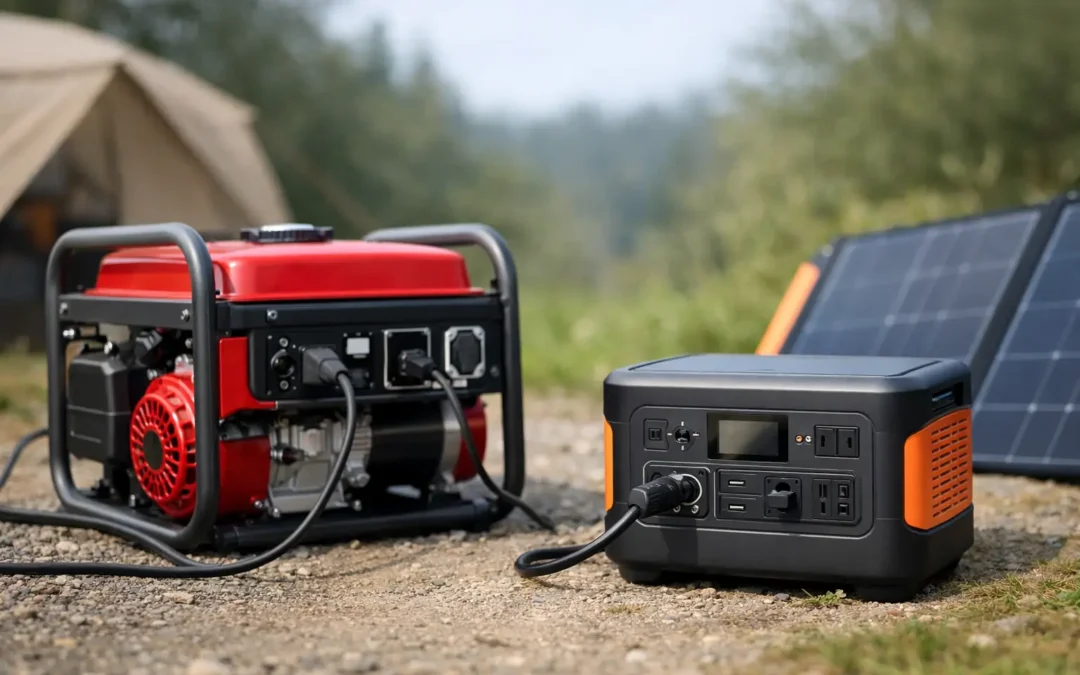
A generator creates electricity by burning fuel, usually gasoline, propane, natural gas, or diesel. A portable power station stores electricity in a battery and delivers it through outlets and USB ports. That single difference affects almost everything else, including noise, maintenance, safety, runtime, and the kinds of appliances each option can handle.
If you need high power output for large household loads, a generator is usually the stronger tool. If you want a simple backup source for electronics, lights, Wi-Fi, fans, and a few small appliances, a portable power station may be enough.
That said, many homeowners assume a portable power station is a direct replacement for a generator. In some cases, it is. In many others, it is not.
Power output matters more than marketing
The biggest mistake people make is buying based on brand claims instead of actual wattage needs. A portable power station may advertise impressive features, but the real question is whether it can start and run the devices you care about.
Generators generally provide much higher running wattage and surge capacity. That matters for equipment with motors, such as refrigerators, freezers, sump pumps, well pumps, portable AC units, and some power tools. Starting wattage can be significantly higher than running wattage, so a backup source that looks adequate on paper may still fail when the appliance kicks on.
Portable power stations are usually better suited for lower-demand items. They can often handle phones, laptops, modems, medical devices like CPAP machines, televisions, lights, and small kitchen appliances for limited periods. Some larger battery units can run a refrigerator or window AC briefly, but runtime drops quickly as the load increases.
For a Florida home preparing for storm season, that distinction matters. If your goal is to keep essentials going through an overnight outage, a portable power station may work well. If your goal is to maintain larger household systems or extend backup through a multi-day outage, a generator is more realistic.
Runtime is where the gap gets wider
A battery power station gives you a fixed amount of stored energy. Once that energy is used, it has to be recharged from the grid, solar panels, or sometimes a vehicle connection. During a prolonged outage, recharging may not be simple or fast.
A generator can keep running as long as you have fuel. That makes it a stronger option for extended outages, especially after severe weather when restoration may take time. Of course, fuel storage and availability become part of the planning. Gasoline can be hard to find after a major storm, and safe storage is a serious concern.
So the better option depends on outage length. For short disruptions, battery backup is convenient and low stress. For longer outages, fuel-powered generation has a clear advantage.
Noise, fumes, and everyday usability
This is where portable power stations win easily. They are much quieter than generators and do not produce exhaust fumes during use. That makes them suitable for indoor operation in appropriate dry conditions. For many homeowners, that simplicity is a major benefit. There is no pull start, no fuel mixing, no engine noise, and no concern about carbon monoxide from normal operation.
Generators are louder and must always be used outdoors, far enough from doors, windows, and attached garages to reduce carbon monoxide risk. This is a non-negotiable safety issue. Every storm season, emergency responders see preventable injuries and deaths caused by improper generator placement.
If you want something for overnight bedroom comfort, charging devices, or running a modem without much disruption, a power station is far more convenient. If you need serious backup power, you may accept the noise and extra safety requirements that come with a generator.
Maintenance and reliability
Portable power stations are generally lower maintenance. You need to keep them charged, store them properly, and follow the manufacturer’s battery care recommendations. That is about it.
Generators require more attention. Depending on the model, that may include oil changes, periodic test runs, fuel stabilization, air filter replacement, and general inspection. If a generator sits too long without maintenance, it may not perform the way you expect when an outage finally happens.
This is one reason some homeowners prefer professionally installed standby generators for whole-home backup. They offer a higher level of readiness than a portable unit, especially when paired with proper transfer equipment and regular service. For homeowners comparing options, it helps to separate portable generators from whole-home standby systems. They solve related problems, but not in the same way.
What about cost?
Upfront cost is often where portable power stations look attractive. Smaller units are accessible for many households and can cover basic needs without a major installation. Even larger battery systems may still feel simpler than generator ownership because there is no fuel system, less maintenance, and no combustion engine.
But cost should be measured against performance. If a lower-cost battery unit cannot power your refrigerator through the night or keep critical loads going during a long outage, it may not be the bargain it seems.
Portable generators can offer more output per dollar, but they also come with fuel expenses, maintenance needs, and added safety considerations. If you are considering connection to home circuits, transfer switches and professional electrical work may also be part of the real cost.
For homeowners who want dependable backup for selected circuits or the whole home, talking with a licensed electrician is the best way to avoid underbuying or creating an unsafe setup.
Generator vs portable power station for home backup
If your priority is comfort and convenience during brief outages, a portable power station can be a smart addition to your emergency plan. It is especially useful for charging phones, running lamps, keeping internet equipment online, and supporting small personal devices.
If your priority is protecting refrigerated food, supporting medical needs, powering pumps, or keeping larger appliances running during a prolonged outage, a generator is usually the more capable option. And if you want automatic backup without extension cords or manual setup in bad weather, a standby generator is in a different league altogether.
There is also a middle ground. Some homeowners use both. A portable power station handles indoor electronics and quiet overnight needs, while a generator covers larger loads outside when necessary. That layered approach can make sense, especially in areas where outages range from brief interruptions to storm-related events lasting much longer.
A few safety points that should never be skipped
No matter which option you choose, safety has to come first. Portable generators should never be operated indoors, in garages, or near openings where exhaust can enter the home. They should also never be connected directly to home wiring without the proper transfer equipment installed by a qualified professional.
Portable power stations are safer in many ways, but they are not risk-free. They should be kept dry, used within their rated limits, and charged according to manufacturer instructions. Damaged cords, overloaded outlets, and improper storage can still create hazards.
For homeowners in Cape Coral, Fort Myers, North Fort Myers, and nearby communities, storm preparation should include more than buying equipment. It should also include knowing which loads matter most, how you will power them, and whether your home’s electrical system is ready for backup integration.
Which one is right for your home?
Choose a portable power station if you want quiet, low-maintenance backup for smaller essentials and shorter outages. Choose a generator if you need higher output, longer runtime, and the ability to support more demanding household equipment.
If you are not sure what your home actually requires, that is where professional guidance helps. A licensed electrician can evaluate your critical loads, explain safe connection options, and help you decide whether a portable solution is enough or if a generator setup makes more sense.
Backup power works best when it is planned before the next storm warning shows up on your phone. The smartest choice is not the one with the flashiest feature list. It is the one that keeps your household safe, your essentials running, and your stress level lower when the power goes out.