
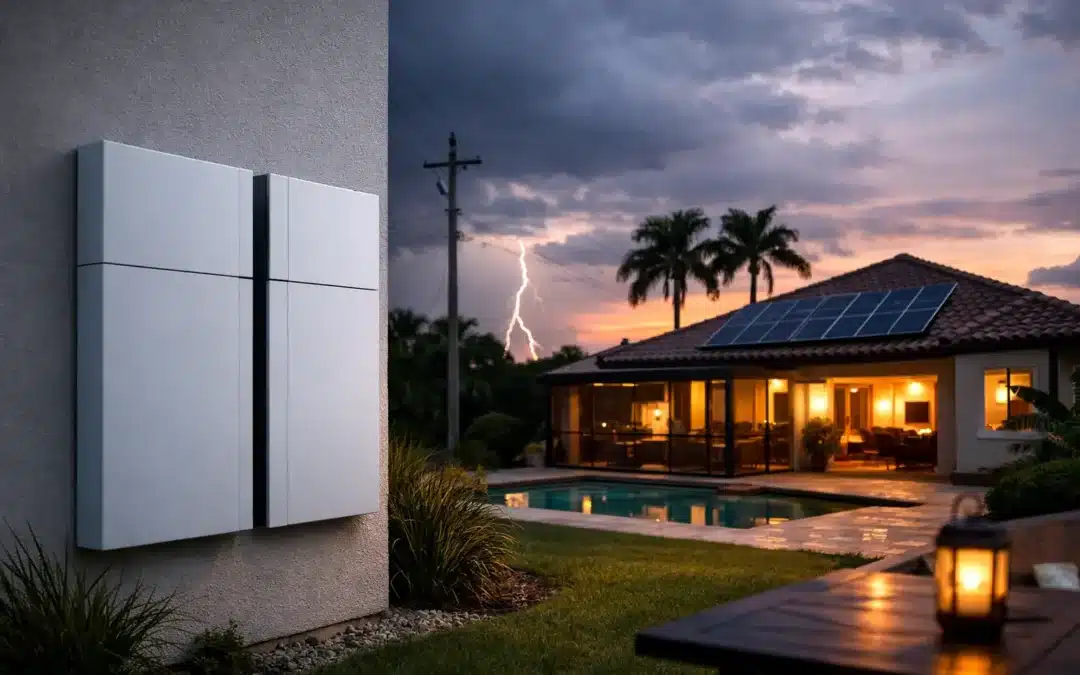
A refrigerator full of food, a working well pump, a phone charger, and a few lights can make a long outage far more manageable. That is why home battery backup trends for outages are getting serious attention from Southwest Florida homeowners. Batteries are no longer viewed only as a companion to solar panels. More households are considering them as part of a larger storm-readiness plan.
A battery system can be an excellent fit for some homes, but it is not automatically a replacement for a generator. The right choice depends on what you need to power, how long outages typically last in your area, your electrical panel, and whether your home has solar. Understanding the direction of the technology helps you make a safer, more practical investment.
Home Battery Backup Trends for Outages: More Control, Not Just More Power
The biggest shift is toward selective backup. Rather than trying to run every circuit in the house, many homeowners are choosing a dedicated backup panel for essential loads. This might include the refrigerator, kitchen outlets, internet equipment, selected lighting, garage door opener, a medical device, and perhaps a bedroom circuit.
This approach stretches stored energy further and can reduce the size and cost of the battery system. It also requires careful planning. An electrician needs to identify which circuits are appropriate, calculate expected demand, and install the equipment so the battery cannot send power back onto utility lines during an outage.
Homeowners are also paying closer attention to real-world loads. A few LED lights and a router consume very little energy. Central air conditioning, electric water heating, pool pumps, clothes dryers, and electric ranges can drain a battery quickly. The question is no longer simply, “How big is the battery?” It is, “What can this battery run, and for how long?”
Batteries Are Becoming Part of a Layered Backup Plan
In Southwest Florida, power interruptions can range from a brief storm-related outage to a longer disruption following a hurricane. That reality is leading many homeowners to combine technologies instead of expecting one device to handle every situation.
A battery is especially useful for short outages and for keeping essential circuits running quietly without fuel. It can also provide immediate power while a standby generator starts. For homes with solar, a properly designed battery system may store solar production for nighttime use and recharge during sunny periods, depending on system design and weather conditions.
A whole-home generator remains the stronger option when the goal is extended runtime and broader coverage. With a reliable fuel supply, a generator can support larger loads for days, including more demanding HVAC equipment when the system is sized correctly. During a multi-day outage with heavy cloud cover, a battery-only setup may have limited recharge capability.
For some households, the practical answer is a hybrid plan: a battery for essential power and short interruptions, plus a generator for longer events. Others may prefer one solution based on budget, space, fuel availability, and the circuits that matter most.
Better Energy Monitoring Is Changing Expectations
Newer battery systems typically include monitoring through an app or home energy display. Homeowners can see battery state of charge, solar production when applicable, household consumption, and backup status. This visibility is useful, but it also reveals a hard truth: energy use adds up quickly.
For example, leaving a pool pump running during an outage can consume a meaningful portion of stored power. So can operating portable electric cooking appliances for long periods. Monitoring makes it easier to adjust habits when the grid is down, such as turning off nonessential loads, limiting door openings on refrigerators, and charging devices during daylight hours if solar is available.
Smart load controls are growing alongside batteries. These devices can automatically shed selected circuits when demand rises, helping prevent an overload. They can be useful in homes that want to retain access to larger appliances without assuming every load can operate at once.
Backup for Air Conditioning Requires a Careful Conversation
Florida homeowners understandably ask whether a battery can run central AC during an outage. The answer is sometimes, but the details matter.
Central air conditioners have high startup and operating demands. A large enough battery bank, compatible inverter, and properly designed load management system may support an efficient system for a limited period. However, runtime can be much shorter than many homeowners expect, especially during peak summer heat. The more cooling capacity you need and the hotter the day, the more energy the system uses.
Some homeowners prioritize one smaller, highly efficient cooling zone, a mini-split, ceiling fans, or a portable cooling strategy instead of attempting to run the entire central system. Others choose a generator because maintaining full-home cooling during an extended outage is a top priority.
Before promising backup AC, a qualified professional should review the equipment nameplate data, electrical service capacity, startup requirements, panel configuration, and desired runtime. A battery should be designed around your actual comfort and safety needs, not a generic estimate.
Electrical Upgrades Often Come Before the Battery
A home battery is not simply a large appliance that plugs into the wall. It connects to critical electrical equipment and must be installed in accordance with manufacturer requirements and applicable electrical codes.
Older electrical panels, limited service capacity, crowded breaker spaces, or existing wiring concerns can affect the installation. In some homes, a panel upgrade, critical-load subpanel, surge protection, or service modifications may be needed before a battery can be added properly.
Whole-home surge protection deserves special attention in Florida. Utility switching, lightning activity, and storm conditions can create electrical events that threaten electronics and connected equipment. A backup system is a significant investment, so protecting it as part of a broader electrical plan is sensible.
Permitting and placement matter as well. Battery equipment has clearance, access, temperature, and mounting requirements. A licensed electrical contractor can assess the home before purchase and help prevent costly surprises after equipment arrives.
What to Ask Before Choosing a Home Battery
Marketing claims can make battery capacity sound straightforward, but homeowners should ask practical questions. Start with the usable energy capacity, not just the headline number. Ask which appliances and circuits are included in the backup plan, what happens when the battery reaches a low state of charge, and whether the system can expand later.
Also ask about expected runtime under several conditions. One estimate for lights and refrigeration is helpful, but it should not be confused with runtime while running air conditioning, a well pump, or electric cooking equipment. If solar is part of the plan, ask how the system performs during an outage, whether the solar array can recharge the battery, and how cloudy conditions affect recovery.
Warranty terms, maintenance expectations, noise, location, and future electrical needs should be part of the decision. A homeowner planning to add an EV charger, remodel a kitchen, or replace an HVAC system may need to account for those future loads now.
The Right System Starts With an Honest Load Assessment
Battery technology is improving, and it gives homeowners more options for quiet, instant backup power. Still, the best system is not always the largest battery or the most ambitious whole-home claim. It is the system that supports the loads your household truly needs, works safely with your electrical infrastructure, and fits your plan for outages lasting hours or days.
For homeowners in Cape Coral, Fort Myers, North Fort Myers, and nearby communities, a professional electrical assessment can turn storm preparation from a guess into a clear plan. When the next outage arrives, knowing exactly what your home can support is a comfort that no app or advertisement can replace.