
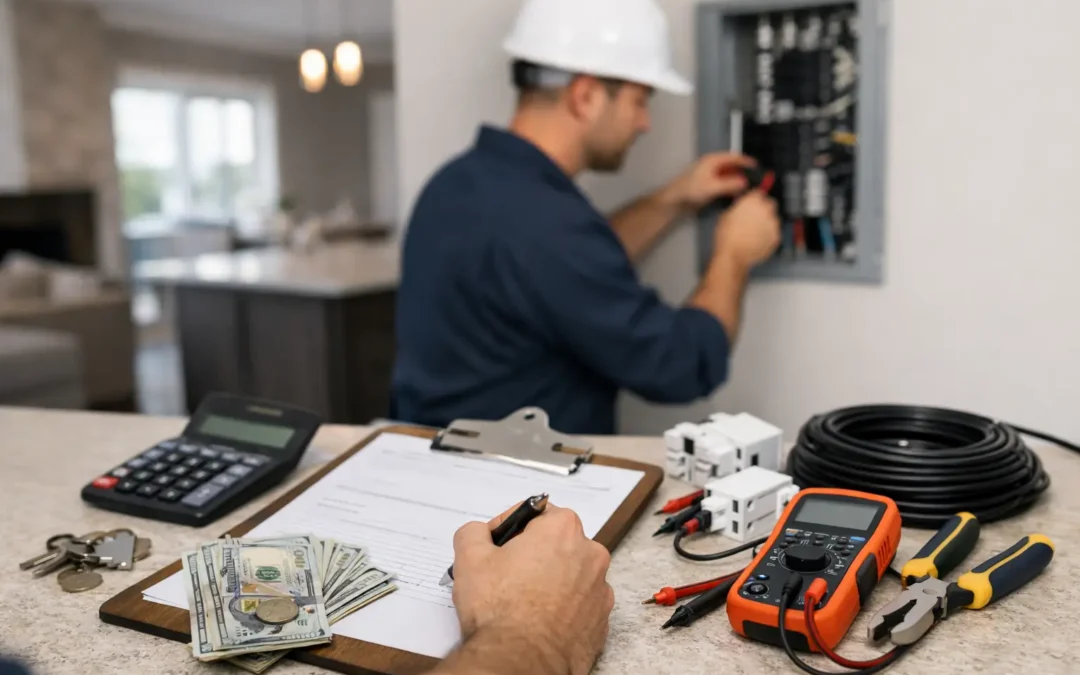
A new circuit is often needed when a breaker keeps tripping, a major appliance is being added, or an older room simply does not have enough safe power. A realistic new circuit installation cost estimate starts with more than the price of wire and a breaker. The path from your electrical panel to the new outlet, your panel capacity, permit requirements, and the type of equipment being powered all affect the final scope.
For Southwest Florida homeowners, planning matters. High-demand air conditioning equipment, garage refrigerators, pool equipment, EV chargers, hurricane-season generator needs, and modern kitchens can place a lot of demand on a home’s electrical system. The goal is not just to get another outlet working. It is to add power that is properly sized, code-compliant, and safe for the long term.
What Does a New Circuit Usually Cost?
The cost to install a new electrical circuit can range from several hundred dollars for a straightforward, short run to well over a thousand dollars when the circuit travels a long distance, serves a high-powered appliance, or requires panel work. A licensed electrician should inspect the home before giving a firm price, because two homes with the same appliance can require very different installations.
A simple 120-volt circuit near an accessible panel is usually the least involved type of project. For example, adding a properly protected circuit for a bedroom, office, garage outlet, or small appliance may be relatively direct when wiring can be routed through an open attic or unfinished space.
Dedicated 240-volt circuits generally cost more. These are commonly needed for equipment such as electric ranges, dryers, water heaters, pool pumps, mini-split systems, and EV chargers. They may require heavier-gauge wire, a larger breaker, a disconnecting means, specialized receptacles, and additional labor.
If an estimate seems unusually low, ask what it includes. A complete quote should account for materials, labor, required safety devices, permitting when applicable, panel connections, and repairs to accessible work areas. It should also make clear whether drywall repair, trenching, or specialty equipment is outside the scope.
Factors That Shape a New Circuit Installation Cost Estimate
The most significant cost factor is usually the distance between the electrical panel and the point where power is needed. A circuit that runs from a garage panel to a nearby outlet is very different from one that must cross the home to reach a kitchen island, detached structure, or pool area.
Circuit Type and Electrical Load
The circuit must be sized for the equipment it serves. A 15-amp lighting circuit has different material and installation requirements than a 50-amp circuit for an EV charger. An electrician will review the appliance nameplate, voltage, amperage, manufacturer requirements, and expected use before selecting the conductor size and breaker.
Dedicated circuits are especially important for high-demand appliances. Sharing a circuit that was not designed for the load can cause repeated trips, overheating, damage to equipment, or a fire hazard. A breaker that trips repeatedly is doing its job by signaling a problem. Replacing it with a larger breaker without upgrading the wiring is not a safe fix.
Access to the Wiring Route
Accessible attics, crawl spaces, garages, and unfinished walls can reduce labor time. Finished walls, concrete block construction, vaulted ceilings, tile backsplashes, and areas with limited attic access can add complexity.
Homes in Cape Coral, Fort Myers, and nearby communities often have construction details that affect routing. In some cases, a technician can run wiring through attic space. In others, the safest and cleanest route may require careful wall access, surface-mounted raceway, or a different placement for the outlet or equipment disconnect. The best solution balances appearance, code requirements, and the condition of the home.
Electrical Panel Capacity
Before adding a circuit, the electrician needs to determine whether the existing panel has available physical space and enough electrical capacity for the new load. These are related but separate issues.
A panel may have an empty breaker slot but still need a load calculation to confirm that the home’s service can safely support another major appliance. Conversely, a panel with adequate service capacity may be full and require a subpanel, approved breaker arrangement, or panel upgrade to create room.
This is one reason a site visit is more valuable than a price based only on a phone description. If a new circuit exposes an undersized, damaged, or outdated panel, the homeowner should know that before work begins rather than after a technician arrives.
Safety and Code Protection
Modern electrical codes often require protective devices such as GFCI or AFCI breakers or receptacles, depending on the location and circuit use. GFCI protection is particularly common in areas where moisture is a concern, including garages, kitchens, bathrooms, laundry areas, and outdoor locations. AFCI protection can help reduce fire risks from certain arcing faults in living areas.
These requirements are not unnecessary add-ons. They are designed to protect people and property. Outdoor circuits and pool-adjacent equipment may also need weather-rated boxes, in-use covers, proper grounding, bonding, and equipment-specific disconnects. In coastal Florida’s humidity, rain, and storm conditions, using the right materials is part of a dependable installation.
Permits and Inspection Requirements
Electrical permits and inspections may apply to new circuit work, depending on the project and local jurisdiction. Permit costs are only one portion of the expense. The work also needs to be installed so it can pass inspection and serve the home safely after the project is complete.
A professional contractor can explain whether permitting is needed for your specific installation and handle the process when it is part of the work. This provides useful documentation for homeowners, especially when selling a home, completing insurance paperwork, or planning future upgrades.
When a Panel Upgrade May Be the Better Investment
A new circuit does not automatically mean you need a new panel. However, a panel upgrade becomes worth discussing when the existing equipment is full, shows signs of corrosion or damage, has recurring breaker issues, lacks capacity for planned additions, or cannot safely support the home’s electrical load.
Consider the bigger picture if you are adding several electrical upgrades over the next few years. An EV charger, electric water heater, induction range, pool equipment, generator connection, workshop tools, or new HVAC equipment can add up quickly. Installing one circuit at a time may be appropriate, but planning ahead can prevent repeated panel modifications and help you make a more informed investment.
An electrician may recommend a load calculation and a clear list of priorities rather than immediately recommending the largest possible upgrade. That practical approach helps homeowners understand what is necessary now and what can be planned for later.
How to Get an Accurate Estimate Before Work Begins
The fastest way to improve the accuracy of an estimate is to share the purpose of the circuit. If it is for a specific appliance, have the model information or electrical rating available. Let the electrician know where the equipment will be located, whether the area is indoors or outdoors, and whether there are any known concerns with the panel.
During an on-site assessment, a licensed professional can inspect the panel, identify a feasible wiring route, check grounding and protective device needs, and look for conditions that could affect the installation. This is also the time to mention future plans, such as an EV, generator, pool heater, or remodeled kitchen.
A good estimate should be understandable. You should know what circuit is being installed, what it will power, whether the panel needs additional work, and what circumstances could change the price. Transparent communication is part of a safe electrical project, not an extra service.
Signs You Should Not Delay a New Circuit
Some projects are planned upgrades, while others begin with a warning sign. Frequent breaker trips, warm outlets, flickering lights when an appliance starts, buzzing at the panel, burned odors, or extension cords being used as permanent solutions all deserve attention. Turn off power to the affected area when it is safe to do so, and have the issue evaluated by a qualified electrician.
A new circuit can solve an overload problem, but only after the cause is identified. Sometimes the answer is a dedicated circuit. Other times, damaged wiring, a failing outlet, a loose connection, or an appliance fault needs to be addressed first.
Before your new appliance is delivered or your next remodel begins, schedule an electrical assessment. A clear plan from a licensed professional gives you the right circuit, the right protection, and fewer expensive surprises once the work is underway.