
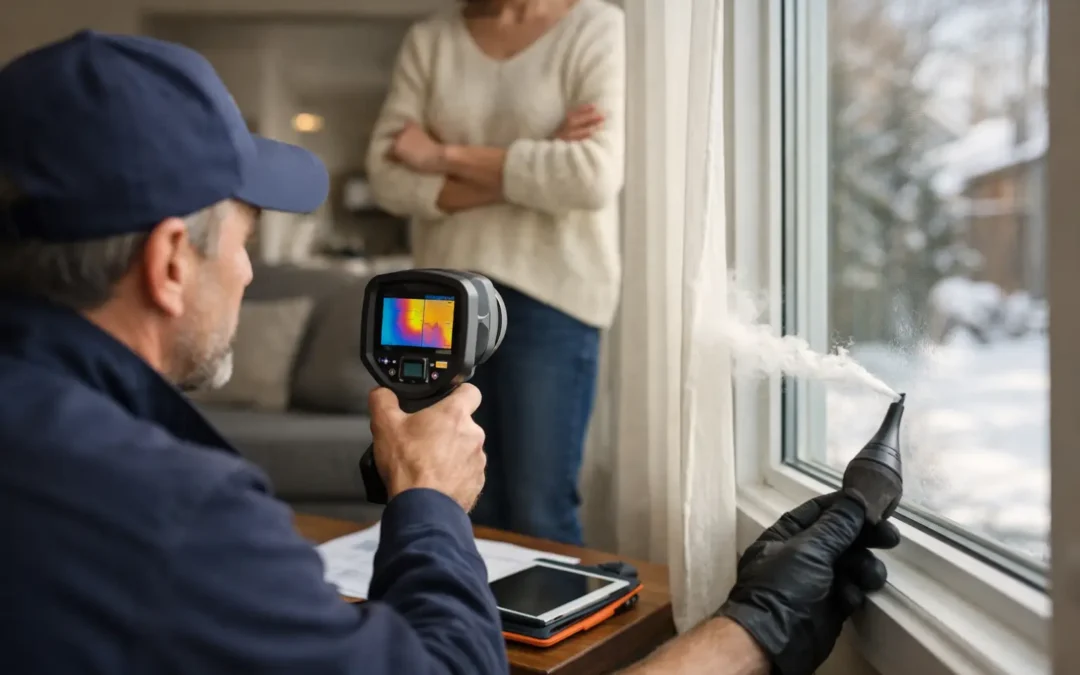
Your air conditioner may be running hard for a reason that has nothing to do with its age. In Southwest Florida, heat, humidity, duct leaks, weak insulation, and poorly sealed openings can force a system to work far beyond what the thermostat suggests. A home energy audit helps identify where your home is losing conditioned air, wasting electricity, or putting unnecessary strain on HVAC equipment.
For homeowners in Cape Coral, Fort Myers, North Fort Myers, and surrounding communities, this is not just about trimming a utility bill. It is about keeping rooms consistently comfortable, protecting major equipment, and finding issues before they become expensive repairs.
What a Home Energy Audit Looks For
A home energy audit is a structured review of how your house uses and loses energy. It considers the building itself, the air conditioning system, electrical equipment, and the habits that affect consumption. The goal is not to sell a long list of upgrades. It is to determine which changes will make a meaningful difference for your particular home.
A useful assessment often starts with what you notice every day. Maybe the master bedroom stays warmer than the rest of the house. Maybe your AC seems to run continuously during the afternoon, or your electric bill rises even though your routines have not changed. Those symptoms can point to several causes, so it is worth investigating rather than assuming the AC unit is the only problem.
During a professional evaluation, a technician may review attic insulation, ductwork condition, airflow at supply vents, thermostat settings, outdoor equipment, and areas where outside air can enter. Electrical loads also matter. Older appliances, inefficient lighting, a struggling pool pump, or equipment connected to an outdated electrical system can all add to energy use.
Why Florida Homes Need a Different Approach
Florida heat is demanding, but humidity changes the equation. Your air conditioner does more than lower the temperature. It also removes moisture from indoor air. When humid outdoor air leaks through gaps around doors, windows, recessed fixtures, attic access panels, or duct connections, your HVAC system must handle that added moisture load.
That is why a home can feel sticky even when the thermostat is set low. Lowering the temperature may make the system run longer without correcting the underlying problem. In some cases, the better solution is sealing a duct leak, improving attic insulation, correcting airflow, or addressing an oversized or improperly operating AC system.
Storms and intense sun exposure create additional concerns. Damaged weatherstripping, worn exterior seals, and compromised attic ventilation can gradually affect comfort and efficiency. Homes that have been renovated, expanded, or fitted with new windows may also need their HVAC performance reassessed. One improvement can change how air moves through the rest of the home.
Signs It Is Time for an Energy Checkup
No homeowner needs to wait for an emergency to investigate energy waste. A few recurring signs are enough to justify a closer look:
- Your electric bills have increased without a clear change in household use.
- Certain rooms are consistently too warm, too cold, humid, or difficult to cool.
- Your AC runs for long periods, cycles frequently, or struggles to maintain the set temperature.
- You notice dusty vents, weak airflow, hot attic spaces, or visible gaps around doors and windows.
- Your home has older insulation, aging ductwork, an older electrical panel, or equipment nearing the end of its service life.
These signs do not automatically mean you need a new air conditioner or a major renovation. For example, weak airflow could be caused by a dirty filter, a blocked return, undersized ductwork, or a mechanical issue. An audit helps separate low-cost maintenance needs from larger upgrades that deserve planning.
The Highest-Value Improvements Often Come First
The best improvements depend on the home, but they should be prioritized by impact, safety, and cost. Air sealing is often one of the most practical starting points because it prevents conditioned air from escaping and humid air from entering. Common trouble spots include attic hatches, plumbing penetrations, door sweeps, and gaps around exterior openings.
Insulation is another major factor, especially above the living space. Heat entering through the attic can raise ceiling temperatures and extend AC run times. Adding or correcting insulation may help, but it should be done with proper attention to ventilation, moisture conditions, and any existing electrical components in the attic.
Ductwork deserves equal attention. Leaky, disconnected, crushed, or poorly insulated ducts can waste cooled air before it reaches a room. Duct problems can also draw hot, dusty attic air into the system. Simply replacing an AC unit without addressing poor ducts may leave comfort problems in place.
HVAC maintenance can offer a fast return when the system is otherwise in good condition. A clean filter, properly functioning condensate drain, correct refrigerant performance, clean coils, and verified airflow all support efficiency. Maintenance is not a substitute for repairing worn equipment, but it can prevent a manageable issue from becoming a breakdown during the hottest part of the year.
Electrical improvements may also be part of the conversation. Replacing outdated lighting with LEDs, reviewing high-use circuits, and making sure electrical connections and panels are in safe condition can reduce waste and improve reliability. If you are adding a new high-efficiency AC system, pool equipment, electric vehicle charger, or generator, confirming that the electrical system can safely support the load is essential.
What You Can Check Before Calling a Professional
Homeowners can spot several easy issues without taking risks or opening electrical panels. Start by checking your HVAC filter. A clogged filter restricts airflow, which can make the system work harder and reduce comfort. Follow the manufacturer’s filter recommendations and replace it on schedule, especially during periods of heavy cooling use.
Walk through the home during the hottest time of day. Pay attention to rooms that feel noticeably different from nearby spaces. Check whether furniture, rugs, or curtains are blocking supply or return vents. Look for damaged weatherstripping, loose door sweeps, and daylight around exterior doors. In the attic, only if it is safe to enter and you can avoid stepping off the walking surface, look for obvious insulation gaps or disconnected ducts. Do not disturb wiring or attempt electrical repairs.
Also review your thermostat habits. Setting the temperature extremely low will not cool the house faster. It generally causes longer run times. A reasonable setting, paired with a properly operating system and good airflow, is more effective than asking an already strained unit to do more.
When a Professional Assessment Makes Sense
A professional evaluation is especially valuable when the cause of a comfort problem is unclear. HVAC and electrical systems interact with the home’s structure, and a quick guess can lead to unnecessary spending. If you have repeated AC repairs, uneven cooling, high humidity, unusual electrical behavior, or a major planned upgrade, an experienced technician can help identify the right order of operations.
For instance, replacing an old AC unit may be the right decision if it is unreliable, inefficient, or improperly sized. But if duct leakage and attic heat are the main drivers of the problem, those issues should be considered at the same time. Likewise, an electrical panel upgrade is not an energy-saving project by itself, yet it can be necessary for safely supporting modern equipment and reducing the risk of overloaded circuits.
Licensed professionals should explain what they found, why it matters, and which recommendations are urgent versus optional. Transparent pricing and clear priorities allow you to make decisions based on your home, budget, and long-term plans. Infinite Electric & Air can help Southwest Florida homeowners evaluate HVAC and electrical concerns with that practical, safety-focused approach.
Make Comfort a Measurable Goal
The value of an energy audit is not a perfect score or a list of projects. It is knowing why your home feels the way it does and choosing improvements that solve the real problem. Start with the issues you can feel and see, then bring in qualified help when the system needs a closer look. A more comfortable home is often built through a few well-chosen corrections, not one oversized fix.