
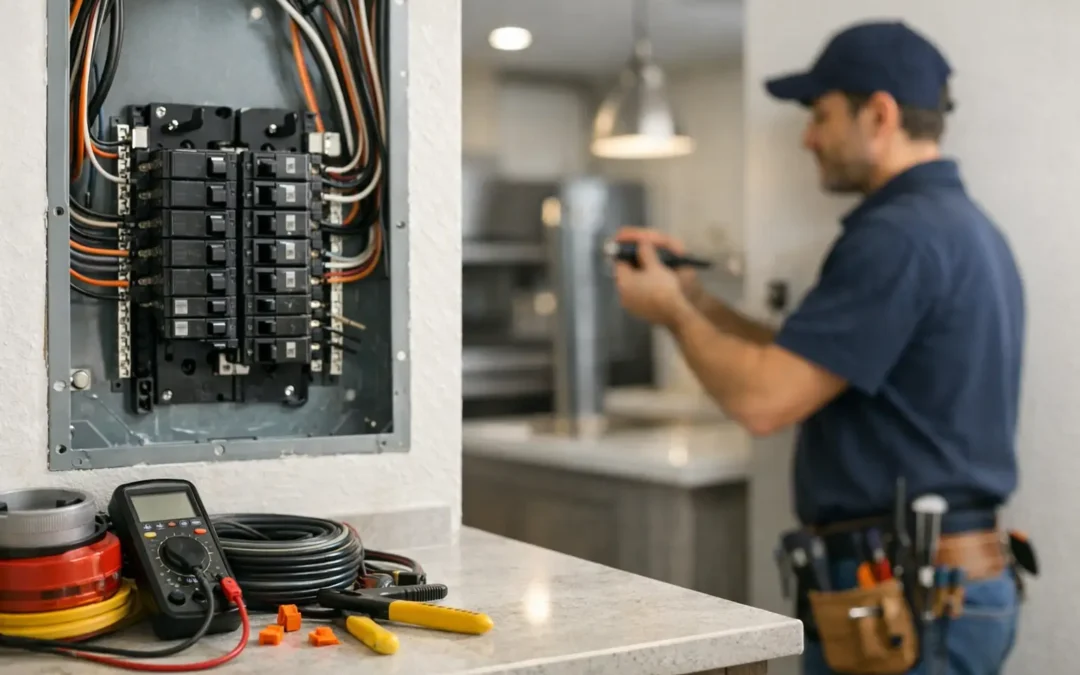
A buyer may never notice a new electrical panel during a quick showing, but they will notice warning signs: a crowded breaker box, old outlets, flickering lights, or a generator that will not support the home during an outage. The best electrical upgrades for resale do more than make a listing sound modern. They answer practical questions buyers and home inspectors ask about safety, capacity, storm readiness, and the cost of ownership.
For homeowners in Southwest Florida, those questions carry extra weight. High cooling loads, lightning, hurricanes, and frequent power interruptions can expose weaknesses in an older electrical system. The right upgrade can make a home easier to insure, easier to inspect, and more appealing to buyers who do not want a major project waiting after closing.
Start With Safety and Electrical Capacity
If your home has an outdated, undersized, damaged, or overloaded panel, a panel upgrade is often one of the most meaningful improvements you can make. Modern households demand more electricity than homes built decades ago were designed to provide. Central air conditioning, pool equipment, electric ranges, garage tools, home offices, EV chargers, and smart-home devices all compete for available capacity.
A newer panel with properly labeled breakers tells a buyer that the electrical system has room to support the way people live now. It can also eliminate concerns raised during an inspection, such as corrosion, double-tapped breakers, overheating, or a lack of available circuits.
That does not mean every home needs a larger service simply to improve resale value. If the existing panel is in good condition, correctly sized, and has sufficient capacity, replacing it may not produce a dramatic return. A licensed electrician can evaluate the service, panel condition, load requirements, grounding, and wiring before recommending a repair or replacement.
Replace Problematic Equipment Before Listing
Certain electrical issues should be addressed because they affect safety, not because they are cosmetic. Older fuse boxes, recalled panels, damaged meter equipment, exposed wiring, and repeated breaker trips can concern buyers, insurers, and inspectors. Fixing these issues before a home goes on the market gives you more control over the work, schedule, and cost than waiting for a buyer to request repairs.
Keep documentation for permitted work, including invoices and inspection records. Buyers may not understand every technical detail, but they appreciate proof that improvements were completed by qualified professionals.
Add Whole-Home Surge Protection
Florida storms are not the only source of damaging power surges. Utility switching, nearby lightning activity, and power restoration after an outage can send sudden voltage spikes through a home. Those spikes can shorten the life of sensitive electronics, appliances, HVAC equipment, and connected devices.
Whole-home surge protection is a relatively focused upgrade that provides a clear benefit. Installed at the electrical panel, it helps protect the systems buyers expect to work reliably from day one. It is especially relevant in homes with newer air conditioning equipment, smart thermostats, kitchen appliances, security systems, and home office technology.
Surge protection is not a substitute for safe wiring or a properly functioning electrical panel. It also does not guarantee that every device will survive a direct lightning strike. Still, as part of a well-maintained electrical system, it is a practical feature that signals preparation for Florida’s weather conditions.
Consider a Whole-Home Generator for Storm Readiness
A whole-home generator can be a standout feature in areas where hurricanes and extended outages are part of homeownership. Buyers who have lived through a storm may place real value on being able to run essential appliances, refrigeration, lighting, internet equipment, and air conditioning when utility power is unavailable.
For resale, the strongest generator installation is one that is properly sized for the home and installed with the required transfer equipment, fuel connection, permits, and maintenance records. A generator that is too small for the home’s intended loads may disappoint buyers. One that has not been maintained can create more questions than confidence.
Whether a generator is worth the investment depends on the neighborhood, price point, fuel availability, and the home’s location. In a starter home, a portable-generator inlet or transfer switch may be a more proportionate improvement. In a larger home with a pool, extensive refrigeration, medical equipment, or a strong emphasis on comfort during outages, a whole-home system can be a meaningful selling point.
Make Everyday Power More Convenient
Some upgrades do not command attention in a listing description, but they make a home feel better maintained and more functional during a showing. Replacing cracked, loose, or discolored switches and receptacles is a simple example. Adding GFCI protection where required, especially in kitchens, bathrooms, garages, laundry areas, and outdoor spaces, supports safety and helps prevent inspection issues.
Thoughtful outlet placement also matters. Buyers notice when a room has enough accessible power for lamps, televisions, chargers, and work equipment without a maze of extension cords. USB-equipped outlets can be convenient, but standard, properly installed receptacles usually have broader appeal and are easier to maintain over time.
Outdoor electrical improvements deserve attention in Florida as well. Weather-resistant receptacles, covered outdoor outlets, safe pool and spa equipment connections, and functional exterior lighting all contribute to a home’s usability. The key is to avoid overbuilding. Buyers generally value dependable, code-conscious electrical work more than novelty features they may never use.
Improve Lighting Where It Changes the Experience
Lighting can influence a buyer’s first impression immediately. Dark entryways, poorly lit kitchens, dim hallways, and unlit exterior paths can make an otherwise well-kept home feel less inviting. Upgrading fixtures and adding appropriately placed lighting can improve both safety and presentation.
Focus on areas where lighting serves a clear purpose. Bright, even kitchen lighting supports daily tasks. Exterior lighting at doors, walkways, and garages improves nighttime visibility. Motion-sensor lighting can add convenience around side yards and entrances. In living spaces, dimmers allow buyers to see that the home can adapt to relaxing, entertaining, and working.
Avoid treating lighting as purely decorative. A high-end fixture will not compensate for poor circuit capacity, loose wiring, or inadequate outdoor protection. Start with the electrical fundamentals, then choose fixtures that suit the home rather than chasing a short-lived trend.
EV Charging Can Help, but It Is Not Universal
An EV charging circuit can appeal to buyers who already drive electric or plan to do so. In some homes, installing a dedicated 240-volt circuit or a properly installed Level 2 charger can be a useful differentiator, particularly when there is a garage and adequate panel capacity.
However, this upgrade should fit the property. If panel capacity is limited, the project may require additional electrical work that changes the budget. A hardwired charger may not match a future buyer’s vehicle connector or preferences, while a dedicated circuit can offer flexibility. For resale, an electrician can help determine whether a charger, a charger-ready circuit, or no upgrade at all makes the most sense.
Choose Upgrades Buyers Can Trust
The best electrical upgrades resale value can support are usually the ones that remove uncertainty. Buyers want to know the panel is safe, the home is protected from common surge risks, outdoor and wet-area outlets are properly protected, and the property can handle modern electrical demands.
Avoid DIY electrical work, especially before selling. Even a small project completed incorrectly can create a safety hazard, delay an inspection, or require costly corrections. Licensed, permitted work is easier to explain to buyers and helps protect the home’s long-term value.
Before making upgrades, consider your likely buyer, the home’s age, the current electrical condition, and the improvements already common in your neighborhood. A professional electrical assessment can help you spend where it matters most instead of investing in features that do not fit the property. If you are preparing a home for sale in Cape Coral, Fort Myers, or nearby communities, Infinite Electric & Air can evaluate the system and recommend practical work that supports safety, reliability, and buyer confidence.