
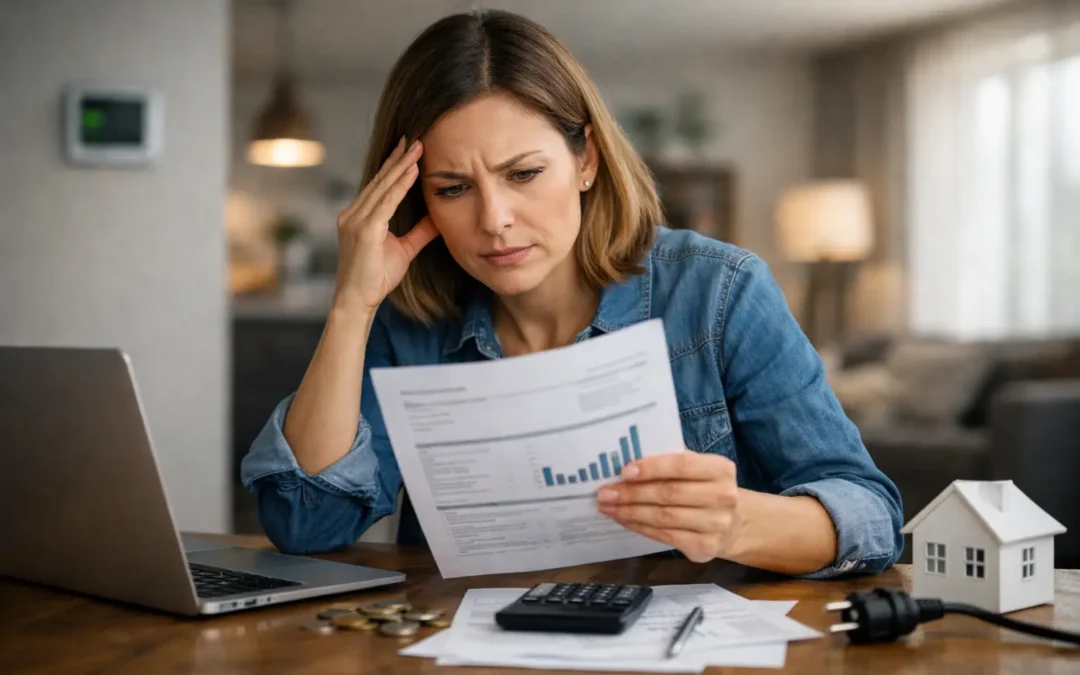
The moment a power bill jumps, most homeowners ask the same question: why is my electric bill so high all of a sudden? In Southwest Florida, that question usually has more than one answer. A higher bill can come from heavier AC use, aging equipment, hidden electrical problems, rate changes, or small habits that add up faster than people realize.
The key is not guessing. If you want to lower your bill without sacrificing comfort, you need to know what is actually using the power and whether the issue is normal seasonal demand or a sign that something in the home needs attention.
Why is my electric bill so high in Florida?
Florida homes work harder than homes in many other parts of the country. Air conditioners run longer, humidity puts extra strain on HVAC systems, and storm season can expose electrical weaknesses that might not be obvious day to day. Even if your habits have not changed much, your home may be using more electricity just to maintain the same level of comfort.
That is especially true during long stretches of heat, when your AC may run for hours at a time. If the system is older, low on efficiency, or overdue for maintenance, the energy use climbs quickly. A bill spike in summer is common, but a dramatic spike is worth looking into.
The most common reasons your electric bill increased
Your air conditioner is doing most of the work
In many Florida homes, the AC is the single largest contributor to the electric bill. If your system is struggling, the increase can be significant. A dirty filter, leaking ductwork, low refrigerant, clogged drain line, failing blower motor, or worn parts can all make the unit run longer than it should.
Sometimes the system still cools the house, so the problem is easy to miss. You may feel comfortable enough indoors while the equipment quietly uses far more electricity than normal. If rooms feel uneven, the unit runs constantly, or the thermostat setting keeps dropping just to stay comfortable, the HVAC system deserves a closer look.
Your electric water heater is costing more than you think
Water heating is another major energy user. If your water heater is older, has sediment buildup, or has a failing heating element, it may consume more power to do the same job. Hot water leaks, even small ones, can also force the unit to reheat more often.
This problem can show up as a higher bill without any obvious electrical symptoms. If you have noticed inconsistent hot water, popping noises from the tank, or longer recovery times, the water heater may be part of the problem.
You added more usage without noticing
Sometimes the answer is simple. Kids are home for the summer, a second refrigerator was added in the garage, a pool pump schedule changed, or more laundry is being done each week. These changes can raise the bill even if nothing is technically wrong.
The challenge is that many of these loads feel minor on their own. But when you combine longer cooling cycles, extra appliance use, and more time spent at home, the monthly total can move fast.
An older electrical system may be wasting energy
An outdated electrical panel does not automatically mean high energy use, but aging electrical components can create inefficiencies and safety concerns. Loose connections, worn breakers, or circuits that are not performing properly should never be ignored.
In some homes, electrical issues do more than waste power. They can damage appliances, cause nuisance tripping, or create heat where it should not exist. If your lights flicker, breakers trip often, outlets feel warm, or you notice buzzing near the panel, it is time to have the system inspected.
Phantom loads are raising the baseline
Many devices use electricity even when they seem off. TVs, cable boxes, gaming systems, chargers, coffee makers, microwaves, printers, and smart home devices all draw small amounts of power in standby mode. One device is not a big deal. A whole house full of them can noticeably increase your bill over time.
This is not usually the main reason a bill doubles, but it often explains why usage stays high even when homeowners feel like they are being careful.
Utility rate changes and billing cycles can skew the number
Not every high bill is caused by higher consumption. Utility companies sometimes raise rates, and billing periods are not always the same length from month to month. A bill covering a few extra days during hot weather can look alarming.
It is worth comparing both your total cost and your actual kilowatt-hour usage. If the usage number rose, your home consumed more power. If usage stayed similar but the bill climbed, rates or fees may be part of the reason.
Signs the problem may be more than normal seasonal use
A summer increase is expected in Florida. What is not expected is a sudden jump that feels out of proportion to the weather. If your bill is far higher than the same month last year, if your AC runs almost nonstop, or if you are seeing electrical warning signs around the home, there may be an underlying issue.
Another clue is when your daily routine has not really changed, but the bill has. That often points to equipment running less efficiently, hidden wear in the HVAC system, or an electrical component that is not performing the way it should.
How to narrow down what is using the electricity
Start with the basics. Check your air filter, thermostat settings, and outdoor AC unit for obvious blockage or debris. Think about whether any large appliances have been added or used more often recently. Review your bill and compare the kilowatt-hour usage to the same period last year if that information is available.
Then pay attention to patterns inside the home. If the AC is the likely source, ask whether it is cycling normally or running all day. If the water heater may be involved, notice whether hot water performance has changed. If the electrical system seems suspicious, look for flickering lights, tripped breakers, hot outlets, or unexplained power fluctuations.
These observations help point in the right direction, but they do not replace a professional evaluation when safety is involved.
What you can do to lower the bill
Some improvements are quick and practical. Replacing a dirty air filter, adjusting the thermostat a few degrees, sealing air leaks around doors, and reducing standby power can all help. Regular HVAC maintenance also matters more than many people think, especially in a region where cooling systems run so often.
Other situations need more than a quick fix. If your AC is aging and struggling, repairs or replacement may offer a better long-term return than continuing to pay for inefficient operation. If your electrical panel is outdated or showing signs of trouble, a professional inspection is the right move for both efficiency and safety.
The same goes for surge-related issues after storms. In Southwest Florida, power events can affect sensitive equipment and cause problems that are easy to miss at first. A system may still function, but not as efficiently or reliably as it should.
When to call a professional
If you are asking why is my electric bill so high and the answer is not obvious after checking the basics, it is worth bringing in a licensed professional. That is especially true if you notice repeated breaker trips, buzzing sounds, warm outlets, burning smells, inconsistent cooling, or a major bill increase that keeps happening month after month.
Electrical and HVAC systems are connected in more ways than most homeowners realize. A struggling AC can drive up usage, but so can wiring issues, panel problems, damaged components, or equipment that is no longer operating safely. Getting a clear diagnosis can save money, but just as importantly, it can help protect your home.
For homeowners in places like Cape Coral, Fort Myers, and North Fort Myers, the climate adds extra pressure to both cooling and electrical systems. Heat, humidity, and storms are hard on equipment. When your bill rises sharply, it is not always about using more power on purpose. Often, it is your home telling you that something needs attention.
A high electric bill is frustrating, but it is also useful information. It gives you a chance to catch efficiency problems early, address safety concerns before they get worse, and make smarter decisions about the systems your home depends on every day.