
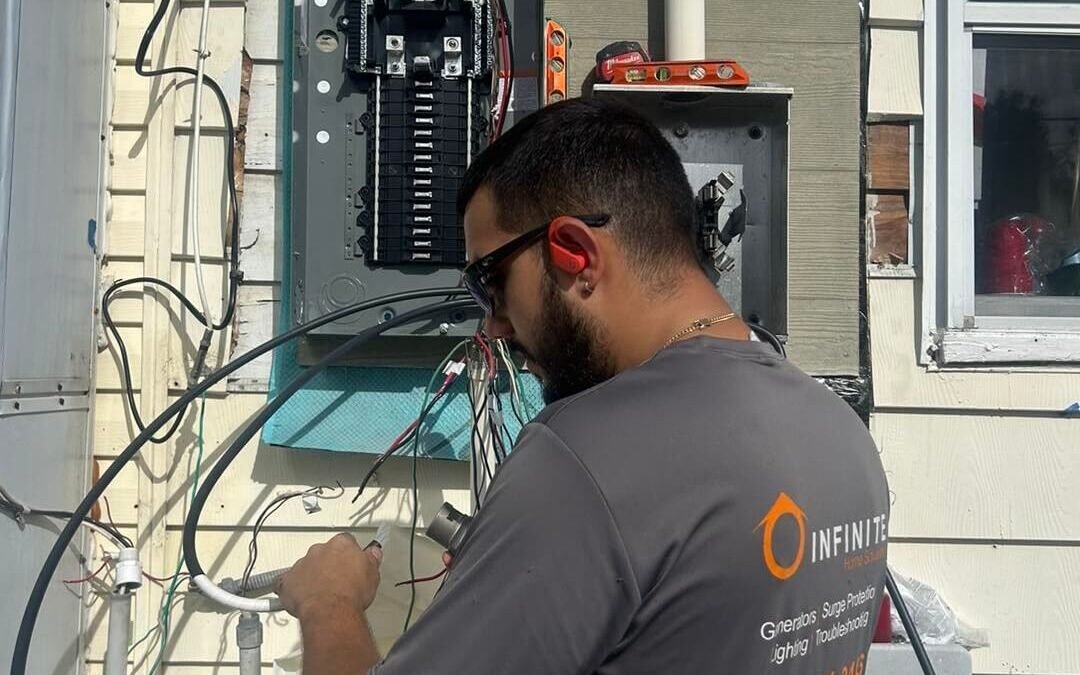
In the realm of skilled trades and specialized professions, the importance of training and education cannot be overstated. Many fields require a deep understanding of complex systems, whether they be mechanical, electrical, or structural. For instance, electricians must grasp the intricacies of electrical systems, including wiring, circuit design, and safety protocols.
This knowledge is typically acquired through a combination of classroom instruction and hands-on experience, often in the form of apprenticeships. These programs not only provide theoretical knowledge but also allow aspiring professionals to work alongside seasoned experts, gaining invaluable insights into real-world applications. Moreover, specialized training often extends beyond initial education.
Many professions require ongoing training to keep up with technological advancements and changes in regulations. For example, HVAC technicians must stay updated on the latest energy-efficient systems and environmental regulations. This commitment to lifelong learning ensures that professionals remain competitive in their fields and can provide the best possible service to their clients.
The investment in education and training is not merely a prerequisite; it is a cornerstone of professional integrity and excellence.
Key Takeaways
- Specialized training and certifications are essential for credibility and compliance in the industry.
- Safety measures and liability insurance protect both workers and clients from potential risks.
- Initial and ongoing costs include tools, equipment, insurance, and transportation expenses.
- The work is labor-intensive and requires continuous education to maintain skills and meet demand.
- Maintaining high quality and reliability is crucial for business reputation and client satisfaction.
Licensing and Certification Requirements
Licensing and certification are critical components in many skilled trades, serving as a benchmark for professionalism and competency. Each state or region may have its own specific requirements, which can include passing exams, completing a certain number of hours in training, or obtaining endorsements from recognized industry bodies. For instance, plumbers often need to pass rigorous licensing exams that test their knowledge of plumbing codes, safety practices, and installation techniques.
This regulatory framework is designed to protect consumers by ensuring that only qualified individuals are allowed to perform potentially hazardous work. In addition to state licensing, many professionals pursue certifications from industry organizations to further validate their expertise. These certifications often require ongoing education and re-certification at regular intervals, which helps maintain high standards within the profession.
For example, a certified welder may need to demonstrate proficiency in various welding techniques and adhere to safety standards set by organizations like the American Welding Society (AWS). Such credentials not only enhance an individual’s marketability but also instill confidence in clients regarding the quality of work they can expect.
Safety and Liability Considerations

Safety is paramount in any profession that involves physical labor or the use of heavy machinery. Skilled tradespeople must adhere to strict safety protocols to minimize the risk of accidents and injuries on the job site. This includes wearing appropriate personal protective equipment (PPE), following safety guidelines for equipment operation, and being aware of potential hazards in their work environment.
For instance, construction workers are trained to recognize risks such as falling objects or electrical hazards, which can lead to serious injuries if not properly managed. Liability considerations also play a significant role in the operations of skilled trades. Professionals must be aware of the legal implications of their work, particularly when it comes to contracts and warranties.
A contractor who fails to meet building codes or delivers subpar workmanship may face legal repercussions from clients seeking damages. Therefore, understanding liability insurance and its importance is crucial for protecting oneself against potential lawsuits. This awareness not only safeguards the individual but also reinforces the importance of delivering high-quality work that meets industry standards.
Tools and Equipment Costs
The financial investment required for tools and equipment can be substantial in many skilled trades. Professionals often need a wide array of specialized tools tailored to their specific tasks. For example, electricians require a variety of tools such as wire strippers, multimeters, and conduit benders, each serving a unique purpose in their work.
The costs associated with these tools can add up quickly, especially for those just starting their careers or looking to expand their service offerings. Additionally, the maintenance and replacement of tools must be factored into overall expenses. High-quality tools are essential for ensuring efficiency and precision in work; however, they also come with a higher price tag.
For instance, a professional-grade power drill may cost significantly more than a consumer-grade model but will likely last longer and perform better under demanding conditions. As such, skilled tradespeople must carefully consider their tool investments to balance quality with affordability while ensuring they have the necessary equipment to complete jobs effectively.
Insurance and Bonding Expenses
| Factor | Description | Impact on Cost |
|---|---|---|
| Training and Certification | Electricians undergo extensive training and must obtain certifications and licenses to ensure safety and compliance. | High – Training and certification costs are passed on to customers. |
| Specialized Skills | Electricians require specialized knowledge to handle complex electrical systems safely and efficiently. | Moderate – Skilled labor commands higher rates. |
| Insurance and Liability | Electricians need insurance to cover potential damages or accidents, increasing operational costs. | Moderate – Insurance premiums add to service costs. |
| Tools and Equipment | Electricians invest in specialized tools and equipment that require maintenance and replacement. | Low to Moderate – Equipment costs contribute to pricing. |
| Time and Complexity | Electrical work can be time-consuming and complex, requiring careful planning and execution. | High – Labor time increases overall cost. |
| Safety Regulations | Strict safety codes and regulations must be followed, requiring additional effort and compliance checks. | Moderate – Compliance adds to labor and administrative costs. |
| Emergency and After-Hours Service | Electricians often charge premium rates for emergency or after-hours work. | High – Premium charges increase cost significantly. |
Insurance is a critical aspect of operating a business in the skilled trades sector. Various types of insurance are necessary to protect both the professional and their clients from unforeseen events that could lead to financial loss. General liability insurance is often required to cover damages that may occur during the course of work, such as property damage or bodily injury.
Additionally, workers’ compensation insurance is essential for protecting employees in case of work-related injuries or illnesses. Bonding is another important consideration for many tradespeople, particularly those involved in contracting work. A surety bond serves as a guarantee that the contractor will fulfill their contractual obligations.
If they fail to do so, the bond provides financial compensation to the client. This requirement not only protects consumers but also enhances the contractor’s credibility in the marketplace. The costs associated with obtaining insurance and bonding can vary widely based on factors such as location, type of work performed, and claims history, making it essential for professionals to budget accordingly.
Travel and Transportation Costs

Travel expenses can significantly impact the overall cost structure for skilled tradespeople who operate in multiple locations or serve clients across a wide geographic area. Whether commuting to job sites or transporting tools and equipment, these costs can accumulate quickly. For instance, an HVAC technician may need to travel long distances to reach clients in rural areas or remote locations, leading to increased fuel costs and wear-and-tear on vehicles.
Moreover, transportation logistics can affect scheduling and project timelines. Delays caused by traffic or vehicle breakdowns can lead to lost productivity and dissatisfied clients. As such, many professionals invest in reliable vehicles that can accommodate their tools while also being fuel-efficient.
Additionally, some may choose to implement route optimization strategies or use technology to streamline travel plans, ultimately reducing costs associated with transportation.
Time and Labor Intensive Work
The nature of skilled trades often involves labor-intensive tasks that require significant time commitments. Many projects demand meticulous attention to detail and a high level of craftsmanship, which can extend timelines considerably. For example, custom cabinetry installation requires not only precise measurements but also careful assembly and finishing work that can take days or even weeks to complete.
This time-intensive nature of work can pose challenges for tradespeople when it comes to pricing their services. While some clients may expect quick turnaround times, professionals must balance efficiency with quality to ensure that they deliver results that meet or exceed expectations. Additionally, labor-intensive projects may necessitate hiring additional workers or subcontractors, further complicating scheduling and budget considerations.
Continuing Education and Skill Development
In an ever-evolving job market characterized by rapid technological advancements and changing regulations, continuing education is vital for professionals in skilled trades. Many industries require workers to stay abreast of new techniques, tools, and safety standards through ongoing training programs or workshops. For instance, electricians may need to learn about emerging technologies such as smart home systems or renewable energy solutions like solar panels.
Investing in skill development not only enhances an individual’s expertise but also opens up new opportunities for career advancement. Professionals who pursue additional certifications or specialized training can differentiate themselves from competitors and position themselves as experts in niche areas of their field. This commitment to growth fosters a culture of excellence within the profession while ensuring that clients receive the most up-to-date services available.
Demand for Services
The demand for skilled trades services fluctuates based on various factors such as economic conditions, population growth, and technological advancements. In times of economic expansion, construction projects often surge as businesses invest in new facilities or homeowners undertake renovations. Conversely, during economic downturns, demand may wane as budgets tighten and projects are postponed.
Understanding market trends is crucial for tradespeople looking to navigate these fluctuations effectively. Professionals must be adaptable and responsive to changes in demand while also seeking out new opportunities for growth. For example, as sustainability becomes increasingly important to consumers, tradespeople who specialize in energy-efficient solutions may find themselves in high demand as homeowners seek ways to reduce their environmental impact.
Overhead and Business Expenses
Operating a skilled trades business involves various overhead costs that must be carefully managed to ensure profitability. These expenses can include rent for workshop space, utilities, marketing efforts, and administrative costs associated with running a business. For instance, contractors may need office space for meetings with clients or storage for materials and equipment.
Effective budgeting is essential for managing these overhead costs while maintaining competitive pricing for services offered. Many professionals utilize accounting software or hire financial advisors to help track expenses accurately and identify areas where savings can be achieved. By keeping a close eye on overhead expenses, tradespeople can make informed decisions about pricing strategies and resource allocation.
Quality and Reliability of Work
Ultimately, the success of any skilled trades professional hinges on the quality and reliability of their work. Clients expect not only exceptional craftsmanship but also timely completion of projects within budget constraints. Building a reputation for quality requires consistent attention to detail and adherence to industry standards throughout every phase of a project.
Reliability extends beyond just delivering quality work; it encompasses communication with clients regarding timelines, potential challenges, and progress updates. Professionals who prioritize transparency foster trust with their clients, leading to repeat business and referrals over time. In an industry where word-of-mouth recommendations hold significant weight, establishing oneself as a reliable provider can be one of the most effective marketing strategies available.
In conclusion, navigating the complexities of skilled trades requires a multifaceted approach that encompasses specialized training, adherence to licensing requirements, safety considerations, financial management, ongoing education, market awareness, effective budgeting for overhead costs, and an unwavering commitment to quality workmanship. Each element plays a vital role in shaping a successful career within this dynamic field.
When considering the costs associated with hiring an electrician, it’s important to understand the various factors that contribute to their pricing. For a deeper insight into what you might expect to pay for electrical services, you can check out the article How Much Should You Pay for an Electrician?. This resource provides valuable information on pricing structures and can help you make informed decisions when budgeting for electrical work in your home.
FAQs
Why do electricians charge high rates?
Electricians often charge high rates due to the specialized skills, training, and certifications required for their work. Their job involves handling potentially dangerous electrical systems, which demands precision and safety measures. Additionally, the cost of tools, insurance, and ongoing education contributes to their fees.
Are electrician fees justified by the complexity of the work?
Yes, electrician fees are generally justified by the complexity and risks involved in electrical work. Proper installation and repair require knowledge of electrical codes, safety standards, and technical expertise to prevent hazards such as electrical fires or shocks.
Do electricians have to undergo extensive training?
Yes, electricians typically undergo several years of training, including apprenticeships and licensing exams. This extensive education ensures they are qualified to perform safe and effective electrical work.
How does insurance affect the cost of hiring an electrician?
Electricians must carry liability insurance and workers’ compensation to protect themselves and their clients. These insurance costs are factored into their service fees, contributing to the overall expense.
Can the cost of hiring an electrician vary by location?
Yes, electrician rates can vary significantly depending on geographic location, local demand, and cost of living. Urban areas or regions with higher living costs often have higher electrician fees.
Is it cheaper to hire an unlicensed electrician?
While unlicensed electricians may charge less, hiring them is risky and often illegal. Unlicensed work can lead to safety hazards, failed inspections, and costly repairs, making it more expensive in the long run.
What factors influence the total cost of an electrical job?
The total cost depends on factors such as the job’s complexity, materials required, time needed, and whether it involves new installations or repairs. Emergency or after-hours services may also incur higher charges.
How can homeowners reduce electrician costs?
Homeowners can reduce costs by clearly defining the scope of work, obtaining multiple quotes, scheduling work during regular hours, and ensuring proper maintenance to avoid emergency repairs. However, quality and safety should never be compromised.