
When determining electrician rates, several factors come into play that can significantly influence the final cost of services rendered. One of the primary considerations is the complexity of the job. Simple tasks, such as replacing a light fixture or installing a new outlet, typically require less time and expertise, leading to lower costs.
Conversely, more intricate projects, such as rewiring an entire home or installing a new electrical panel, demand a higher level of skill and more extensive labor, which naturally drives up the price. Additionally, the time required to complete the job is a crucial factor; electricians often charge based on the estimated hours they expect to spend on a project. Another important aspect to consider is the electrician’s qualifications and certifications.
Electricians who have undergone extensive training and hold relevant licenses tend to charge higher rates due to their expertise and adherence to safety standards. Furthermore, electricians who specialize in certain areas, such as renewable energy installations or smart home technology, may command premium rates due to their specialized knowledge. Homeowners should also take into account the overhead costs that electricians incur, including tools, equipment, insurance, and transportation.
These expenses are often factored into the rates charged by electricians, making it essential for homeowners to understand the broader context of pricing.
When hiring an electrician, homeowners often face the decision between hourly rates and flat fees. Each pricing structure has its advantages and disadvantages, making it essential for homeowners to evaluate their specific needs before making a choice. Hourly rates can be beneficial for smaller jobs where the time required is uncertain.
This pricing model allows homeowners to pay only for the actual time spent on the project, which can lead to cost savings if the job takes less time than anticipated. However, this model can also lead to unpredictability in costs, especially if unexpected issues arise during the work. On the other hand, flat fees provide a clear understanding of costs upfront, which can be particularly advantageous for larger projects with well-defined scopes.
This pricing structure allows homeowners to budget more effectively without worrying about fluctuating labor costs. However, flat fees may not always account for unforeseen complications that could arise during the project, potentially leading to additional charges later on. Ultimately, the choice between hourly rates and flat fees depends on the nature of the work being performed and the homeowner’s comfort level with potential cost variations.
Key Takeaways
- Electrician rates vary based on experience, location, and market demand.
- Hourly rates and flat fees each have pros and cons depending on the job type.
- Material costs significantly influence the overall pricing of electrical work.
- Proper licensing, insurance, and expertise justify higher electrician rates.
- Homeowners should compare quotes carefully and negotiate to avoid extra fees.
Understanding the cost of materials and how it affects electrician pricing
The cost of materials is a significant component of overall electrician pricing that homeowners must consider when budgeting for electrical work. Materials can range from basic items like wiring and outlets to more specialized components such as circuit breakers or smart home devices. The quality and brand of materials chosen can also impact costs; for instance, opting for high-end fixtures or energy-efficient products may lead to higher initial expenses but could result in long-term savings through reduced energy consumption.
Moreover, fluctuations in material prices can affect electrician rates as well. For example, if there is a sudden increase in copper prices, which is commonly used in wiring, electricians may need to adjust their pricing to reflect these changes. Homeowners should be proactive in discussing material choices with their electricians and understanding how these decisions will influence overall costs.
Additionally, some electricians may offer package deals that include both labor and materials at a discounted rate, providing an opportunity for homeowners to save money while ensuring they receive quality products.
The importance of experience and expertise in setting electrician rates
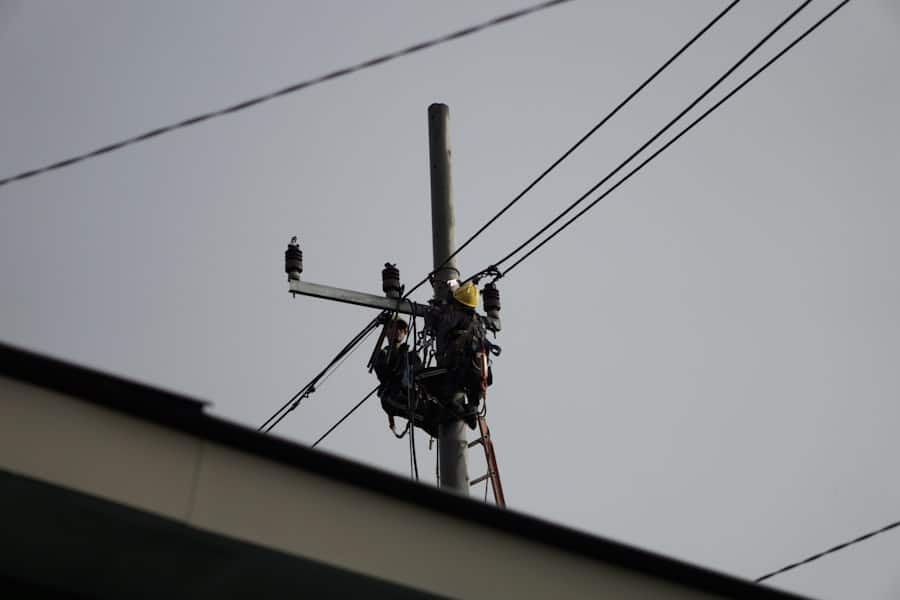
Experience and expertise play a pivotal role in determining electrician rates. Electricians with years of hands-on experience are often more efficient and skilled at diagnosing problems quickly, which can lead to faster project completion times. This efficiency can translate into cost savings for homeowners who are charged based on hourly rates.
Furthermore, seasoned electricians are typically more adept at navigating complex electrical systems and understanding local codes and regulations, reducing the likelihood of costly mistakes or rework. Specialization also factors into the equation; electricians who focus on specific areas such as industrial work or renewable energy installations may command higher rates due to their advanced knowledge and skills in those fields. Homeowners should consider not only the years of experience an electrician has but also their track record with similar projects.
Requesting references or reviewing past work can provide valuable insights into an electrician’s capabilities and help justify their rates.
How location and market demand impact electrician pricing
Location is a critical factor influencing electrician pricing, as labor costs and market demand can vary significantly from one region to another. In urban areas where demand for electrical services is high, electricians may charge premium rates due to increased competition and higher living costs. Conversely, in rural areas where there are fewer electricians available, rates may be lower but could also reflect limited access to specialized skills or services.
Market demand also plays a significant role in pricing dynamics. During peak seasons—such as summer months when air conditioning installations are common—electricians may raise their rates due to increased workload and demand for their services. Homeowners should be aware of these seasonal trends when planning electrical work and consider scheduling projects during off-peak times to potentially secure better rates.
Negotiating rates with electricians: tips for homeowners
Negotiating rates with electricians can be a daunting task for many homeowners; however, it is often a necessary step in ensuring fair pricing for services rendered. One effective strategy is to gather multiple quotes from different electricians before making a decision. This not only provides a benchmark for what constitutes a reasonable rate but also gives homeowners leverage when discussing pricing with their preferred electrician.
Additionally, being transparent about budget constraints can foster open communication between homeowners and electricians. Many professionals are willing to work within a specified budget by suggesting alternative solutions or adjusting the scope of work. Homeowners should also inquire about any available discounts or promotions that may apply to their project.
Building rapport with an electrician can lead to better negotiation outcomes; showing appreciation for their expertise while expressing concerns about costs can create a collaborative atmosphere conducive to reaching an agreement.
The difference between residential and commercial electrician rates
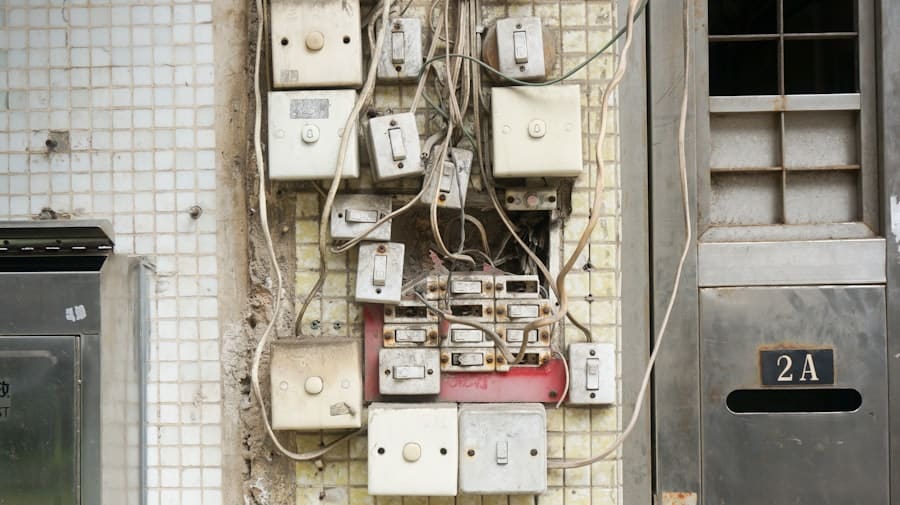
The distinction between residential and commercial electrician rates is significant and stems from various factors inherent in each type of work. Residential electrical work typically involves smaller-scale projects such as wiring homes, installing fixtures, or performing repairs on existing systems. These jobs often require less specialized equipment and can be completed in shorter timeframes, leading to lower overall costs.
In contrast, commercial electrical work usually involves larger projects that require extensive planning and coordination with other contractors. Commercial electricians often deal with complex systems that must adhere to strict safety regulations and codes, which can necessitate additional training and certification. As a result, commercial electrician rates tend to be higher than residential rates due to the increased complexity of the work involved and the potential need for specialized equipment or materials.
Additional fees to consider when hiring an electrician
When hiring an electrician, homeowners should be aware of potential additional fees that may not be included in the initial quote. Travel fees are common, especially if the electrician must travel a significant distance to reach the job site. This fee compensates for time spent traveling and can vary based on location.
Another potential cost is service call fees, which are charged when an electrician comes out to assess a problem before any work begins. This fee covers the initial consultation and diagnostic work but may not include any repairs or installations that follow. Homeowners should clarify what is included in any quoted price and ask about any additional fees upfront to avoid surprises when it comes time to settle the bill.
The value of proper licensing and insurance in electrician pricing
Proper licensing and insurance are critical components that contribute significantly to electrician pricing. Licensed electricians have undergone rigorous training and testing to ensure they possess the necessary skills and knowledge to perform electrical work safely and effectively. This certification not only protects homeowners by ensuring compliance with local codes but also provides peace of mind knowing that the work will be performed by a qualified professional.
Insurance is equally important; electricians should carry liability insurance that protects both themselves and their clients in case of accidents or damages during a project. While hiring an unlicensed or uninsured electrician may seem like a cost-saving measure initially, it poses significant risks that could lead to costly repairs or legal issues down the line. Homeowners should always verify an electrician’s licensing status and insurance coverage before hiring them, as this can ultimately save money by preventing potential liabilities.
Comparing quotes from different electricians: what to look for
When comparing quotes from different electricians, homeowners should look beyond just the bottom line figure; several factors contribute to determining value for money in electrical services. First, examine what each quote includes—some electricians may provide comprehensive packages that cover labor, materials, permits, and warranties while others may only offer basic labor costs without detailing additional expenses. Additionally, consider the reputation of each electrician by checking online reviews or asking for references from previous clients.
A slightly higher quote from a well-reviewed electrician may be worth it if it means receiving quality workmanship and reliable service. Homeowners should also inquire about timelines; understanding how long each electrician expects the project to take can help gauge whether they are providing realistic estimates based on their experience.
How to budget for electrician services and avoid unexpected costs
Budgeting for electrician services requires careful planning and consideration of various factors that could impact overall costs. Homeowners should start by obtaining multiple quotes from different electricians to establish a baseline for expected expenses based on their specific project needs. This initial research will help identify average rates in their area while allowing them to compare services offered by different professionals.
In addition to labor costs, homeowners should factor in potential material expenses as well as any additional fees discussed earlier in this article. Setting aside a contingency fund—typically around 10-20% of the total estimated cost—can provide financial flexibility in case unexpected issues arise during the project that require additional work or materials. By taking these proactive steps in budgeting for electrical services, homeowners can minimize surprises while ensuring they receive quality workmanship without breaking the bank.
When considering what electricians should charge, it’s also important to understand the various factors that can impact these rates. For instance, the condition of existing electrical systems can play a significant role in pricing. You can read more about this in our article on how water can damage electrical wiring, which highlights the potential costs associated with repairs and maintenance in compromised situations.
FAQs
What factors influence how much electricians charge?
Electricians’ charges are influenced by factors such as the complexity of the job, the electrician’s experience and qualifications, geographic location, the time required to complete the work, and whether the job requires emergency or after-hours service.
Do electricians charge by the hour or by the job?
Electricians may charge either by the hour or by a flat rate for specific jobs. Hourly rates are common for troubleshooting and repairs, while flat rates are often used for standard installations or routine maintenance.
What is the average hourly rate for an electrician?
The average hourly rate for an electrician typically ranges from $50 to $100 per hour, but this can vary widely depending on location, experience, and the nature of the work.
Are there additional costs besides the electrician’s labor charge?
Yes, additional costs may include materials, permits, travel fees, and any specialized equipment needed for the job. These should be discussed and agreed upon before work begins.
Is it better to hire a licensed electrician even if they charge more?
Yes, hiring a licensed electrician is recommended because they have the proper training, certifications, and insurance to ensure the work is safe and up to code, which can prevent costly issues in the future.
How can I get an accurate estimate from an electrician?
To get an accurate estimate, provide detailed information about the work needed, request a written quote, and ask if the estimate includes all potential costs such as materials and permits.
Do electricians offer warranties or guarantees on their work?
Many electricians offer warranties or guarantees on their workmanship and the materials they install. It is important to ask about these policies before hiring.
Can I negotiate the price with an electrician?
While some electricians may be open to negotiation, especially for larger projects, it is important to balance cost with quality and safety. Always ensure that any agreed-upon price is documented in writing.