
Electrical emergencies occur without warning and present serious threats to property and human safety. Common causes include defective wiring, aging electrical infrastructure, power surges, overloaded circuits, and weather-related incidents such as lightning strikes or flooding. These situations require immediate attention due to the inherent dangers of electrical systems.
Electrical emergencies can escalate rapidly due to the interconnected nature of electrical components. A minor fault in one area can trigger cascading failures throughout the system, potentially resulting in fires, electrocution, or extensive property damage. Early recognition of warning signs—such as burning odors, sparking outlets, flickering lights, or tripped circuit breakers—is essential for preventing serious incidents.
The consequences of electrical emergencies extend beyond immediate safety concerns. Property damage from electrical fires can result in significant repair costs, insurance claims, and temporary relocation. Business operations may be disrupted, leading to financial losses and potential liability issues.
Additionally, electrical incidents can cause data loss in electronic systems and damage to sensitive equipment. This analysis examines common types of electrical emergencies, their underlying causes, potential impacts, and recommended response procedures. Understanding these factors enables property owners to implement appropriate safety measures and respond effectively when emergencies occur.
Key Takeaways
- Electrical emergencies include power outages, fires, shocks, and malfunctioning appliances.
- Overloaded circuits and sparking outlets are common hazards that require immediate attention.
- Flickering lights and burning smells can indicate serious electrical problems.
- Water exposure near electrical sources significantly increases the risk of shock and fire.
- Always know when to call emergency electrical services to ensure safety and prevent damage.
Power Outages
Power outages are one of the most common electrical emergencies that individuals and businesses encounter. They can occur due to a variety of reasons, including severe weather conditions, equipment failures, or even human error. For instance, during a heavy storm, high winds can bring down power lines, leading to widespread outages.
Similarly, a transformer failure at a local substation can disrupt electricity supply to an entire neighborhood. The unpredictability of power outages makes them particularly challenging, as they can happen at any time and often without warning. The impact of a power outage can be far-reaching.
In residential settings, it can disrupt daily activities such as cooking, heating, and cooling. For businesses, especially those reliant on technology and machinery, a power outage can halt operations entirely, leading to financial losses. Additionally, prolonged outages can pose health risks, particularly for individuals who rely on electrically powered medical devices.
In such cases, having a backup power source, like a generator, can be invaluable. It is essential for individuals and businesses to have contingency plans in place to address power outages effectively.
Electrical Fires
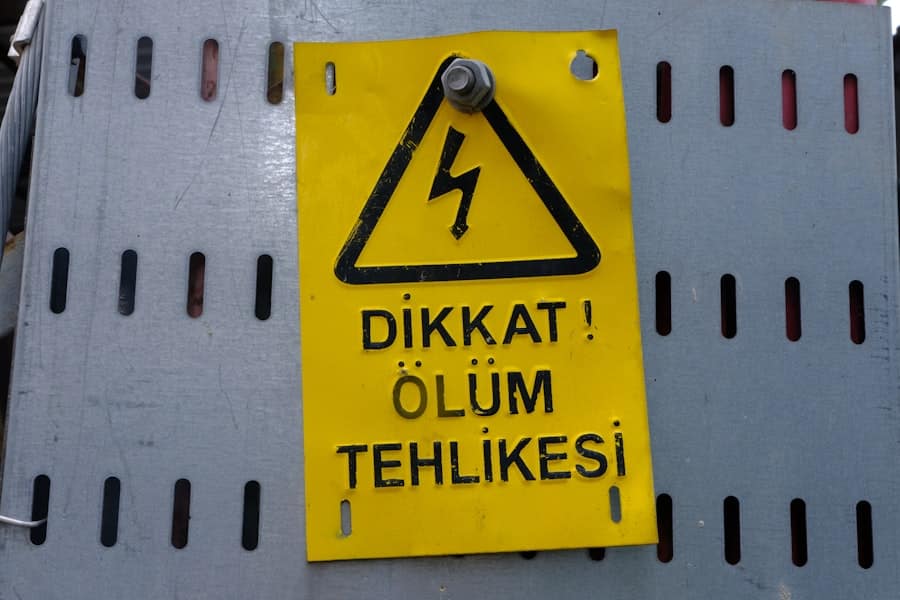
Electrical fires are among the most dangerous types of electrical emergencies due to their potential for rapid escalation. These fires often originate from faulty wiring, overloaded circuits, or malfunctioning appliances. According to the National Fire Protection Association (NFPA), electrical failures or malfunctions are responsible for approximately 51,000 reported home fires each year in the United States alone.
The consequences of such fires can be devastating, resulting in property loss and even loss of life. Preventing electrical fires requires vigilance and proactive measures. Homeowners should regularly inspect their wiring and electrical systems for signs of wear or damage.
This includes checking for frayed wires, loose connections, or any unusual heat emanating from outlets or appliances. Additionally, using surge protectors and avoiding overloading circuits can significantly reduce the risk of electrical fires. In the event of an electrical fire, it is crucial to prioritize safety by evacuating the premises immediately and calling emergency services rather than attempting to extinguish the fire oneself.
Overloaded Circuits
Overloaded circuits are a common cause of electrical emergencies that often go unnoticed until it is too late. An overloaded circuit occurs when too much electricity flows through a circuit, exceeding its capacity. This situation can arise from plugging in too many devices into a single outlet or using high-wattage appliances on circuits that are not designed to handle them.
The result can be overheating wires, tripped breakers, or even electrical fires if the situation is not addressed promptly. To prevent circuit overloads, it is essential to understand the capacity of your electrical system and distribute your power usage accordingly. Homeowners should familiarize themselves with their circuit breaker panel and know which appliances are connected to which circuits.
Using power strips with built-in circuit breakers can also help manage multiple devices safely. If frequent tripping occurs or if there are signs of overheating in outlets or switches, it may be time to consult a licensed electrician to evaluate the system and make necessary upgrades.
Malfunctioning Appliances
| Electrical Issue | Description | Why It’s an Emergency | Recommended Action |
|---|---|---|---|
| Electrical Fire | Fire caused by faulty wiring, overloaded circuits, or electrical equipment. | Immediate danger to life and property due to fire risk. | Evacuate immediately and call emergency services. |
| Exposed or Sparking Wires | Wires that are visible, damaged, or producing sparks. | Risk of electric shock or fire. | Turn off power at the breaker and call a licensed electrician. |
| Power Outage with Burning Smell | Loss of power accompanied by a smell of burning plastic or rubber. | Indicates possible electrical short or fire hazard. | Do not restore power; call emergency electrician immediately. |
| Repeated Circuit Breaker Trips | Frequent tripping of breakers when using appliances or lights. | Sign of overloaded circuits or faulty wiring that can cause fire. | Unplug devices and contact an electrician promptly. |
| Electric Shock | Experiencing shock when touching appliances or outlets. | Indicates faulty wiring or grounding issues posing serious risk. | Stop using affected devices and seek professional help immediately. |
| Burning or Melting Outlets | Outlets or switches that feel hot or show signs of melting. | Potential fire hazard due to overheating. | Turn off power and call an electrician immediately. |
Malfunctioning appliances represent another significant category of electrical emergencies that can lead to hazardous situations. Appliances such as refrigerators, microwaves, and washing machines are integral to daily life but can become dangerous when they fail to operate correctly. Common issues include short circuits, overheating components, or damaged cords that can lead to sparks or even fires.
For example, a malfunctioning toaster may produce smoke or emit an unusual odor when plugged in, indicating an internal fault that could escalate into a fire hazard. Regular maintenance and inspection of household appliances are vital in preventing emergencies related to malfunctioning devices. Homeowners should be vigilant about any unusual sounds or smells emanating from their appliances and should not hesitate to unplug them if something seems amiss.
Additionally, following manufacturer guidelines for usage and maintenance can prolong the life of appliances and reduce the risk of malfunctions. In cases where an appliance shows persistent issues despite troubleshooting efforts, seeking professional repair services is advisable to ensure safety.
Sparking Outlets
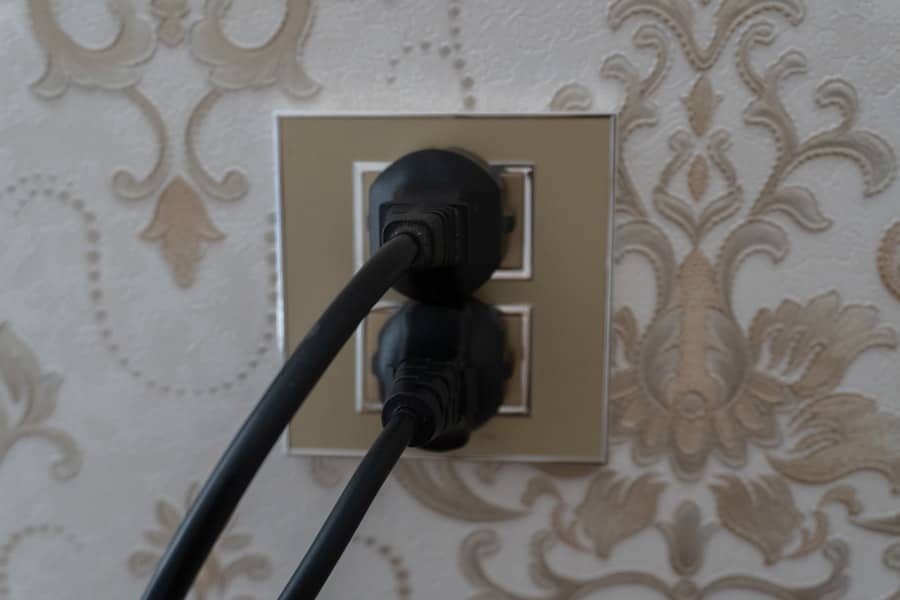
Sparking outlets are alarming indicators of potential electrical emergencies that should never be ignored. When an outlet sparks upon plugging in a device or when it is used frequently without any apparent reason for concern, it may signal underlying issues such as loose wiring or damaged components within the outlet itself. Such sparks can ignite nearby flammable materials or lead to electrical fires if not addressed promptly.
To mitigate the risks associated with sparking outlets, homeowners should conduct regular inspections of their electrical systems. If an outlet consistently sparks or shows signs of discoloration or melting around its edges, it is crucial to cease using it immediately and consult a qualified electrician for evaluation and repair. Additionally, ensuring that outlets are not overloaded with multiple devices can help prevent overheating and reduce the likelihood of sparking incidents.
Electrical Shocks
Electrical shocks are one of the most immediate dangers associated with electrical emergencies and can occur in various situations. They happen when a person comes into contact with an electrical source that causes current to flow through their body. The severity of an electrical shock can range from mild tingling sensations to severe injuries or even fatalities depending on factors such as voltage levels and the duration of contact.
Common scenarios leading to electrical shocks include using faulty appliances, working on live circuits without proper precautions, or even standing in water while using electrical devices. To prevent electrical shocks, it is essential to practice safety measures when handling electrical equipment. This includes wearing rubber-soled shoes when working on wet surfaces and ensuring that hands are dry before touching any electrical devices.
Installing Ground Fault Circuit Interrupters (GFCIs) in areas prone to moisture—such as kitchens and bathrooms—can provide an additional layer of protection by cutting off power when a ground fault is detected. In case of an electrical shock incident, immediate medical attention should be sought regardless of perceived severity.
Flickering Lights
Flickering lights may seem like a minor annoyance; however, they can indicate more serious underlying issues within an electrical system. Common causes include loose bulbs or connections but may also point to overloaded circuits or problems with the wiring itself. For instance, if multiple lights flicker simultaneously when high-wattage appliances are used, it could suggest that the circuit is struggling to handle the load effectively.
Addressing flickering lights involves a careful examination of both the fixtures and the overall electrical system. Homeowners should start by checking light bulbs for proper installation and ensuring they are compatible with the fixtures in use. If flickering persists despite these checks, it may be necessary to consult an electrician who can assess the wiring and circuit load more comprehensively.
Ignoring flickering lights could lead to more significant issues down the line if they stem from deeper electrical problems.
Burning Smell
A burning smell emanating from electrical outlets or appliances is one of the most alarming signs of an impending electrical emergency. This odor often indicates overheating wires or components that could potentially ignite a fire if left unchecked. The smell may resemble burnt plastic or rubber and is typically accompanied by other warning signs such as flickering lights or tripped breakers.
When encountering a burning smell related to electricity, immediate action is crucial for safety. The first step is to unplug any devices that may be causing the issue while ensuring personal safety by avoiding direct contact with potentially faulty equipment. If the smell persists after unplugging devices or if there are visible signs of smoke or heat from outlets, evacuating the area and contacting emergency services is imperative.
A licensed electrician should then be called in to investigate the source of the burning smell and perform necessary repairs.
Water and Electricity
The combination of water and electricity creates one of the most dangerous scenarios in terms of electrical emergencies. Water is an excellent conductor of electricity; therefore, any exposure between water sources—such as leaks or flooding—and electrical systems poses significant risks for shock hazards and short circuits. For example, if water seeps into outlets or wiring systems during heavy rain or flooding events, it can create conditions ripe for electrocution.
To mitigate risks associated with water exposure in electrical systems, homeowners should ensure that all outlets in moisture-prone areas are equipped with GFCIs that automatically cut off power when water is detected. Regular inspections for leaks around plumbing fixtures and roofs can also help prevent water from coming into contact with electrical systems. In cases where water damage has occurred near electrical installations, it is essential to consult professionals who specialize in both plumbing and electrical work to address potential hazards safely.
When to Call for Emergency Electrical Services
Recognizing when to call for emergency electrical services is critical in managing potential hazards effectively. Homeowners should not hesitate to seek professional assistance when faced with any signs of electrical emergencies—be it flickering lights, sparking outlets, or burning smells—as these situations often require immediate attention from qualified electricians who possess the expertise needed to diagnose and resolve complex issues safely. In addition to addressing immediate concerns, establishing a relationship with a reliable emergency electrician can provide peace of mind for homeowners who may face future electrical challenges.
Regular maintenance checks by professionals can help identify potential problems before they escalate into emergencies, ensuring that homes remain safe and functional over time. Ultimately, being proactive about electrical safety not only protects property but also safeguards lives against the unpredictable nature of electrical emergencies.
When dealing with electrical issues, it’s crucial to recognize which problems constitute an emergency. Common emergencies include exposed wiring, frequent circuit breaker trips, and burning smells, all of which can pose serious safety risks. For homeowners looking to enhance their electrical safety, understanding the benefits of smart home wiring can be invaluable. You can learn more about this in the article The Benefits of Wiring Your Home as a Smart Home.
FAQs
What electrical issues are considered emergencies?
Electrical emergencies typically include exposed or sparking wires, electrical shocks, burning smells or smoke from outlets or appliances, power outages affecting safety systems, and electrical fires. These situations require immediate attention to prevent injury or property damage.
Is a power outage always an electrical emergency?
Not always. While power outages can be inconvenient, they become emergencies if they affect critical systems like medical devices, security alarms, or if they are caused by electrical faults such as downed power lines or sparking equipment.
What should I do if I see sparks or smoke from an electrical outlet?
If you notice sparks or smoke, immediately turn off the power at the circuit breaker if it is safe to do so, avoid using the outlet, and call a licensed electrician or emergency services to inspect and repair the issue.
Are electrical shocks considered emergencies?
Yes. Any electrical shock, especially if it causes injury, loss of consciousness, or muscle spasms, should be treated as an emergency. Seek medical attention immediately and disconnect the power source if possible.
When should I call an electrician immediately?
Call an electrician immediately if you experience sparking outlets, burning smells, flickering lights, frequent circuit breaker trips, or any signs of electrical fire. These issues indicate serious problems that could lead to hazards.
Can water and electricity together create an emergency?
Yes. Water in contact with electrical outlets, appliances, or wiring can cause short circuits, shocks, or fires. If water exposure occurs, turn off the power supply and contact a professional electrician promptly.
Is it safe to try fixing electrical emergencies myself?
No. Electrical emergencies can be dangerous and should only be handled by qualified electricians. Attempting repairs without proper knowledge and tools can result in injury or worsen the problem.
What are the signs of an electrical fire emergency?
Signs include smoke or burning smells near electrical devices, flickering or dimming lights, buzzing sounds from outlets, and visible sparks. If an electrical fire starts, use a Class C fire extinguisher if safe, and call emergency services immediately.