

The journey to becoming a qualified electrician begins with rigorous training and certification. Aspiring electricians typically enroll in vocational schools or community colleges, where they undergo a combination of classroom instruction and hands-on training. These programs cover essential topics such as electrical theory, circuitry, and safety protocols.
In many regions, completing an accredited program is a prerequisite for obtaining a license. This formal education lays the groundwork for understanding complex electrical systems and prepares students for the challenges they will face in the field. After completing their educational requirements, candidates must often participate in an apprenticeship program.
This phase is crucial as it provides real-world experience under the supervision of licensed electricians. Apprenticeships can last anywhere from three to five years, during which individuals learn about installation, maintenance, and repair of electrical systems. They also gain insights into troubleshooting techniques and customer service skills.
Upon successful completion of the apprenticeship, candidates are eligible to take the licensing exam, which tests their knowledge of electrical codes, safety practices, and practical skills.
Key Takeaways
- Proper training and certification are essential for qualified electricians.
- Understanding the scope of work and specialization ensures the right expertise for each job.
- Compliance with safety regulations and electrical codes is critical for safe installations.
- Using appropriate tools and equipment enhances efficiency and quality of work.
- Clear warranty terms, insurance coverage, and availability impact customer trust and service reliability.
Scope of Work
The scope of work for electricians is vast and varied, encompassing a wide range of tasks that cater to both residential and commercial needs. Electricians are responsible for installing, maintaining, and repairing electrical systems, which can include wiring, lighting fixtures, circuit breakers, and more. In residential settings, they may be called upon to install new outlets, upgrade electrical panels, or troubleshoot issues such as flickering lights or tripped breakers.
Each task requires a keen understanding of electrical systems and adherence to safety standards. In commercial environments, electricians often work on larger-scale projects that may involve complex wiring systems and high-voltage equipment. They may be tasked with installing lighting systems in office buildings, setting up electrical infrastructure for manufacturing plants, or ensuring that emergency systems are operational in public facilities.
The scope of work also extends to outdoor installations, such as street lighting and power supply for outdoor events. This diversity in tasks not only showcases the versatility of electricians but also highlights the importance of their role in ensuring safe and efficient electrical systems across various settings.
Specialization

Within the field of electrical work, specialization plays a significant role in defining an electrician’s career path. Electricians may choose to focus on specific areas such as residential wiring, commercial installations, industrial systems, or renewable energy technologies like solar panel installation. Each specialization requires a unique set of skills and knowledge tailored to the specific demands of that sector.
For instance, residential electricians must be adept at understanding the needs of homeowners and navigating local building codes, while industrial electricians often work with heavy machinery and complex control systems. Specialization not only enhances an electrician’s expertise but also allows them to command higher rates for their services. For example, electricians who specialize in renewable energy may find themselves in high demand as more homeowners and businesses seek sustainable energy solutions.
Additionally, specialized training programs and certifications can further distinguish electricians in a competitive market. By honing their skills in a particular area, electricians can position themselves as experts, attracting clients who require specific services that general electricians may not provide.
Electrical Knowledge
A comprehensive understanding of electrical principles is fundamental to the work of any electrician. This knowledge encompasses various aspects of electricity, including Ohm’s Law, circuit design, and the behavior of different materials under electrical load. Electricians must be well-versed in how electricity flows through circuits and how to calculate voltage, current, and resistance to ensure safe and efficient installations.
This foundational knowledge is critical when diagnosing issues or designing new electrical systems. Moreover, electricians must stay updated on advancements in technology and changes in electrical codes. The field is constantly evolving with new materials, tools, and techniques that enhance efficiency and safety.
For instance, the rise of smart home technology has introduced new challenges and opportunities for electricians who must understand how to integrate these systems into existing electrical frameworks. Continuous education through workshops, seminars, and online courses is essential for electricians to maintain their expertise and adapt to industry trends.
Safety Regulations
| Aspect | Electrician | Handyman |
|---|---|---|
| Primary Focus | Electrical systems, wiring, circuits, and electrical repairs | General home repairs and maintenance across various trades |
| Training & Certification | Requires formal training, licensing, and certification | No formal licensing required; skills vary widely |
| Scope of Work | Specialized in electrical installations, troubleshooting, and safety compliance | Handles minor repairs like painting, carpentry, plumbing, and small electrical tasks |
| Safety Regulations | Must adhere to strict electrical codes and safety standards | Generally not bound by specific trade regulations |
| Typical Jobs | Wiring new outlets, fixing circuit breakers, installing lighting fixtures | Fixing leaky faucets, assembling furniture, patching drywall |
| Cost | Usually higher due to specialized skills and licensing | Typically lower, but varies by task complexity |
| Tools Used | Multimeter, wire strippers, conduit benders, voltage testers | General hand tools like hammers, screwdrivers, drills, wrenches |
Safety regulations are paramount in the field of electrical work due to the inherent risks associated with handling electricity. Electricians must adhere to strict guidelines set forth by organizations such as the National Fire Protection Association (NFPA) and the Occupational Safety and Health Administration (OSHA). These regulations cover various aspects of electrical work, including proper grounding techniques, use of personal protective equipment (PPE), and safe handling of tools and materials.
Compliance with safety regulations not only protects electricians but also ensures the safety of clients and the general public. For example, when working on residential projects, electricians must follow local building codes that dictate how wiring should be installed to prevent hazards such as electrical fires or electrocution. Regular safety training sessions are essential for keeping electricians informed about best practices and emerging safety technologies.
By prioritizing safety regulations, electricians can minimize risks and foster a culture of safety within their work environments.
Tools and Equipment
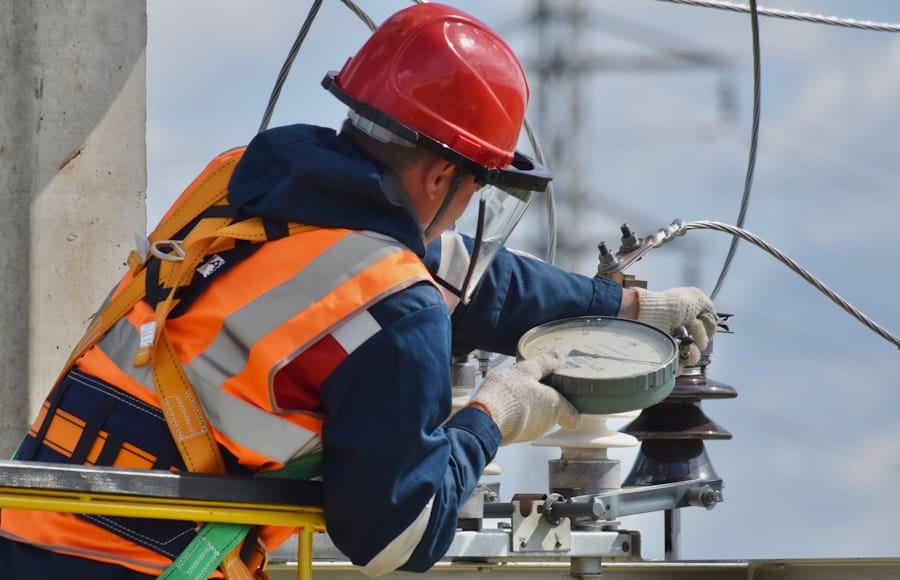
The tools and equipment used by electricians are critical to their ability to perform tasks efficiently and safely. A well-equipped electrician’s toolkit typically includes a variety of hand tools such as pliers, wire strippers, screwdrivers, and wrenches designed specifically for electrical work. Additionally, power tools like drills and saws are essential for tasks that require cutting or drilling into walls or ceilings to install wiring or fixtures.
In recent years, advancements in technology have led to the development of specialized equipment that enhances an electrician’s capabilities. For instance, multimeters are indispensable for measuring voltage, current, and resistance in circuits. Thermal imaging cameras allow electricians to detect overheating components without direct contact, providing a safer method for troubleshooting issues.
Furthermore, personal protective equipment such as insulated gloves and hard hats are vital for ensuring safety while working in potentially hazardous environments. The right tools not only improve efficiency but also contribute to the overall quality of work performed by electricians.
Cost and Pricing
Determining the cost of electrical services can be complex due to various factors that influence pricing structures. Electricians typically charge based on an hourly rate or a flat fee for specific services. Hourly rates can vary significantly depending on geographic location, level of expertise, and the complexity of the job at hand.
For instance, urban areas may see higher rates due to increased demand for skilled labor compared to rural regions. In addition to labor costs, materials play a significant role in overall pricing. The type of materials used—such as wiring gauge, circuit breakers, or lighting fixtures—can impact the final bill considerably.
Electricians often provide estimates that outline labor costs alongside material expenses to give clients a clear understanding of what they can expect to pay. Transparency in pricing is crucial for building trust with clients; therefore, many electricians strive to provide detailed quotes that account for all potential costs associated with a project.
Insurance and Liability
Insurance is a critical aspect of operating as an electrician due to the potential risks involved in electrical work. Most electricians carry liability insurance to protect themselves against claims arising from accidents or damages that may occur during a project. This coverage is essential not only for safeguarding the electrician’s financial interests but also for providing peace of mind to clients who may be concerned about potential mishaps.
In addition to liability insurance, many electricians also invest in workers’ compensation insurance. This type of coverage protects employees in case they sustain injuries while on the job. Given the physical nature of electrical work—often involving heavy lifting or working at heights—having adequate insurance coverage is vital for both employers and employees alike.
Clients often inquire about insurance before hiring an electrician; thus, being properly insured can enhance an electrician’s credibility and attract more business.
Code Compliance
Adhering to local building codes is a fundamental responsibility for electricians that ensures safety and legality in all electrical installations. Building codes are established by local governments or regulatory bodies to set minimum standards for construction practices within a jurisdiction. Electricians must be familiar with these codes as they dictate how electrical systems should be designed and installed.
Failure to comply with code requirements can lead to serious consequences including fines, project delays, or even legal action if an installation results in damage or injury. Electricians often undergo continuing education to stay informed about changes in codes and regulations that may affect their work. Additionally, many jurisdictions require inspections by licensed officials before finalizing any electrical installation; this process serves as an additional layer of assurance that all work meets established standards.
Warranty and Guarantees
Warranties and guarantees are important considerations for both electricians and their clients as they provide assurance regarding the quality of workmanship and materials used in electrical projects. Many reputable electricians offer warranties on their services that cover defects in workmanship for a specified period after completion. This commitment reflects confidence in their skills while also protecting clients from potential issues that may arise post-installation.
In addition to service warranties, guarantees on materials used—such as lighting fixtures or circuit breakers—are also common practice within the industry. Manufacturers often provide warranties on their products that cover defects or failures under normal usage conditions. When electricians use high-quality materials backed by solid warranties, it enhances their reputation while ensuring clients receive reliable solutions that stand the test of time.
Availability and Accessibility
The availability and accessibility of electricians can significantly impact project timelines and client satisfaction levels. Many electricians operate on flexible schedules to accommodate client needs; this may include evening or weekend appointments for residential projects where homeowners may not be available during regular business hours. Prompt response times are crucial in emergency situations where immediate repairs are necessary—such as restoring power after an outage or addressing hazardous wiring issues.
Accessibility also extends beyond scheduling; it encompasses communication methods as well. Electricians who utilize modern technology—such as online booking systems or mobile apps—can streamline appointment scheduling while enhancing client engagement throughout the process. Additionally, providing clear channels for communication allows clients to ask questions or express concerns before, during, or after a project is completed.
By prioritizing availability and accessibility, electricians can foster positive relationships with clients while ensuring efficient service delivery.
When considering the differences between an electrician and a handyman, it’s important to understand the specific skills and services each professional offers. For instance, while a handyman may handle a variety of general repairs and maintenance tasks, an electrician specializes in electrical systems and wiring. If you’re interested in learning more about electrical services, you might find this article on [Bonita Springs Electrician and Air Conditioning](https://infinitefl.com/bonita-springs-electrician-air-conditioning/) particularly helpful.
FAQs
What is the primary role of an electrician?
An electrician specializes in electrical systems, including installation, maintenance, and repair of wiring, lighting, circuit breakers, and other electrical components in residential, commercial, and industrial settings.
What tasks does a handyman typically perform?
A handyman handles a variety of general home repair and maintenance tasks such as plumbing, carpentry, painting, minor electrical work, and other small household fixes.
Are electricians licensed professionals?
Yes, electricians are usually required to be licensed and certified, which involves formal training, apprenticeships, and passing exams to ensure they meet safety and technical standards.
Do handymen require licenses?
Licensing requirements for handymen vary by location and the type of work performed. Generally, handymen do not need a license for minor repairs but may need one for specialized or larger projects.
Can a handyman perform electrical work?
Handymen can perform minor electrical tasks such as changing light fixtures or replacing switches, but they should not handle complex electrical installations or repairs that require a licensed electrician.
When should I hire an electrician instead of a handyman?
Hire an electrician for any work involving electrical wiring, circuit breakers, panel upgrades, or when local laws require licensed electrical work to ensure safety and code compliance.
Is it more expensive to hire an electrician than a handyman?
Typically, electricians charge higher rates due to their specialized skills, training, and licensing requirements, whereas handymen usually charge less for general maintenance and minor repairs.
Can both electricians and handymen work on home improvement projects?
Yes, both can contribute to home improvement projects, but electricians focus on electrical components, while handymen handle a broader range of tasks that may not involve specialized electrical work.
What safety considerations differentiate electricians from handymen?
Electricians are trained to handle electrical hazards safely and comply with electrical codes, reducing the risk of fire or injury, whereas handymen may lack the specialized knowledge to safely perform complex electrical tasks.
How do I verify the qualifications of an electrician or handyman?
For electricians, check for valid licenses, certifications, and insurance. For handymen, verify references, experience, and any local permits or registrations required for their work.