
Circuit breakers are essential components of modern electrical systems, serving as safety devices designed to protect electrical circuits from damage caused by overloads or faults. When a circuit breaker trips, it interrupts the flow of electricity, preventing potential hazards such as electrical fires or equipment damage. Understanding the mechanics behind circuit breaker tripping is crucial for homeowners and professionals alike, as it can help in diagnosing issues and ensuring the safety and efficiency of electrical systems.
The tripping mechanism is typically triggered by an internal switch that responds to excessive current flow, which can occur for various reasons. The importance of circuit breakers cannot be overstated; they are the first line of defense in safeguarding both people and property from electrical hazards. When a breaker trips, it indicates that something is amiss within the electrical system, prompting an investigation into the underlying cause.
This article delves into the common causes of circuit breaker tripping, providing insights into overloaded circuits, short circuits, ground faults, and more. By understanding these factors, individuals can take proactive measures to maintain their electrical systems and minimize the risk of future tripping incidents.
Key Takeaways
- Circuit breakers trip to protect electrical circuits from damage caused by overloads, short circuits, or ground faults.
- Overloaded circuits and faulty appliances are common causes of circuit breaker tripping.
- Aging or defective circuit breakers can also lead to frequent trips and may need replacement.
- Troubleshooting involves identifying the cause by checking appliances, wiring, and breaker condition.
- Preventive measures and timely professional help can reduce the risk of circuit breaker issues.
Common Causes of Circuit Breaker Tripping
Circuit breaker tripping can occur due to a variety of reasons, each with its own implications for electrical safety and functionality. One of the most prevalent causes is an overloaded circuit, which happens when too many devices draw power from a single circuit beyond its rated capacity. This situation can lead to overheating and potential fire hazards if not addressed promptly.
Another common cause is a short circuit, which occurs when a live wire comes into contact with a neutral wire or ground, creating a low-resistance path that allows excessive current to flow. This scenario can result in significant damage to electrical components and poses serious safety risks. Ground faults are also a significant contributor to circuit breaker tripping.
A ground fault occurs when an electrical current escapes its intended path and flows directly to the ground, often through a person or conductive material. This situation can be particularly dangerous, as it increases the risk of electric shock. Aging or faulty circuit breakers may also lead to frequent tripping, as their internal mechanisms can degrade over time, making them less reliable in detecting actual faults.
Understanding these common causes is essential for effective troubleshooting and prevention strategies.
Overloaded Circuits
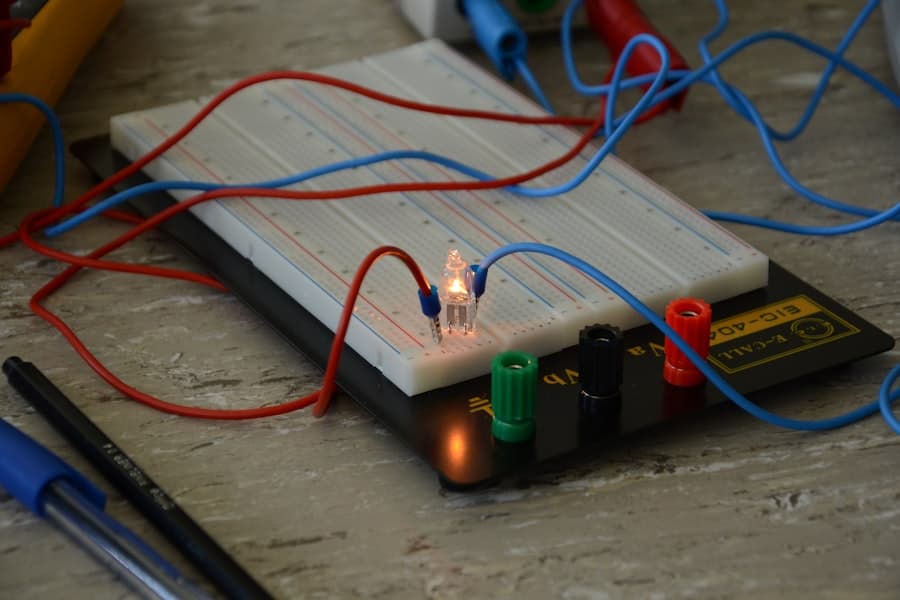
Overloaded circuits are one of the most frequent culprits behind circuit breaker tripping. An overload occurs when the total current drawn by devices connected to a circuit exceeds the circuit’s rated capacity, typically measured in amperes. For instance, if a circuit is rated for 15 amps and multiple high-wattage appliances are plugged into it—such as space heaters, microwaves, or hair dryers—the cumulative demand can surpass the safe limit.
This excess current generates heat within the wiring and the breaker itself, prompting the breaker to trip as a protective measure. To illustrate this further, consider a scenario where a homeowner uses several devices in a single room: a computer, a printer, and a space heater. If all these devices are running simultaneously on a 15-amp circuit, the total load may approach or exceed the circuit’s capacity, leading to tripping.
To mitigate this issue, it is advisable to distribute high-wattage appliances across multiple circuits or upgrade existing circuits to handle higher loads. Additionally, using power strips with built-in overload protection can help manage device connections more safely.
Short Circuits
Short circuits represent another critical cause of circuit breaker tripping and are often more dangerous than overloaded circuits. A short circuit occurs when there is an unintended connection between two conductors—typically a live wire and a neutral wire—allowing electricity to flow along an unintended path with minimal resistance. This sudden surge in current can generate intense heat, potentially leading to electrical fires or damaging connected devices.
The circuit breaker detects this abnormal current flow and trips almost instantaneously to prevent further damage. For example, if a frayed wire in an appliance touches another wire or metal surface, it can create a short circuit. In such cases, the breaker will trip immediately upon detecting the surge in current.
Identifying short circuits often requires careful inspection of wiring and devices for signs of wear or damage. Homeowners should be vigilant about maintaining their electrical systems and addressing any visible issues promptly to avoid dangerous situations.
Ground Faults
| Possible Cause | Description | Common Symptoms | Recommended Action |
|---|---|---|---|
| Overloaded Circuit | Too many devices or appliances drawing power on the same circuit. | Breaker trips when multiple devices are used simultaneously. | Reduce the number of devices or redistribute load to other circuits. |
| Short Circuit | Faulty wiring or damaged appliance causing a direct connection between hot and neutral wires. | Breaker trips immediately when a specific device or outlet is used. | Inspect wiring and appliances; repair or replace faulty components. |
| Ground Fault | Unintended connection between hot wire and ground. | Breaker trips when using certain outlets, especially in wet areas. | Use Ground Fault Circuit Interrupter (GFCI) outlets and check wiring. |
| Faulty Breaker | Breaker itself is worn out or defective. | Breaker trips without apparent cause or under normal load. | Replace the breaker with a new one. |
| Wiring Issues | Loose connections, damaged insulation, or degraded wiring. | Intermittent tripping or flickering lights. | Have a licensed electrician inspect and repair wiring. |
Ground faults are particularly hazardous occurrences that can lead to circuit breaker tripping. A ground fault happens when electrical current escapes its intended path and flows directly to the ground or through a person who inadvertently becomes part of the circuit. This situation is especially dangerous in wet environments where moisture can facilitate electrical conduction, increasing the risk of electric shock.
Ground fault circuit interrupters (GFCIs) are specifically designed to detect these faults and trip quickly to protect individuals from harm. Consider a scenario where someone uses an electric lawnmower in damp grass; if the mower’s wiring is damaged and current leaks into the ground, it poses a severe risk of shock. GFCIs are commonly installed in areas like bathrooms, kitchens, and outdoor outlets where ground faults are more likely to occur.
Regular testing of GFCIs is essential to ensure they function correctly; pressing the “test” button should cause the outlet to trip immediately. Homeowners should also be aware of any signs of ground faults, such as frequent tripping of GFCIs or unusual sensations when touching appliances.
Aging or Faulty Circuit Breakers
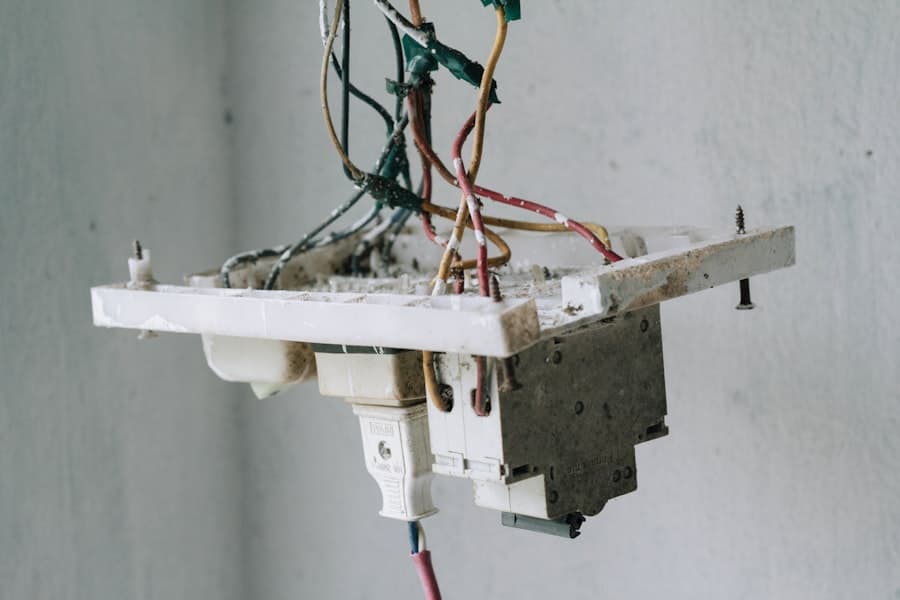
As with any mechanical device, circuit breakers can age over time and may become less reliable due to wear and tear. An aging or faulty circuit breaker may trip more frequently than necessary, even when there is no apparent overload or fault in the system. This issue can arise from internal corrosion, weakened springs, or other mechanical failures that compromise the breaker’s ability to function correctly.
In some cases, older breakers may not be able to handle modern electrical loads due to advancements in technology and increased power demands. For instance, homes built several decades ago may have circuit breakers that were designed for lower amperage loads compared to today’s standards. If these breakers are still in use without upgrades to accommodate newer appliances and devices, they may trip frequently under normal operating conditions.
Homeowners should consider having their electrical systems evaluated by professionals who can recommend necessary upgrades or replacements for aging breakers to ensure safety and reliability.
Electrical Appliances and Devices
The appliances and devices used within a home play a significant role in determining how often circuit breakers trip. Many modern appliances consume substantial amounts of electricity; therefore, understanding their power requirements is crucial for managing electrical loads effectively. For example, large appliances such as refrigerators, washing machines, and air conditioning units often require dedicated circuits due to their high power consumption.
If these appliances share circuits with other devices that draw power simultaneously, it can lead to overloads and subsequent tripping. Moreover, malfunctioning appliances can also contribute to circuit breaker issues. A faulty appliance may draw excessive current due to internal defects or wear over time, leading to frequent tripping of the associated circuit breaker.
Homeowners should regularly inspect their appliances for signs of malfunction—such as unusual noises, burning smells, or inconsistent performance—and address any issues promptly. Using appliances according to manufacturer guidelines and ensuring they are properly maintained can significantly reduce the likelihood of tripping incidents.
How to Troubleshoot a Tripping Circuit Breaker
When faced with a tripping circuit breaker, troubleshooting becomes essential for identifying the root cause of the problem. The first step is to reset the breaker by switching it back on after it has tripped; however, if it trips again immediately or shortly after resetting, further investigation is necessary. Begin by unplugging all devices connected to the affected circuit; this will help determine whether an overloaded circuit or faulty appliance is responsible for the issue.
Once all devices are disconnected, reset the breaker again. If it remains on without tripping, reconnect each appliance one at a time while monitoring the breaker’s response. If plugging in a specific device causes the breaker to trip again, that appliance may be faulty or drawing too much power for that circuit.
In contrast, if the breaker continues to trip even with all devices unplugged, it may indicate an underlying wiring issue or a problem with the breaker itself.
When to Call a Professional
While some troubleshooting steps can be performed by homeowners themselves, there are instances when calling a professional electrician becomes necessary. If repeated attempts at resetting the breaker result in continuous tripping without any identifiable cause from connected devices or appliances, it is crucial to seek expert assistance. Additionally, if there are signs of burning smells, scorch marks on outlets or switches, or any visible damage to wiring or breakers, immediate professional intervention is warranted.
Professional electricians possess specialized knowledge and tools that enable them to diagnose complex electrical issues safely and effectively. They can conduct thorough inspections of wiring systems and breakers while adhering to safety standards that protect both individuals and property from potential hazards. Moreover, if upgrades or replacements are needed—such as installing new breakers or rewiring circuits—an electrician will ensure that all work complies with local codes and regulations.
Preventing Circuit Breaker Tripping
Preventing circuit breaker tripping involves proactive measures aimed at maintaining an efficient and safe electrical system within a home or business. One effective strategy is to distribute electrical loads evenly across multiple circuits rather than relying heavily on one particular circuit for multiple high-wattage devices. Homeowners should also consider upgrading their electrical systems if they frequently experience tripping issues due to outdated wiring or insufficient capacity for modern demands.
Regular maintenance plays a vital role in preventing issues as well; this includes inspecting appliances for wear and tear and ensuring that all wiring connections are secure and free from damage. Installing surge protectors can also help safeguard against voltage spikes that could lead to tripping incidents. Furthermore, educating household members about proper usage of electrical devices—such as avoiding overloading outlets with multiple plugs—can contribute significantly to reducing risks associated with circuit breaker tripping.
Conclusion and Summary
Understanding the intricacies of circuit breaker tripping is essential for maintaining safe electrical systems in homes and businesses alike. By recognizing common causes such as overloaded circuits, short circuits, ground faults, aging breakers, and faulty appliances, individuals can take proactive steps toward troubleshooting issues effectively while minimizing risks associated with electrical hazards. Regular inspections and maintenance practices further enhance safety measures while ensuring that electrical systems remain efficient in meeting modern demands.
In summary, being informed about how various factors contribute to circuit breaker tripping empowers homeowners and professionals alike to address potential problems before they escalate into serious safety concerns. Whether through self-diagnosis or seeking professional assistance when necessary, taking action against frequent tripping incidents ultimately leads to safer living environments and more reliable electrical systems overall.
If your circuit breaker keeps tripping, it could indicate an underlying electrical issue that needs to be addressed promptly. For more insights on electrical repairs and whether your insurance might cover them, you can read this informative article on does insurance cover electrical repairs?. Understanding the potential costs and coverage can help you make informed decisions about your electrical system’s maintenance and repairs.
FAQs
What causes a circuit breaker to keep tripping?
A circuit breaker trips to protect your electrical system from damage. Common causes include overloaded circuits, short circuits, ground faults, or faulty appliances drawing excessive current.
How can I tell if the circuit breaker is overloaded?
If too many devices or appliances are running on the same circuit, the breaker may trip due to overload. You can identify this by noting if the breaker trips when multiple high-power devices are used simultaneously.
What is a short circuit, and how does it cause tripping?
A short circuit occurs when a hot wire touches a neutral or ground wire, causing a sudden surge of electricity. This surge causes the breaker to trip immediately to prevent damage or fire.
Can a faulty appliance cause the breaker to trip repeatedly?
Yes, a malfunctioning appliance can draw excessive current or cause a short circuit, leading the breaker to trip repeatedly when the appliance is in use.
Is it safe to keep resetting a tripped circuit breaker?
Repeatedly resetting a breaker without addressing the underlying issue can be unsafe. It’s important to identify and fix the cause of the tripping to prevent electrical hazards.
When should I call an electrician about a tripping breaker?
If your breaker trips frequently, especially without an obvious cause, or if you notice burning smells, sparks, or damaged outlets, you should contact a licensed electrician promptly.
Can moisture or water cause a circuit breaker to trip?
Yes, moisture or water intrusion in electrical outlets or wiring can cause ground faults, leading the breaker to trip as a safety measure.
What is the difference between a circuit breaker trip and a fuse blowing?
A circuit breaker trips by switching off automatically and can be reset, while a fuse blows by melting its internal wire and must be replaced after it interrupts the circuit.
How can I prevent my circuit breaker from tripping?
To prevent tripping, avoid overloading circuits, regularly inspect and maintain appliances, ensure proper wiring, and address any electrical issues promptly with professional help.
Does an old or faulty circuit breaker cause frequent tripping?
Yes, circuit breakers can wear out over time and may trip unnecessarily. If a breaker is old or defective, it may need to be replaced by a qualified electrician.