
Electrician hourly rates are a critical consideration for homeowners and businesses alike when planning electrical work. These rates can vary significantly based on a multitude of factors, including geographic location, the complexity of the job, and the electrician’s level of expertise. Generally, electricians charge by the hour, and this rate can encompass a wide range of services, from simple repairs to complex installations.
Understanding these rates is essential for anyone looking to hire an electrician, as it helps set realistic expectations regarding project costs. The hourly rate for electricians typically includes not just labor but also overhead costs such as insurance, tools, and transportation. In many cases, electricians may also charge a service fee for travel or for the initial consultation.
This fee can vary based on distance traveled and the time required to assess the job. Therefore, when evaluating electrician rates, it is crucial to consider both the hourly wage and any additional fees that may apply. This comprehensive understanding allows clients to make informed decisions and budget effectively for their electrical needs.
Key Takeaways
- Electrician hourly rates vary widely based on experience, location, and specialty services.
- Union electricians typically charge higher rates compared to non-union electricians.
- Additional costs beyond the hourly rate, such as materials and travel fees, should be considered when budgeting.
- Negotiating rates and researching average regional prices can help secure fair pricing.
- Investing in quality electrical work often justifies higher hourly rates due to safety and long-term reliability.
Factors that Affect Electrician Hourly Rates
Several factors influence the hourly rates charged by electricians, making it essential to consider these elements when seeking electrical services. One of the most significant factors is geographic location. Urban areas often have higher living costs, which can translate into higher hourly rates for electricians.
For instance, an electrician in New York City may charge significantly more than one in a rural area due to the increased cost of living and demand for services. Additionally, local regulations and licensing requirements can also impact rates; regions with stringent licensing processes may see higher costs as electricians invest more in compliance. Another critical factor is the complexity of the job at hand.
Simple tasks such as replacing a light fixture or installing a ceiling fan typically require less time and expertise than more complex projects like rewiring a home or installing a new electrical panel. As a result, electricians may charge lower rates for straightforward jobs while commanding higher fees for intricate work that demands specialized knowledge and skills. Furthermore, the time of year can also play a role; for example, during peak seasons when demand for electrical services surges—such as summer months when air conditioning systems are in high demand—rates may increase due to higher demand.
Average Electrician Hourly Rates in Different Regions
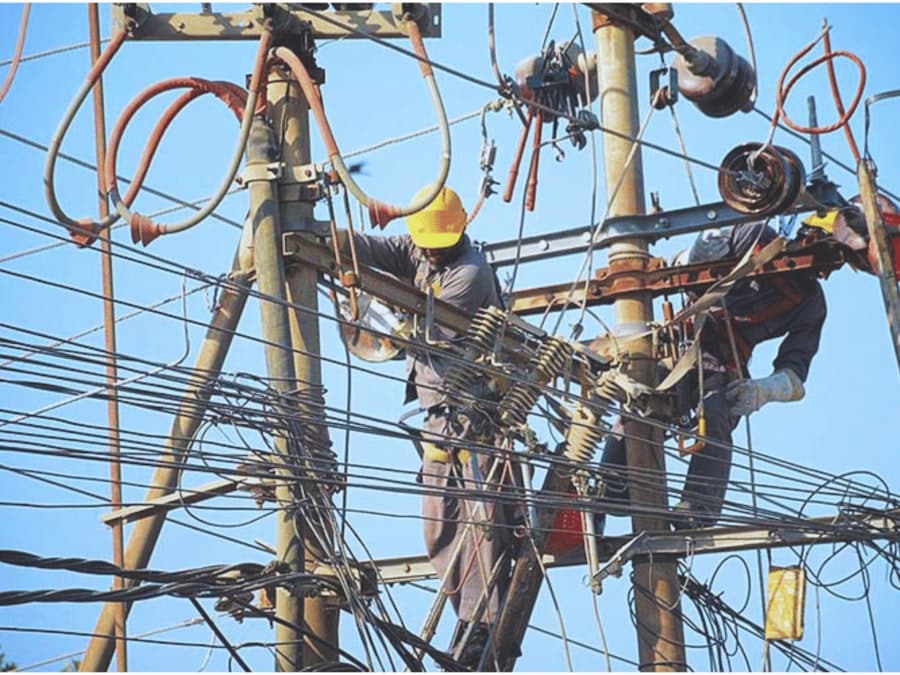
Electrician hourly rates can vary widely across different regions of the United States. According to industry surveys, the national average hourly rate for electricians hovers around $50 to $100 per hour. However, this average can fluctuate significantly based on local market conditions.
For instance, in metropolitan areas like San Francisco or Los Angeles, rates can soar to between $100 and $150 per hour due to high demand and elevated living costs. Conversely, in smaller towns or rural areas, rates may be more modest, often ranging from $30 to $60 per hour. Regional differences are not solely based on urban versus rural settings; they can also be influenced by state-specific regulations and labor markets.
For example, states with robust construction industries, such as Texas or Florida, may see competitive pricing due to a larger pool of available electricians. In contrast, states with fewer licensed professionals may experience higher rates due to limited supply. Understanding these regional variations is crucial for consumers seeking to hire electricians, as it allows them to gauge whether they are receiving a fair price based on their location.
How Electrician Experience Affects Hourly Rates
The experience level of an electrician plays a significant role in determining their hourly rate. Generally, more experienced electricians command higher fees due to their extensive knowledge and proven track record in the field. An electrician with several years of experience is likely to have encountered a wide range of issues and solutions, making them more efficient and effective at diagnosing problems and implementing fixes.
This expertise not only enhances the quality of work but also reduces the time required to complete tasks, which can ultimately save clients money in the long run. Conversely, less experienced electricians may charge lower rates as they build their skills and reputation. While hiring a novice may seem like a cost-effective option initially, it carries risks; inexperienced electricians may take longer to complete jobs or make mistakes that could lead to costly repairs down the line.
Therefore, clients must weigh the potential savings against the value of hiring an experienced professional who can deliver high-quality work efficiently. In many cases, investing in an experienced electrician can lead to better outcomes and greater peace of mind.
Specialty Services and Their Impact on Electrician Hourly Rates
| Region | Average Hourly Rate | Range | Notes |
|---|---|---|---|
| United States (National Average) | 50 | 40 – 75 | Rates vary by state and experience |
| California | 65 | 50 – 90 | Higher cost of living impacts rates |
| Texas | 45 | 35 – 60 | Generally lower than national average |
| New York | 60 | 45 – 85 | Urban areas tend to be more expensive |
| Florida | 50 | 40 – 70 | Seasonal demand can affect pricing |
| Canada (National Average) | 55 | 45 – 75 | Rates vary by province |
| United Kingdom | 40 | 30 – 60 | Includes VAT in some cases |
Electricians who offer specialty services often charge higher hourly rates than those providing general electrical work. Specialty services may include areas such as home automation systems, solar panel installation, or advanced lighting design. These niches require additional training and expertise, which justifies the increased cost.
For example, an electrician specializing in solar energy systems must stay current with rapidly evolving technology and regulations, making their skill set more valuable in today’s market. Moreover, specialty services often involve more complex installations that require additional time and effort. For instance, installing a smart home system involves not only wiring but also configuring software and ensuring compatibility with various devices.
This complexity can lead to longer project timelines and increased labor costs. Clients seeking specialized electrical work should be prepared for higher hourly rates but should also recognize that these investments can lead to enhanced functionality and energy efficiency in their homes or businesses.
Comparing Union and Non-Union Electrician Hourly Rates
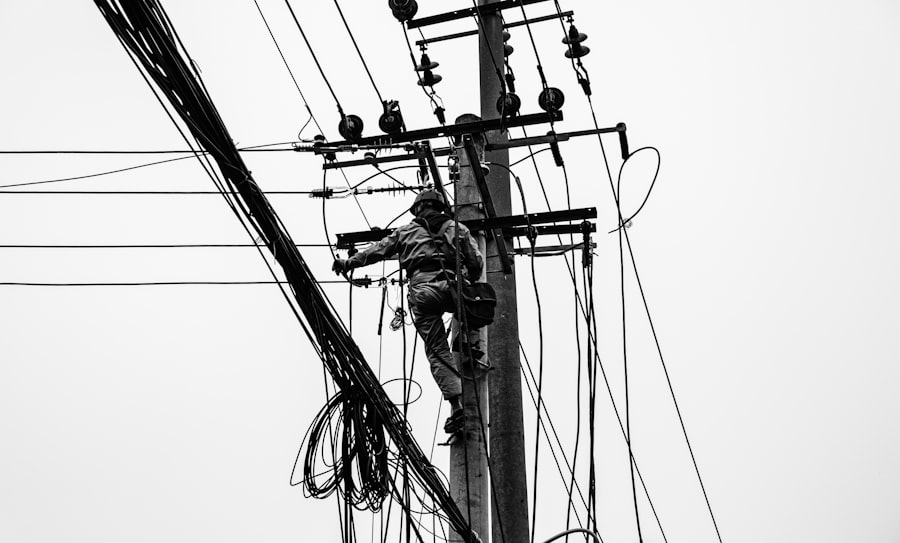
The distinction between union and non-union electricians is another important factor influencing hourly rates. Union electricians typically belong to organized labor groups that negotiate wages and benefits on behalf of their members. As a result, union electricians often command higher hourly rates compared to their non-union counterparts due to the collective bargaining agreements that establish wage standards within specific regions or industries.
These agreements often include benefits such as health insurance and retirement plans, which contribute to the overall cost of hiring union labor. On the other hand, non-union electricians may offer more competitive pricing due to lower overhead costs associated with union membership fees and benefits. However, this does not necessarily mean that non-union electricians provide inferior quality work; many are highly skilled professionals who take pride in their craft.
Clients should consider their specific needs when deciding between union and non-union electricians. While union labor may come at a premium, it often guarantees adherence to industry standards and safety regulations that can be crucial for larger projects.
Negotiating Electrician Hourly Rates
Negotiating electrician hourly rates can be an effective way for clients to manage costs while ensuring they receive quality service. Many electricians are open to discussion regarding their rates, especially if they are competing for business in a crowded market. When approaching negotiations, it is beneficial for clients to do their homework by researching average rates in their area and understanding the scope of work required for their project.
This knowledge empowers clients to engage in informed discussions about pricing. Additionally, clients should consider offering incentives for electricians who are willing to negotiate their rates. For example, agreeing to pay cash or scheduling multiple jobs at once can sometimes lead to discounts.
Building rapport with the electrician can also facilitate negotiations; establishing a positive relationship may encourage them to offer better pricing or flexible payment options. Ultimately, effective negotiation requires clear communication about expectations and budget constraints while respecting the electrician’s expertise and time.
Additional Costs to Consider Beyond the Hourly Rate
When budgeting for electrical work, it is essential to consider additional costs beyond just the hourly rate charged by the electrician. These costs can include materials needed for the job, which may vary significantly depending on the project’s complexity and scope. For instance, installing new wiring or fixtures will require purchasing specific materials that can add up quickly.
Clients should discuss material costs upfront with their electrician to avoid surprises later on. Moreover, there may be additional fees associated with permits or inspections required by local building codes. Many electrical projects necessitate permits to ensure compliance with safety standards; these permits often come with associated fees that should be factored into the overall budget.
Additionally, if the project requires inspections by local authorities after completion, there may be further costs involved in scheduling these assessments. By accounting for these potential expenses upfront, clients can create a more accurate budget that reflects the true cost of electrical work.
Tips for Finding a Reliable Electrician at a Fair Hourly Rate
Finding a reliable electrician at a fair hourly rate requires careful research and consideration. One effective strategy is to seek recommendations from friends, family, or neighbors who have recently completed similar projects. Personal referrals often lead to trustworthy professionals who have demonstrated quality work in real-world scenarios.
Online reviews and ratings on platforms like Yelp or Angie’s List can also provide valuable insights into an electrician’s reputation. Once potential candidates have been identified, it is advisable to request multiple quotes from different electricians before making a decision. This process not only allows clients to compare hourly rates but also provides an opportunity to assess each electrician’s approach to customer service and professionalism during initial consultations.
Clients should ask questions about experience, licensing, insurance coverage, and warranties offered on work performed. By gathering this information, clients can make informed choices that align with both their budgetary constraints and quality expectations.
How to Budget for Electrician Services Based on Hourly Rates
Budgeting for electrician services based on hourly rates involves careful planning and consideration of various factors that influence overall costs. To begin with, clients should estimate the total number of hours they anticipate needing an electrician based on the scope of work involved in their project. This estimation should include time for both labor and any potential delays that could arise during the job.
In addition to estimating labor hours, clients should account for material costs as well as any additional fees associated with permits or inspections mentioned earlier. Creating a detailed budget that outlines all expected expenses will help ensure that clients are financially prepared for the project ahead of time. It is also wise to set aside a contingency fund—typically around 10-20% of the total budget—to cover unexpected expenses that may arise during the course of work.
Understanding the Value of Quality Electrical Work and its Relationship to Hourly Rates
Understanding the value of quality electrical work is crucial when considering hourly rates charged by electricians. While it may be tempting to opt for lower-cost options in order to save money upfront, investing in skilled professionals often pays off in terms of safety, efficiency, and long-term reliability. Quality electrical work ensures that installations meet safety standards and function correctly without posing risks such as electrical fires or system failures.
Moreover, high-quality workmanship often translates into fewer repairs over time and greater energy efficiency—factors that can lead to significant savings on utility bills in the long run. Clients should view electrician hourly rates not merely as an expense but as an investment in their property’s safety and functionality. By prioritizing quality over cost alone, homeowners and businesses can enjoy peace of mind knowing that their electrical systems are installed correctly and maintained effectively over time.
When considering the cost of hiring an electrician, it’s also important to understand the potential additional expenses that may arise, such as the need for electrical repairs. For more information on this topic, you can read the article on whether insurance covers electrical repairs at this link. This can help you budget more effectively for your electrical needs and ensure that you are prepared for any unexpected costs.
FAQs
What is the average hourly rate for electricians?
The average hourly rate for electricians typically ranges from $50 to $100 per hour, depending on factors such as location, experience, and the complexity of the job.
Do electricians charge a flat rate or by the hour?
Electricians may charge either a flat rate for specific jobs or an hourly rate. Simple or standard tasks often have flat rates, while more complex or time-consuming work is usually billed hourly.
What factors influence an electrician’s hourly rate?
Several factors influence an electrician’s hourly rate, including geographic location, level of experience, type of work (residential, commercial, or industrial), emergency or after-hours service, and the electrician’s certifications or licenses.
Are there additional fees besides the hourly rate?
Yes, additional fees may include service call charges, travel fees, cost of materials, permits, and any emergency or after-hours surcharges.
How can I get an accurate estimate for electrician services?
To get an accurate estimate, provide detailed information about the job, request a written quote, and compare rates from multiple electricians. Some electricians offer free consultations or estimates.
Is it cheaper to hire an electrician for a larger project or multiple jobs at once?
Often, hiring an electrician for a larger project or bundling multiple jobs can reduce the overall hourly rate or result in a discounted flat rate, but this varies by contractor.
Do electricians charge more for emergency or weekend services?
Yes, electricians typically charge higher rates for emergency services, after-hours work, weekends, and holidays due to the inconvenience and urgency involved.
How do I ensure I’m paying a fair rate for electrician services?
Research local rates, check reviews and credentials, ask for detailed quotes, and verify that the electrician is licensed and insured to ensure you are paying a fair and competitive rate.