
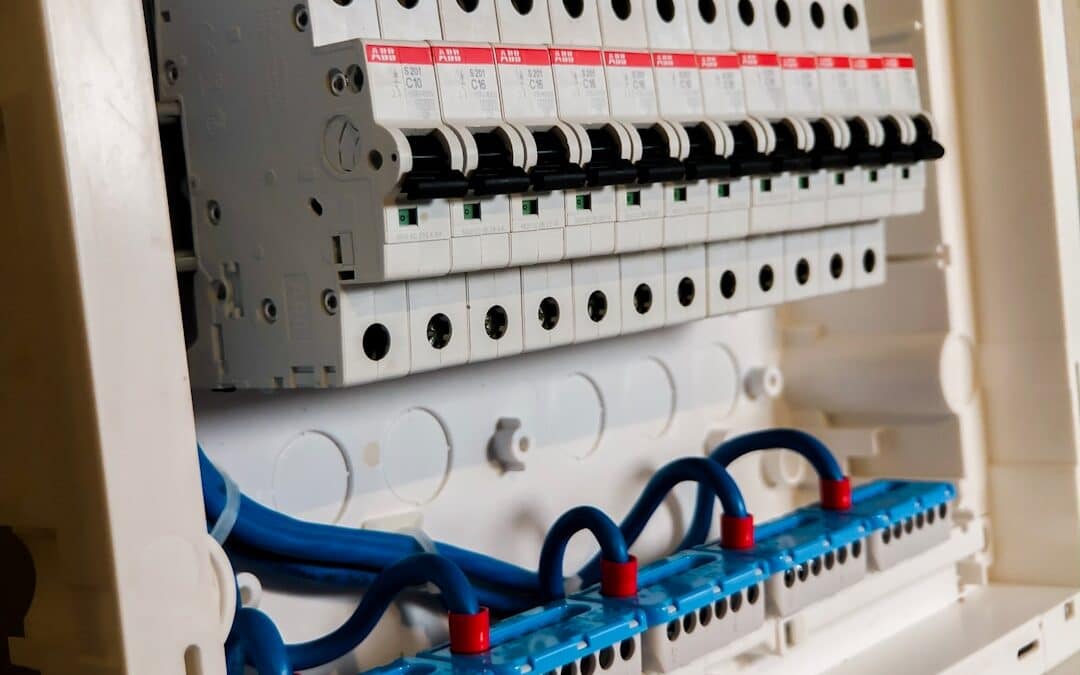
Regular electrical inspections are a critical component of home maintenance that often goes overlooked. The electrical system in a home is complex and can pose significant safety risks if not properly maintained. Over time, wear and tear, outdated components, and even changes in usage patterns can lead to potential hazards such as electrical fires, shock risks, and equipment failures.
By conducting regular inspections, homeowners can identify and rectify issues before they escalate into serious problems. This proactive approach not only enhances safety but also ensures that the electrical system operates efficiently, reducing the likelihood of unexpected outages or costly repairs. Moreover, regular inspections can help homeowners stay compliant with local building codes and regulations.
Many municipalities require periodic electrical inspections, especially in older homes or those undergoing renovations. Failing to adhere to these regulations can result in fines or complications when selling the property. An inspection can provide peace of mind, knowing that the electrical system is up to code and functioning as intended.
This is particularly important for families with young children or elderly members, who may be more vulnerable to electrical hazards.
Key Takeaways
- Regular electrical inspections are crucial for maintaining home safety and preventing hazards.
- Recognizing signs like flickering lights or frequent breaker trips indicates the need for an inspection.
- Professional inspections are recommended periodically, typically every 3-5 years, depending on the home’s age and condition.
- Hiring a licensed electrician ensures thorough and accurate inspections compared to DIY methods.
- Regular inspections help identify common issues, improve efficiency, and reduce the risk of electrical fires.
Signs Your Home Needs an Electrical Inspection
There are several telltale signs that indicate a home may require an electrical inspection. One of the most common indicators is the presence of flickering lights. If lights dim or flicker when appliances are turned on, it may suggest that the electrical system is overloaded or that there are loose connections somewhere in the circuit.
This issue can lead to further complications if not addressed promptly, as it may indicate that the wiring is unable to handle the current load. Another sign that an inspection is necessary is the frequent tripping of circuit breakers. While circuit breakers are designed to trip as a safety measure to prevent overloads, frequent tripping can indicate underlying issues such as faulty wiring or malfunctioning appliances.
Homeowners should also be vigilant for any burning smells or scorch marks around outlets and switches, which can signal overheating wires or faulty devices. These signs should never be ignored, as they can lead to dangerous situations if left unaddressed.
Frequency of Electrical Inspections
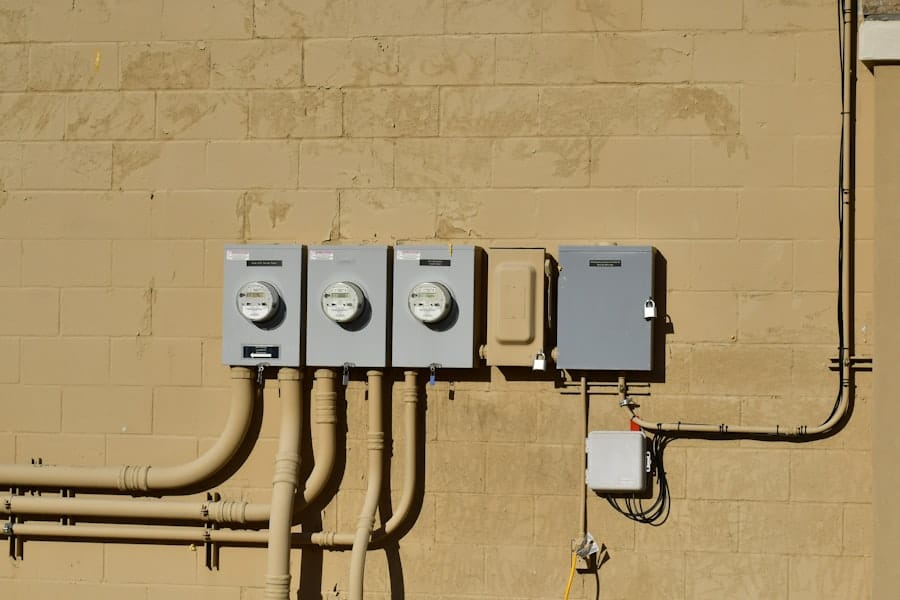
The frequency of electrical inspections can vary based on several factors, including the age of the home, the condition of the electrical system, and local regulations. Generally, it is advisable for homeowners to schedule a professional inspection at least once every three to five years. However, older homes with outdated wiring systems may benefit from more frequent inspections, perhaps every one to two years.
Homes that have undergone significant renovations or have added new appliances should also be inspected more regularly to ensure that the existing electrical infrastructure can support the increased load. In addition to scheduled inspections, homeowners should consider having an inspection performed after experiencing severe weather events such as storms or flooding. These conditions can cause hidden damage to electrical systems that may not be immediately apparent.
Furthermore, if a homeowner notices any signs of electrical issues—such as those mentioned earlier—an inspection should be prioritized regardless of the last scheduled check-up. Staying proactive about electrical inspections can save homeowners from costly repairs and enhance overall safety.
Benefits of Regular Electrical Inspections
The benefits of regular electrical inspections extend beyond mere compliance with safety standards; they encompass a range of advantages that contribute to the overall well-being of a household. One significant benefit is the enhancement of energy efficiency. During an inspection, professionals can identify outdated fixtures or wiring that may be consuming more energy than necessary.
By upgrading these components, homeowners can reduce their energy bills and minimize their carbon footprint. Additionally, regular inspections can prolong the lifespan of electrical systems and appliances. By identifying potential issues early on, homeowners can address them before they lead to more extensive damage or complete failure.
This proactive maintenance approach not only saves money in the long run but also ensures that appliances operate at optimal efficiency. Furthermore, having a well-maintained electrical system can increase property value, making it more attractive to potential buyers should the homeowner decide to sell in the future.
Common Electrical Issues Found During Inspections
| Inspection Frequency | Reason | Recommended By | Notes |
|---|---|---|---|
| Every 3-5 years | General safety check to identify wear, damage, or outdated components | National Electrical Code (NEC) & Electrical Safety Foundation International (ESFI) | Typical for most homes without major electrical upgrades |
| Annually | For homes with older wiring or frequent electrical issues | Licensed Electricians & Safety Experts | Recommended if home is over 40 years old or has experienced electrical problems |
| After major renovations or additions | To ensure new wiring and systems meet safety standards | Local Building Codes & Inspectors | Inspection should be done before final approval or occupancy |
| Immediately | If you notice signs of electrical problems (sparks, flickering lights, burning smells) | Electrical Safety Foundation International (ESFI) | Do not delay; potential fire hazard |
During electrical inspections, professionals often encounter a variety of common issues that can compromise safety and efficiency. One prevalent problem is outdated wiring, particularly in homes built several decades ago when standards were different. Knob-and-tube wiring and aluminum wiring are examples of older systems that may not meet current safety codes and can pose fire hazards due to their inability to handle modern electrical loads.
Another frequent issue is improper grounding and bonding of electrical systems. Grounding is essential for protecting both people and equipment from electrical surges and faults. If grounding is inadequate or missing altogether, it increases the risk of electric shock and equipment damage.
Additionally, inspectors often find overloaded circuits where too many devices are connected to a single circuit, leading to overheating and potential fire risks. Identifying these issues during an inspection allows homeowners to take corrective action before accidents occur.
Safety Concerns with Outdated Electrical Systems
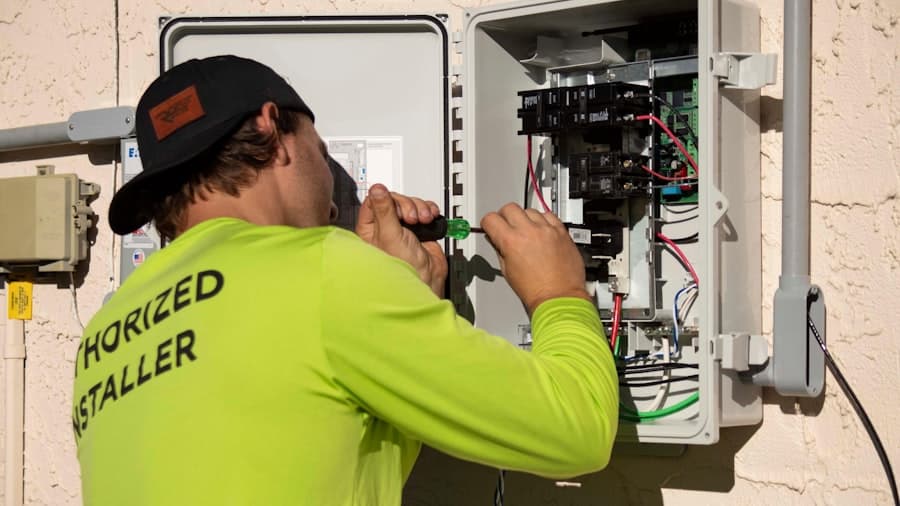
Outdated electrical systems present numerous safety concerns that warrant immediate attention. One major issue is the risk of electrical fires caused by deteriorating wiring insulation or overloaded circuits. As wiring ages, insulation can become brittle and cracked, exposing live wires and increasing the likelihood of short circuits or arcing—both of which are common causes of house fires.
In fact, according to the National Fire Protection Association (NFPA), electrical failures or malfunctions were responsible for an estimated 47,700 reported home structure fires in 2019 alone. Another significant concern with outdated systems is the lack of modern safety features such as Ground Fault Circuit Interrupters (GFCIs) and Arc Fault Circuit Interrupters (AFCIs). GFCIs are designed to protect against electric shock in wet areas like kitchens and bathrooms by cutting off power when they detect imbalances in current flow.
AFCIs help prevent fires by detecting arcing conditions in wiring that could lead to overheating. Homes lacking these protective devices are at a higher risk for accidents and injuries related to electrical hazards.
Importance of Hiring a Professional for Inspections
While some homeowners may consider conducting their own electrical inspections, hiring a qualified professional is crucial for ensuring thoroughness and accuracy. Licensed electricians possess specialized training and experience that enable them to identify potential hazards that an untrained eye might overlook. They are familiar with local codes and regulations, ensuring that any necessary repairs or upgrades comply with legal standards.
Moreover, professionals have access to advanced tools and equipment that facilitate comprehensive assessments of electrical systems. For instance, they can use thermal imaging cameras to detect hot spots in wiring that may indicate overloads or faults—issues that could go unnoticed during a visual inspection alone. By entrusting this task to a qualified electrician, homeowners can have confidence in the reliability and safety of their electrical systems.
DIY Electrical Inspections vs Professional Inspections
The allure of conducting DIY electrical inspections often stems from the desire to save money; however, this approach carries significant risks. While homeowners may be able to perform basic checks—such as testing outlets or replacing light bulbs—many aspects of an electrical system require specialized knowledge and expertise. For example, understanding load calculations, circuit configurations, and safety protocols necessitates training that most homeowners do not possess.
Furthermore, DIY inspections may lead to incomplete assessments or misdiagnoses of issues, potentially resulting in dangerous situations being overlooked. A professional inspection not only provides a thorough evaluation but also includes recommendations for repairs or upgrades based on current safety standards. In contrast, a DIY approach may leave homeowners unaware of critical issues that could jeopardize their safety and property value.
Cost of Electrical Inspections
The cost of electrical inspections can vary widely based on several factors including location, the size of the home, and the complexity of the electrical system being evaluated. On average, homeowners can expect to pay between $100 and $300 for a standard inspection; however, this price may increase for larger homes or those requiring more extensive evaluations due to previous issues or renovations. While some may view this expense as an unnecessary cost, it is essential to consider it an investment in safety and long-term savings.
The cost of addressing major electrical failures or fire damage far exceeds the price of a routine inspection. Additionally, many electricians offer package deals that include follow-up services or discounts on repairs identified during the inspection process, further enhancing the value proposition for homeowners.
How to Prepare for an Electrical Inspection
Preparing for an electrical inspection involves several steps that can help streamline the process and ensure a thorough evaluation. Homeowners should begin by clearing access to key areas such as circuit breaker panels, outlets, and any visible wiring. This not only facilitates easier access for the inspector but also allows them to conduct a more comprehensive assessment without unnecessary delays.
Additionally, homeowners should compile any relevant documentation regarding previous electrical work done on the property, including permits or warranties for installed systems or appliances. This information can provide valuable context for the inspector regarding any modifications made over time. Finally, it’s beneficial for homeowners to be present during the inspection; this allows them to ask questions and gain insights into their electrical system’s condition directly from the professional conducting the assessment.
Ensuring the Safety and Efficiency of Your Home’s Electrical System
Regular electrical inspections are essential for maintaining both safety and efficiency within a home’s electrical system. By recognizing signs that indicate a need for inspection and understanding how often these evaluations should occur, homeowners can take proactive steps toward safeguarding their property against potential hazards. The benefits extend beyond mere compliance with regulations; they encompass energy efficiency improvements and increased property value.
Common issues identified during inspections highlight the importance of addressing outdated systems and ensuring proper grounding and circuit management. Hiring a qualified professional for these evaluations guarantees thoroughness and adherence to safety standards while avoiding the pitfalls associated with DIY approaches. Ultimately, investing in regular inspections not only protects families but also enhances their quality of life by ensuring reliable access to electricity in their homes.
Regular inspections of your home’s electrical system are crucial for ensuring safety and efficiency. It’s recommended to have your electrical system inspected at least every three to five years, but more frequent checks may be necessary if you notice any signs of wear or malfunction. For more information on related services, you can check out this article on electrical and AC services that can help maintain your home’s systems in optimal condition.
FAQs
How often should a home’s electrical system be inspected?
It is generally recommended to have your home’s electrical system inspected every 3 to 5 years. However, the frequency may vary depending on the age of the home, local regulations, and any recent electrical work or issues.
Why is regular electrical inspection important?
Regular electrical inspections help identify potential hazards such as faulty wiring, outdated components, and overloaded circuits. This can prevent electrical fires, ensure safety, and maintain the efficiency of your electrical system.
Who should perform the electrical inspection?
Electrical inspections should be conducted by a licensed and qualified electrician who is familiar with local electrical codes and standards.
Are there specific signs that indicate an immediate electrical inspection is needed?
Yes, signs such as frequent circuit breaker trips, flickering lights, burning smells, sparks from outlets, or outlets that don’t work properly indicate that an immediate electrical inspection is necessary.
Does the age of the home affect how often the electrical system should be inspected?
Yes, older homes with outdated wiring or electrical systems may require more frequent inspections to ensure safety and compliance with current standards.
Is an electrical inspection required when buying or selling a home?
While not always legally required, an electrical inspection is often recommended during real estate transactions to assess the condition of the electrical system and identify any necessary repairs.
What does an electrical inspection typically include?
An electrical inspection usually involves checking the electrical panel, wiring, outlets, switches, grounding system, and overall compliance with safety codes.
Can I perform an electrical inspection myself?
No, electrical inspections should be performed by qualified professionals to ensure safety and accuracy. Attempting to inspect electrical systems without proper knowledge can be dangerous.