
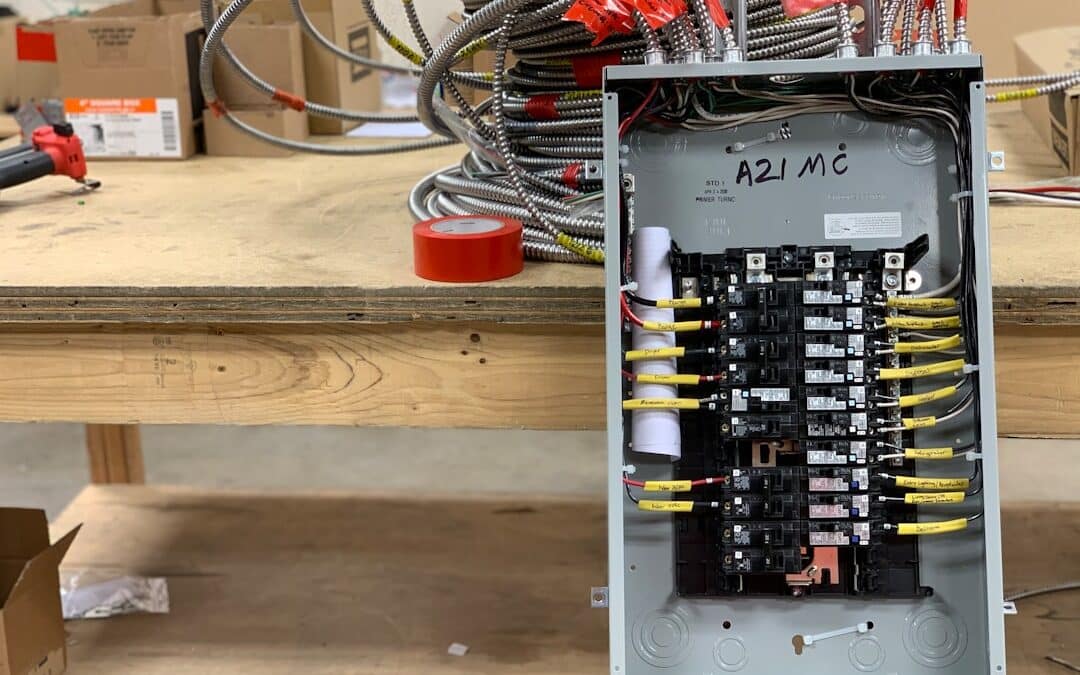
When considering the cost of hiring an electrician, several factors come into play that can significantly influence the final price. One of the primary determinants is the complexity of the job. Simple tasks, such as replacing a light fixture or installing a new outlet, typically require less time and expertise, resulting in lower costs.
Conversely, more intricate projects, such as rewiring an entire home or installing a new electrical panel, demand a higher level of skill and time commitment, which naturally drives up the price. The intricacy of the electrical system in question can also affect costs; older homes may have outdated wiring that requires additional work to bring up to code. Another critical factor is geographic location.
Electricians in urban areas often charge higher rates than those in rural regions due to the increased cost of living and higher demand for services. Additionally, local regulations and building codes can impact pricing. In some areas, electricians may need to obtain specific permits or adhere to stringent safety standards, which can add to the overall expense.
Seasonal demand can also play a role; for instance, during peak construction seasons, electricians may raise their rates due to increased workload and limited availability.
Key Takeaways
- Electrician costs vary based on factors like job complexity, location, and experience.
- Knowing the scope of work helps in getting accurate quotes and avoiding unexpected expenses.
- Licensed electricians ensure safety and quality, unlike unlicensed ones who may pose risks.
- Comparing multiple quotes and negotiating can lead to better pricing and service.
- Investing in skilled electricians may cost more upfront but saves money by preventing future issues.
Average hourly rates for electricians
The average hourly rate for electricians can vary widely based on several factors, including experience, location, and the nature of the work being performed. As of 2023, the national average hourly rate for licensed electricians in the United States typically ranges from $50 to $100 per hour. However, this figure can fluctuate significantly depending on the region.
For example, electricians in metropolitan areas like New York City or San Francisco may charge upwards of $150 per hour due to higher living costs and demand for skilled labor. In addition to geographic differences, the level of expertise also plays a crucial role in determining hourly rates. Apprentice electricians, who are still in training, generally charge lower rates—often between $25 and $40 per hour—while master electricians with extensive experience and specialized skills may command rates exceeding $100 per hour.
It’s essential for homeowners to consider not just the hourly rate but also the overall value provided by the electrician, including their qualifications, reputation, and the quality of their work.
Determining the scope of the electrical work

Before hiring an electrician, it is vital to clearly define the scope of the electrical work required. This involves assessing the specific tasks that need to be completed and understanding how they fit into the larger context of your home’s electrical system. For instance, if you are planning a kitchen remodel that includes new lighting fixtures and additional outlets, it’s important to outline these details upfront.
A well-defined scope helps ensure that both you and the electrician have aligned expectations regarding the project. Moreover, determining the scope of work can also aid in obtaining accurate quotes from multiple electricians. When you provide detailed information about what you need—such as the number of outlets to be installed or the type of lighting fixtures you wish to use—you enable electricians to give you more precise estimates.
This clarity not only helps in budgeting but also minimizes misunderstandings during the project execution phase. Additionally, a comprehensive scope can highlight any potential challenges or special requirements that may arise during the job, allowing for better planning and resource allocation.
Additional costs to consider when hiring an electrician
While hourly rates are a significant component of hiring an electrician, there are several additional costs that homeowners should be aware of when budgeting for electrical work. One common expense is the cost of materials and supplies needed for the job. Depending on the project, this could include wiring, circuit breakers, light fixtures, and other components.
Electricians may mark up these materials as part of their service fee, so it’s wise to inquire about whether material costs are included in their estimate or if they will be billed separately. Another potential cost is related to permits and inspections. Many electrical projects require permits from local authorities to ensure compliance with safety codes and regulations.
The fees for these permits can vary widely based on location and project type. Additionally, some municipalities may require inspections after work is completed, which could incur further costs. Homeowners should factor these expenses into their overall budget to avoid surprises later on.
Understanding the difference between licensed and unlicensed electricians
One of the most critical distinctions in hiring an electrician is understanding the difference between licensed and unlicensed professionals. Licensed electricians have undergone extensive training and have passed examinations that demonstrate their knowledge of electrical systems and safety standards. They are typically required to carry liability insurance and adhere to local building codes, which provides homeowners with a level of protection should something go wrong during a project.
On the other hand, unlicensed electricians may lack formal training and certification, which can pose significant risks. While they may offer lower rates to attract customers, hiring an unlicensed electrician can lead to subpar work that may not meet safety standards or local regulations. This could result in costly repairs down the line or even pose safety hazards such as electrical fires.
Homeowners should always verify an electrician’s licensing status before hiring them to ensure they are qualified for the job.
Negotiating the price with an electrician
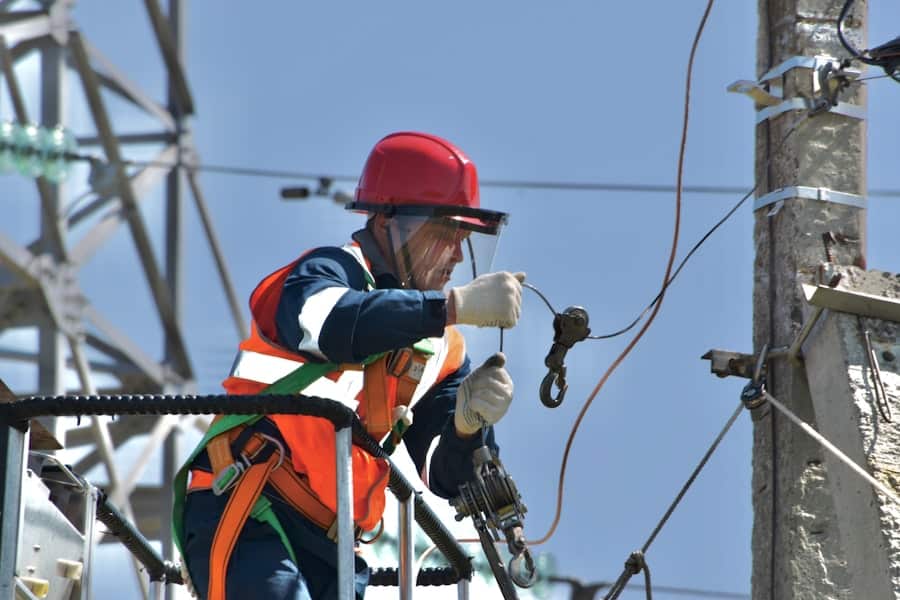
Negotiating the price with an electrician can be a delicate process but is often necessary to ensure that you receive fair value for your investment. When discussing costs, it’s essential to approach the conversation with respect and openness. Start by asking for a detailed breakdown of their estimate, including labor costs, materials, and any additional fees.
This transparency allows you to understand where your money is going and provides a basis for negotiation. If you have received multiple quotes from different electricians, use this information as leverage in your discussions. If one electrician offers a lower rate for similar services, you can present this quote as a point of comparison while expressing your interest in working with them if they can match or come close to that price.
However, it’s crucial to balance cost with quality; opting for the cheapest option may not always yield the best results. Focus on finding an electrician who offers a fair price while demonstrating professionalism and expertise.
Tips for finding a reputable and affordable electrician
Finding a reputable and affordable electrician requires some research and due diligence on your part. Start by seeking recommendations from friends, family, or neighbors who have recently had electrical work done. Personal referrals can provide valuable insights into an electrician’s reliability and quality of work.
Additionally, online platforms such as Yelp or Angie’s List can offer reviews and ratings from previous customers. Once you have a shortlist of potential electricians, take the time to check their credentials thoroughly. Verify their licensing status through your state’s licensing board and ensure they carry adequate insurance coverage.
It’s also beneficial to ask for references from past clients; reputable electricians should be willing to provide this information upon request. Finally, consider scheduling consultations with multiple electricians to discuss your project needs and obtain estimates before making your final decision.
The importance of getting multiple quotes from electricians
Obtaining multiple quotes from different electricians is a crucial step in ensuring you receive fair pricing and quality service for your electrical project. By comparing estimates from various professionals, you gain insight into the market rates for your specific job and can identify any outliers—whether they are significantly higher or lower than average. This process not only helps you budget effectively but also allows you to assess each electrician’s approach to your project.
When gathering quotes, ensure that each electrician provides a detailed breakdown of their estimate so you can make informed comparisons. Look beyond just the total cost; consider factors such as labor rates, material costs, timelines for completion, and warranties offered on their work. This comprehensive view will enable you to make a more informed decision based on both price and value rather than simply choosing the lowest bid.
How to avoid hidden fees and extra charges from electricians
Hidden fees can be a significant source of frustration when hiring an electrician if not addressed upfront. To avoid unexpected charges, it’s essential to have clear communication with your chosen professional before work begins. Start by asking for a detailed written estimate that outlines all anticipated costs associated with the project.
This should include labor rates, material costs, permit fees, and any other potential expenses. Additionally, inquire about any circumstances that might lead to extra charges during the project. For example, if unforeseen issues arise—such as outdated wiring that needs replacement—will there be additional costs?
Understanding these possibilities ahead of time allows you to budget accordingly and reduces the likelihood of surprises once work commences.
The value of investing in a skilled and experienced electrician
Investing in a skilled and experienced electrician is often worth every penny when it comes to ensuring safety and quality in electrical work. While it may be tempting to opt for cheaper options or unlicensed professionals to save money upfront, this decision can lead to significant long-term costs due to poor workmanship or safety hazards. A qualified electrician brings not only technical expertise but also knowledge of local codes and regulations that ensure compliance with safety standards.
Moreover, experienced electricians often have access to better materials and tools that can enhance the quality of their work. They are also more adept at troubleshooting issues that may arise during installation or repairs, potentially saving you time and money in future repairs or modifications. Ultimately, investing in a reputable professional can provide peace of mind knowing that your electrical system is safe and reliable.
Budget-friendly options for common electrical projects
For homeowners looking to manage costs while still addressing essential electrical needs, there are several budget-friendly options available for common projects. One such option is upgrading existing fixtures rather than replacing them entirely; for instance, swapping out incandescent bulbs for energy-efficient LED lights can significantly reduce energy consumption without requiring extensive rewiring or new installations. Another cost-effective approach is performing minor repairs or installations yourself when feasible—such as replacing outlet covers or installing simple light fixtures—while leaving more complex tasks like wiring or panel upgrades to licensed professionals.
Additionally, consider scheduling electrical work during off-peak seasons when demand is lower; electricians may offer discounts during these times due to reduced workloads. By being proactive about budgeting and exploring various options for electrical projects, homeowners can achieve their desired outcomes without breaking the bank while ensuring safety and compliance with local regulations.
When considering how much to pay for an electrician, it’s also important to think about the overall safety and functionality of your home’s electrical system. For instance, you might want to explore preparing your home’s electrical system for Florida’s spring storms, which can provide valuable insights into ensuring your electrical setup is resilient and up to code. This preparation can ultimately influence the costs associated with hiring an electrician, as well-maintained systems may require less frequent repairs and upgrades.
FAQs
How is the cost of hiring an electrician typically calculated?
Electricians usually charge either an hourly rate or a flat fee for specific jobs. Hourly rates can vary based on location, experience, and the complexity of the work. Some electricians may also charge a minimum service fee or a call-out fee.
What factors influence the price of electrician services?
Several factors affect the cost, including the electrician’s experience and qualifications, the complexity and scope of the job, the materials required, the time needed to complete the work, and the geographic location.
What is the average hourly rate for an electrician?
In general, electricians charge between $50 and $100 per hour, but rates can be higher in metropolitan areas or for specialized work. It’s important to get a detailed estimate before work begins.
Are there additional costs beyond the electrician’s labor?
Yes, additional costs may include materials, permits, inspection fees, and emergency or after-hours service charges. Always clarify what is included in the estimate.
Should I get multiple quotes before hiring an electrician?
Yes, obtaining multiple quotes helps ensure you receive a fair price and understand the scope of work. It also allows you to compare services and credentials.
Is it better to pay a flat fee or hourly rate for electrician services?
It depends on the job. For well-defined tasks, a flat fee can provide cost certainty. For complex or unpredictable work, an hourly rate may be more appropriate. Discuss payment terms with the electrician beforehand.
How can I verify the electrician’s credentials and ensure fair pricing?
Check that the electrician is licensed, insured, and bonded as required by local regulations. Reading reviews and asking for references can also help. A reputable electrician will provide a written estimate and explain the pricing clearly.
Are emergency electrician services more expensive?
Yes, emergency or after-hours services typically come with higher rates due to the urgency and inconvenience. It’s advisable to use emergency services only when necessary.
Can I negotiate the price with an electrician?
Some electricians may be open to negotiation, especially for larger projects or repeat business. However, it’s important to respect their expertise and the value of their work.
What should I do if an electrician’s quote seems too low or too high?
If a quote is significantly lower than others, verify that the electrician is qualified and that the estimate includes all necessary work and materials. If a quote is very high, ask for a detailed breakdown and consider getting additional estimates.