
The market rates for electricians can vary significantly based on a multitude of factors, including geographical location, level of experience, and the complexity of the work involved. In urban areas, where the demand for skilled tradespeople often exceeds supply, electricians may command higher hourly rates compared to those in rural regions. For instance, in metropolitan cities like New York or San Francisco, rates can soar to $100 per hour or more, while in smaller towns, the average might hover around $50 to $70 per hour.
This disparity is not merely a reflection of local economies but also of the cost of living, which influences what clients are willing to pay for services. Moreover, the type of electrical work being performed plays a crucial role in determining market rates. Residential electricians may charge differently than commercial or industrial electricians due to the varying complexities and risks associated with each type of job.
For example, installing a simple light fixture in a home may be priced lower than wiring an entire office building, which requires more expertise and adherence to stringent safety regulations. Understanding these nuances is essential for electricians to position themselves effectively within the market and set competitive yet fair rates.
Key Takeaways
- Electrician rates vary based on market conditions, location, and demand.
- Overhead costs and desired profit margins are crucial in determining hourly rates.
- Specialized skills and certifications can justify higher pricing.
- Transparent communication and negotiation help build client trust and secure fair rates.
- Offering discounts and packages can encourage repeat business and client loyalty.
Factors Affecting Hourly Rates for Self-Employed Electricians
Several factors influence the hourly rates set by self-employed electricians. One of the most significant is experience. An electrician with years of hands-on experience and a proven track record will typically charge more than a newcomer to the field.
This is because seasoned professionals bring not only technical skills but also problem-solving abilities honed over time, which can save clients both time and money in the long run. Additionally, electricians who have specialized training or certifications in areas such as renewable energy systems or advanced home automation may also command higher rates due to their niche expertise. Another critical factor is the nature of the job itself.
Complex projects that require extensive planning, specialized tools, or adherence to specific codes and regulations will naturally incur higher costs. For instance, an electrician tasked with installing a solar panel system must navigate various technical challenges and regulatory requirements that a standard residential wiring job does not present. Furthermore, market demand can fluctuate based on seasonal trends or economic conditions, impacting how much electricians can charge at any given time.
During peak seasons, such as summer when air conditioning installations are in high demand, rates may increase due to heightened competition for skilled labor.
Calculating Overhead Costs and Profit Margin
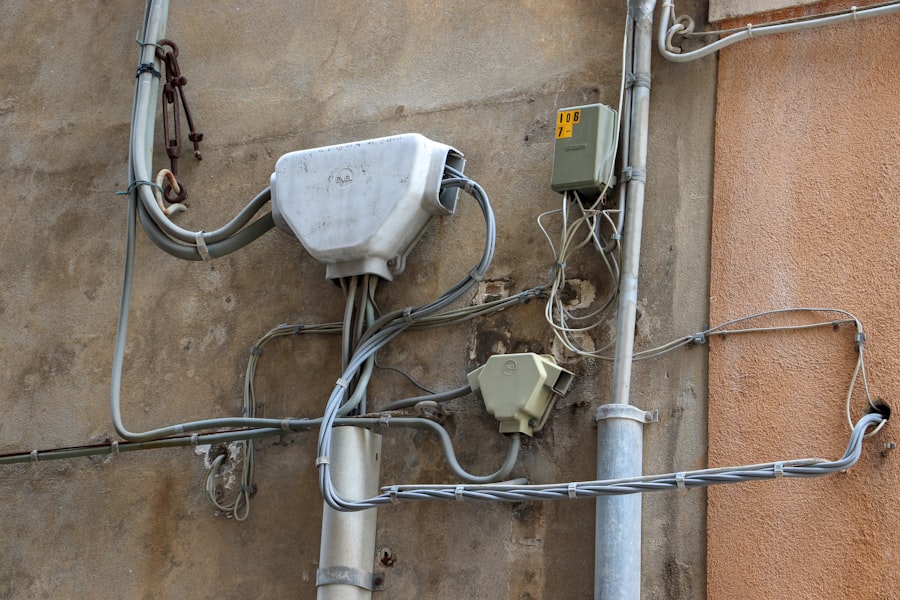
For self-employed electricians, understanding overhead costs is crucial for setting sustainable pricing structures. Overhead includes all expenses that are not directly tied to a specific job but are necessary for running a business. This can encompass vehicle maintenance, insurance premiums, tools and equipment depreciation, office supplies, and marketing expenses.
Accurately calculating these costs ensures that electricians do not underprice their services, which could lead to financial instability over time. In addition to overhead, electricians must also consider their desired profit margin when determining their rates. A common approach is to calculate total costs—both direct and indirect—and then add a percentage that reflects the profit they wish to achieve.
For example, if an electrician’s total monthly overhead is $3,000 and they aim for a profit margin of 20%, they would need to generate at least $3,600 in revenue each month. This calculation can help electricians establish an hourly rate that not only covers their expenses but also provides a reasonable income for their labor and expertise.
Setting Competitive Rates in the Local Area
To remain competitive in their local markets, electricians must conduct thorough research on prevailing rates within their area. This involves not only looking at what other electricians charge but also understanding the services they offer and their level of expertise. By gathering this information, electricians can position themselves strategically—whether that means aligning their rates with competitors or differentiating themselves through unique offerings or superior service quality.
Additionally, local economic conditions can influence pricing strategies. In areas experiencing economic growth or development, there may be increased demand for electrical services, allowing electricians to raise their rates accordingly. Conversely, in regions facing economic downturns or high unemployment rates, it may be necessary to adjust pricing to attract clients while still ensuring profitability.
By staying attuned to local market dynamics and adjusting rates as needed, electricians can maintain a competitive edge while ensuring their business remains viable.
Considering Specialized Skills and Certifications
| Location | Hourly Rate (USD) | Experience Level | Notes |
|---|---|---|---|
| United States (National Average) | 50 – 100 | All levels | Rates vary by region and job complexity |
| United Kingdom | 30 – 60 | All levels | Higher rates in London and Southeast |
| Australia | 45 – 85 | All levels | Rates depend on certifications and experience |
| Entry-Level Electrician | 30 – 50 | 0-2 years | Lower rates to build clientele |
| Experienced Electrician | 60 – 100 | 5+ years | Includes specialized skills and certifications |
| Commercial Jobs | 70 – 120 | Experienced | Often higher due to complexity and scale |
| Residential Jobs | 40 – 80 | All levels | Typical home electrical work |
Specialized skills and certifications can significantly impact an electrician’s earning potential. Electricians who invest time and resources into obtaining certifications in areas such as energy efficiency, smart home technology, or electrical safety standards often find themselves in higher demand. These specialized skills not only enhance an electrician’s credibility but also allow them to command higher rates due to the added value they bring to clients.
For instance, an electrician certified in solar panel installation can tap into the growing market for renewable energy solutions. As more homeowners seek sustainable energy options, having this certification can set an electrician apart from competitors who lack such qualifications. Similarly, certifications related to building codes or safety standards can reassure clients about the quality and safety of the work being performed.
By highlighting these specialized skills in marketing materials and client communications, electricians can justify higher rates while attracting clients who prioritize expertise.
Negotiating Rates with Clients
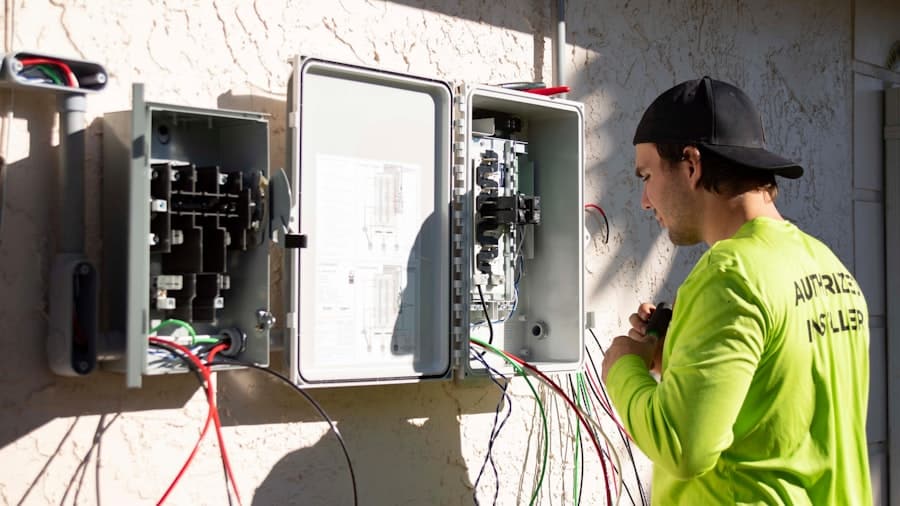
Negotiation is an integral part of establishing a successful working relationship between electricians and their clients. When discussing rates, it is essential for electricians to approach negotiations with confidence while remaining open to dialogue. Understanding the client’s budget constraints and project requirements can help electricians tailor their proposals effectively.
For instance, if a client expresses concern about costs, an electrician might offer different service tiers or suggest alternative solutions that align with the client’s financial capabilities without compromising quality. Effective communication during negotiations also involves clearly articulating the value of services provided. Electricians should be prepared to explain how their expertise translates into tangible benefits for the client—whether through energy savings, enhanced safety features, or improved property value.
By framing discussions around value rather than just cost, electricians can foster a collaborative atmosphere that leads to mutually beneficial agreements.
Adjusting Rates for Emergency and After-Hours Services
Emergency electrical services often require immediate attention outside of regular business hours, which justifies higher rates due to the urgency and inconvenience involved. Electricians who offer after-hours services must consider various factors when setting these rates, including the additional costs associated with working during non-standard hours. This may include overtime pay for any employees involved or increased wear and tear on vehicles and equipment due to late-night travel.
When determining emergency service rates, electricians should also factor in the potential impact on their overall business operations. For example, taking on emergency calls may limit availability for scheduled jobs during regular hours. Therefore, establishing a clear pricing structure for emergency services not only compensates for these challenges but also communicates professionalism and preparedness to clients who may find themselves in urgent situations.
Offering Discounts and Packages for Repeat Clients
To foster long-term relationships with clients and encourage repeat business, many electricians consider offering discounts or package deals. These incentives can take various forms—such as reduced rates for ongoing maintenance contracts or bundled services that provide comprehensive solutions at a lower overall cost. For instance, an electrician might offer a discount on routine inspections for clients who have previously utilized their services for installations or repairs.
Implementing such strategies not only enhances customer loyalty but also provides a steady stream of income for electricians. By creating attractive packages that address common client needs—such as seasonal maintenance checks or energy efficiency upgrades—electricians can position themselves as trusted partners in their clients’ ongoing electrical needs while ensuring consistent work throughout the year.
Communicating Transparently with Clients about Pricing
Transparency in pricing is essential for building trust between electricians and their clients. Clear communication about how rates are determined—whether based on hourly labor costs, materials used, or project complexity—can help demystify pricing structures and alleviate client concerns about hidden fees or unexpected charges. Providing detailed estimates that break down costs can further enhance this transparency.
Additionally, being upfront about any potential changes in pricing due to unforeseen circumstances—such as additional repairs discovered during a job—can prevent misunderstandings later on. By fostering open lines of communication regarding pricing from the outset, electricians can create a positive client experience that encourages referrals and repeat business.
Evaluating the Value of Services Provided
Electricians must continually assess the value they provide to clients as part of their pricing strategy. This involves not only evaluating technical skills but also considering aspects such as customer service, reliability, and responsiveness. Clients are often willing to pay more for an electrician who demonstrates professionalism and delivers high-quality work consistently.
Gathering feedback from clients through surveys or follow-up communications can provide valuable insights into perceived value and areas for improvement. By understanding what clients appreciate most about their services—whether it’s promptness in responding to inquiries or thoroughness in completing jobs—electricians can refine their offerings and justify their pricing structures more effectively.
Seeking Professional Advice for Pricing Strategies
Navigating pricing strategies can be complex for self-employed electricians; therefore, seeking professional advice from industry experts or business consultants can be invaluable. These professionals can provide insights into market trends, competitive analysis, and effective pricing models tailored to specific business needs. Additionally, joining trade associations or networking groups can offer opportunities for knowledge sharing among peers facing similar challenges.
Consultants may also assist in developing comprehensive business plans that incorporate pricing strategies alongside marketing efforts and operational efficiencies. By leveraging external expertise, electricians can enhance their understanding of market dynamics and make informed decisions that contribute to long-term business success while ensuring they remain competitive within their local markets.
When determining how much a self-employed electrician should charge per hour, it’s essential to consider various factors such as experience, location, and the complexity of the job. For those looking to enhance their understanding of electrical services, a related article on upgrading residential electric panels can provide valuable insights. You can read more about this important topic in the article titled “Upgrade Your Residential Electric Panel in 2025: A Smart Investment for Safety and Efficiency” by following this link: Upgrade Your Residential Electric Panel in 2025.
FAQs
How do self-employed electricians determine their hourly rates?
Self-employed electricians typically consider factors such as their level of experience, the complexity of the job, local market rates, overhead costs, and the cost of tools and materials when setting their hourly rates.
What is the average hourly rate for a self-employed electrician?
The average hourly rate for a self-employed electrician varies by location and experience but generally ranges from $50 to $100 per hour. Rates can be higher in urban areas or for specialized services.
Should self-employed electricians charge a flat rate or hourly rate?
Both pricing methods are common. Hourly rates are often used for smaller or undefined jobs, while flat rates may be preferred for larger or well-defined projects. The choice depends on the job scope and client preference.
Do self-employed electricians charge differently for emergency or after-hours work?
Yes, many self-employed electricians charge higher rates for emergency or after-hours services to compensate for the inconvenience and urgency of the work.
What additional costs should clients expect besides the hourly rate?
Clients may need to pay for materials, permits, travel expenses, and any specialized equipment required for the job, in addition to the electrician’s hourly rate.
How can clients verify if an electrician’s hourly rate is reasonable?
Clients can compare quotes from multiple electricians, check local market rates, and review the electrician’s qualifications and experience to determine if the rate is fair.
Is it necessary for self-employed electricians to have insurance?
Yes, it is important for self-employed electricians to have liability insurance and, if applicable, workers’ compensation insurance to protect themselves and their clients.
Can self-employed electricians offer discounts or package deals?
Yes, some electricians may offer discounts for repeat customers, large projects, or bundled services. It is advisable to discuss pricing options upfront.
How often should self-employed electricians review and adjust their hourly rates?
Electricians should review their rates periodically, typically annually, to account for changes in costs, inflation, market demand, and their level of expertise.
What qualifications should a self-employed electrician have?
A self-employed electrician should have the necessary licenses, certifications, and training required by their local jurisdiction to legally perform electrical work.