

The determination of hourly rates for self-employed electricians is a multifaceted process influenced by various factors. One of the primary considerations is the electrician’s level of experience and expertise. An electrician who has spent years honing their craft and has accumulated a wealth of knowledge in specialized areas, such as renewable energy systems or smart home technology, can command higher rates than someone just starting in the field.
This experience not only enhances their skill set but also instills confidence in clients, who are often willing to pay a premium for quality work backed by a proven track record. Another significant factor is the local market conditions. The demand for electrical services can vary widely from one region to another, influenced by local economic conditions, population density, and competition among service providers.
In urban areas with a high concentration of construction and renovation projects, electricians may find themselves in a position to charge higher rates due to increased demand. Conversely, in rural areas where fewer projects are available, rates may be lower as electricians compete for a limited number of jobs. Understanding these dynamics is crucial for self-employed electricians when setting their hourly rates.
Key Takeaways
- Hourly rates for self-employed electricians depend on costs, industry standards, experience, and location.
- Calculating all business expenses is essential to set a sustainable hourly rate.
- Negotiation skills and clear communication help manage client expectations and justify rates.
- Increasing rates can be achieved through gaining expertise, improving service value, and strategic positioning.
- Understanding and conveying the value of services is crucial for competitive and fair pricing.
Calculating the costs of running a self-employed electrical business
To establish a sustainable hourly rate, self-employed electricians must first calculate the costs associated with running their business. These costs can be broadly categorized into fixed and variable expenses. Fixed costs include overheads such as insurance, licensing fees, and equipment depreciation.
For instance, liability insurance is essential for protecting against potential claims arising from accidents or damages during electrical work. Additionally, maintaining licenses and certifications often incurs annual fees that must be factored into the overall cost structure. Variable costs, on the other hand, fluctuate based on the volume of work undertaken.
These may include materials and supplies needed for specific jobs, fuel expenses for travel to job sites, and maintenance costs for tools and equipment. For example, an electrician may need to purchase specialized tools for a particular project, which can significantly impact their overall expenses. By meticulously tracking both fixed and variable costs, electricians can gain a clearer understanding of their financial landscape and set hourly rates that not only cover these expenses but also provide a profit margin.
Comparing industry standards for hourly rates among self-employed electricians
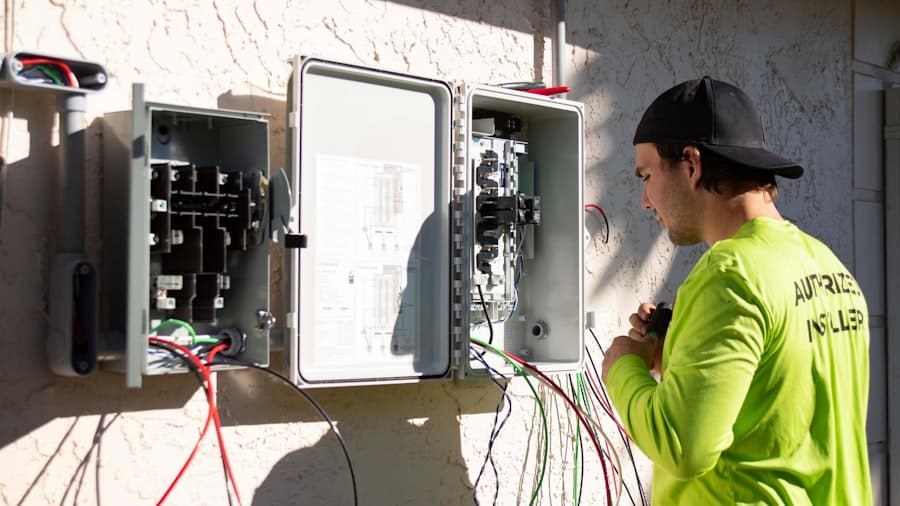
When determining an appropriate hourly rate, self-employed electricians should consider industry standards as a benchmark. According to various industry reports and surveys, the average hourly rate for electricians in the United States typically ranges from $50 to $100 per hour, depending on factors such as location and specialization. For instance, electricians specializing in high-demand areas like solar panel installation or home automation systems may charge rates at the higher end of this spectrum due to their specialized skills.
Moreover, regional differences play a significant role in shaping these standards. In metropolitan areas with a high cost of living, electricians may charge significantly more than those in rural regions. For example, an electrician in New York City might command $120 per hour, while one in a small town might charge only $60 per hour.
By comparing their rates to industry standards, self-employed electricians can ensure they remain competitive while also reflecting their unique skills and experience.
Factors that may influence the hourly rate for a self-employed electrician
Several additional factors can influence the hourly rate set by self-employed electricians beyond experience and market conditions. One such factor is the type of services offered. Electricians who provide specialized services—such as emergency repairs or complex installations—may justify higher rates due to the urgency and expertise required.
For instance, an electrician who is available 24/7 for emergency calls may charge a premium for their availability and quick response times. Another influencing factor is the economic climate. During periods of economic growth, construction projects tend to increase, leading to higher demand for electrical services.
Conversely, during economic downturns, clients may be more budget-conscious, prompting electricians to adjust their rates accordingly to remain competitive. Additionally, seasonal fluctuations can impact demand; for example, electricians may see increased business during the summer months when homeowners undertake renovation projects or require air conditioning installations.
Setting a competitive hourly rate for a self-employed electrician
| Location | Average Hourly Rate | Factors Influencing Rate | Typical Range |
|---|---|---|---|
| United States | 50 – 100 | Experience, certifications, job complexity, overhead costs | 40 – 120 |
| United Kingdom | 30 – 60 | Location, demand, qualifications, travel expenses | 25 – 70 |
| Australia | 45 – 85 | Licensing, experience, job type, materials included | 40 – 100 |
| Canada | 40 – 90 | Region, certifications, job difficulty, insurance | 35 – 110 |
| General Advice | N/A | Calculate costs + desired profit + market rates | Depends on local market |
Setting a competitive hourly rate requires careful consideration of various elements that reflect both the electrician’s value proposition and market conditions. A self-employed electrician should begin by conducting thorough market research to understand what competitors are charging for similar services in their area. This research can involve checking local listings, consulting industry associations, or even networking with other professionals in the field.
Once an understanding of the competitive landscape is established, electricians should assess their unique selling points—such as specialized skills or exceptional customer service—that differentiate them from competitors. For instance, if an electrician has extensive training in energy-efficient systems or offers warranties on their work, they may justify charging higher rates than others without these qualifications. Ultimately, the goal is to strike a balance between being competitive while ensuring that the rate reflects the quality and expertise provided.
The importance of considering experience and expertise when determining hourly rates
Experience and expertise are critical components in establishing an appropriate hourly rate for self-employed electricians. Clients often seek out electricians with proven track records because they want assurance that their projects will be completed safely and effectively. An electrician with years of experience not only possesses technical skills but also has likely encountered a wide range of challenges on job sites, equipping them with problem-solving abilities that less experienced electricians may lack.
Moreover, specialized training or certifications can further enhance an electrician’s credibility and justify higher rates. For example, an electrician certified in advanced wiring techniques or renewable energy systems can offer clients cutting-edge solutions that general electricians may not be able to provide. This specialization not only allows them to charge more but also positions them as experts in their field, fostering trust and long-term relationships with clients who value quality workmanship.
Negotiating hourly rates with clients as a self-employed electrician
Negotiation is an essential skill for self-employed electricians when discussing hourly rates with clients. Effective negotiation involves not only articulating the value of services provided but also understanding the client’s perspective and budget constraints. When entering negotiations, electricians should be prepared to explain how their experience, expertise, and quality of work justify their proposed rates.
Additionally, it is beneficial for electricians to establish clear communication channels with clients from the outset. This includes discussing project scope, timelines, and any potential challenges that may arise during the job. By being transparent about these factors, electricians can help clients understand why certain rates are necessary and foster a collaborative atmosphere that encourages fair negotiation outcomes.
Strategies for increasing hourly rates as a self-employed electrician
Increasing hourly rates as a self-employed electrician requires strategic planning and execution. One effective strategy is to continuously invest in professional development through training and certifications that enhance skills and knowledge in emerging technologies or industry trends. For instance, obtaining certification in smart home technology or energy-efficient installations can position an electrician as a leader in these growing fields, allowing them to command higher rates.
Another approach is to build a strong brand presence through marketing efforts that highlight unique selling points and customer testimonials. By showcasing successful projects and satisfied clients on social media platforms or personal websites, electricians can enhance their reputation and attract higher-paying clients who value quality work over lower prices. Networking within industry associations or local business groups can also lead to referrals and opportunities that justify increased rates.
The potential impact of location on hourly rates for self-employed electricians
Location plays a pivotal role in determining the hourly rates charged by self-employed electricians. Urban areas typically exhibit higher living costs and greater demand for electrical services due to ongoing construction projects and renovations. As such, electricians operating in cities like San Francisco or Los Angeles often charge significantly more than those in rural regions where competition is less intense and demand may be lower.
Moreover, regional regulations and licensing requirements can also affect pricing structures. In some states or municipalities, additional certifications may be required to perform certain types of electrical work, which can lead to increased operational costs that are ultimately passed on to clients through higher hourly rates. Electricians must remain aware of these local nuances when setting their pricing strategies to ensure they remain competitive while covering their expenses.
Understanding the value of the services provided when setting hourly rates
When determining hourly rates, self-employed electricians must have a clear understanding of the value they provide to clients beyond just technical skills. This includes considering factors such as reliability, customer service quality, and the overall experience clients have when working with them. For example, an electrician who consistently meets deadlines and communicates effectively with clients adds significant value that justifies higher rates.
Additionally, offering warranties or guarantees on work performed can enhance perceived value. Clients are often willing to pay more for services that come with assurances of quality and reliability. By articulating these value propositions clearly during client interactions, electricians can help clients understand why their rates are set at a particular level and foster trust in their services.
Managing client expectations and communicating the value of hourly rates for self-employed electricians
Managing client expectations is crucial for self-employed electricians when discussing hourly rates and project costs. Clear communication from the outset helps ensure that clients understand what they are paying for and what they can expect in terms of service quality and outcomes. This includes providing detailed estimates that outline not only labor costs but also materials and any potential additional charges that may arise during the project.
Furthermore, educating clients about the complexities involved in electrical work can help them appreciate the value behind the hourly rate charged. For instance, explaining how certain tasks require specialized knowledge or adherence to safety regulations can reinforce the idea that quality work comes at a price. By fostering open dialogue about expectations and value throughout the project lifecycle, electricians can build strong relationships with clients that lead to repeat business and referrals while justifying their pricing structures effectively.
When determining how much a self-employed electrician should charge per hour, it’s essential to consider various factors, including experience, location, and the complexity of the job. For further insights on the costs associated with hiring an electrician, you can refer to this informative article on how much you should pay for an electrician. This resource provides a comprehensive overview of pricing structures and what to expect when hiring a professional for your electrical needs.
FAQs
How do self-employed electricians determine their hourly rates?
Self-employed electricians typically consider factors such as their level of experience, the complexity of the job, local market rates, overhead costs, and the cost of tools and materials when setting their hourly rates.
What is the average hourly rate for a self-employed electrician?
The average hourly rate for a self-employed electrician varies by location and experience but generally ranges from $50 to $100 per hour. Rates can be higher in urban areas or for specialized services.
Are self-employed electricians required to charge sales tax on their hourly rate?
Whether sales tax applies depends on local and state regulations. Some regions require electricians to charge sales tax on labor, while others do not. It is important for electricians to check local tax laws.
Do self-employed electricians charge differently for residential and commercial work?
Yes, rates can differ based on the type of work. Commercial projects often involve more complex systems and may require higher rates compared to residential jobs.
Should self-employed electricians include material costs in their hourly rate?
Material costs are usually billed separately from the hourly labor rate. Electricians often provide an estimate that includes both labor and materials to the client.
How can self-employed electricians justify their hourly rates to clients?
Electricians can justify their rates by explaining their qualifications, experience, the quality of work, insurance coverage, and the costs involved in running their business, such as tools, transportation, and licensing.
Is it common for self-employed electricians to offer flat-rate pricing instead of hourly rates?
Yes, some electricians offer flat-rate pricing for specific jobs to provide clients with a clear cost upfront. However, hourly rates are still common for jobs where the scope is uncertain.
How often should self-employed electricians review and adjust their hourly rates?
Electricians should review their rates regularly, typically annually, to account for changes in market conditions, inflation, increased costs, and improvements in their skills or certifications.