
When considering the cost of fitting a light, several factors come into play that can significantly influence the final price. One of the primary considerations is the type of light fixture being installed. For instance, a simple ceiling-mounted fixture will generally cost less to install than a complex chandelier or a recessed lighting system.
The complexity of the installation process is another critical factor; fixtures that require extensive electrical work, such as new wiring or modifications to existing circuits, will naturally incur higher labor costs. Additionally, the location of the installation can affect pricing. Installing lights in hard-to-reach areas, such as high ceilings or outdoor spaces, may require specialized equipment or additional safety measures, which can further increase costs.
Another important aspect to consider is the existing electrical infrastructure. If the current wiring is outdated or not up to code, it may need to be upgraded or replaced before new fixtures can be installed. This not only adds to the material costs but also extends the time required for installation, thereby increasing labor costs.
Furthermore, local building codes and regulations can impact the overall expense. In some regions, permits may be required for electrical work, which can add to the total cost. Understanding these factors is crucial for homeowners and property managers when budgeting for light fitting projects.
Key Takeaways
- The cost of fitting a light varies based on factors like light type, location, and complexity of installation.
- Average fitting costs and electrician hourly rates provide a baseline for budgeting your project.
- Additional expenses may include materials, permits, and potential repairs during installation.
- Hiring a licensed professional ensures safety, quality workmanship, and valid warranties.
- Comparing quotes, negotiating prices, and understanding guarantees help secure the best value for light fitting services.
Average Cost of Fitting a Light
The average cost of fitting a light can vary widely based on several variables, including the type of fixture and the complexity of the installation. On average, homeowners can expect to pay between $100 and $300 for standard light fixture installations. This price typically includes both labor and materials but may not account for additional expenses such as permits or upgrades to existing wiring.
For more intricate installations, such as those involving multiple fixtures or specialized lighting systems, costs can escalate significantly, sometimes reaching upwards of $1,000 or more. In addition to the type of fixture, geographical location plays a significant role in determining installation costs. Urban areas with a higher cost of living often see elevated prices for labor and materials compared to rural regions.
For example, hiring an electrician in New York City may cost significantly more than in a smaller town in the Midwest. It’s also worth noting that seasonal demand can influence pricing; during peak renovation seasons, electricians may charge higher rates due to increased demand for their services.
Hourly Rates for Electricians
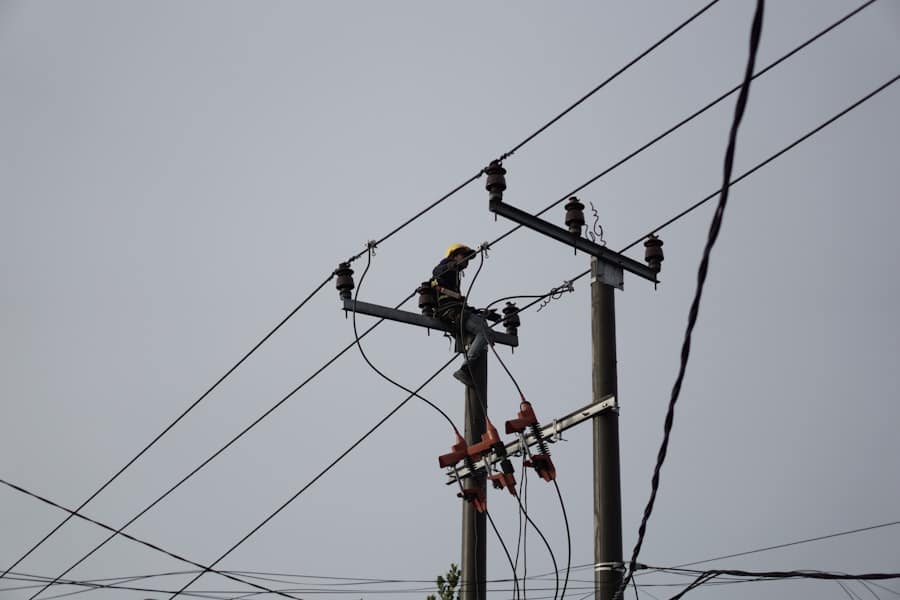
The hourly rates for electricians can vary based on experience, location, and the complexity of the job at hand. On average, homeowners can expect to pay between $50 and $100 per hour for a licensed electrician’s services. However, this rate can fluctuate based on several factors.
For instance, electricians with specialized skills or certifications may command higher rates due to their expertise in specific areas such as lighting design or energy-efficient installations. In addition to hourly rates, some electricians may offer flat-rate pricing for specific jobs, which can provide clarity on costs upfront. This pricing model is particularly common for straightforward tasks like replacing a light fixture or installing a ceiling fan.
However, for more complex projects that require troubleshooting or extensive rewiring, hourly billing may be more appropriate. Homeowners should always inquire about the pricing structure before hiring an electrician to ensure they understand how they will be charged for their services.
Additional Costs to Consider
When budgeting for light fitting projects, it’s essential to consider additional costs that may arise beyond the basic installation fee. One significant factor is the cost of materials, which can vary widely depending on the type of light fixture chosen. High-end fixtures made from premium materials or those with advanced technology features—such as smart lighting—can significantly increase overall expenses.
Additionally, if new wiring or electrical components are needed, these materials will add to the total cost. Permits and inspections are another potential expense that homeowners should factor into their budget. Many municipalities require permits for electrical work to ensure compliance with safety codes and regulations.
The cost of these permits can vary by location but typically ranges from $50 to $200. Furthermore, if an inspection is required after installation, this may incur additional fees. Homeowners should consult with their electrician about any necessary permits and inspections to avoid unexpected costs down the line.
Types of Lights and Their Installation Costs
The type of lighting fixture selected can have a profound impact on installation costs. For example, basic flush-mount ceiling lights are among the most affordable options to install, often costing between $100 and $150 for both materials and labor. In contrast, pendant lights or chandeliers can range from $200 to $600 or more, depending on their size and complexity.
These fixtures often require additional support and careful installation to ensure they are securely mounted. Recessed lighting is another popular choice that has gained traction in modern home design. While these fixtures provide a sleek and unobtrusive look, their installation can be more labor-intensive due to the need for cutting into ceilings and potentially running new wiring.
As a result, homeowners can expect to pay between $150 and $300 per fixture for recessed lighting installations. Additionally, specialty lighting options such as track lighting or under-cabinet lights may also incur varying costs based on their specific requirements and installation challenges.
The decision between undertaking a DIY light fitting project versus hiring a professional electrician is one that many homeowners face. While DIY projects can save money on labor costs, they come with inherent risks and challenges that should not be overlooked. Electrical work requires a solid understanding of safety protocols and local building codes; failing to adhere to these regulations can lead to dangerous situations such as electrical fires or shock hazards.
Moreover, improper installations may result in costly repairs down the line if issues arise due to faulty wiring or connections. On the other hand, hiring a professional electrician ensures that the job is completed safely and efficiently. Licensed electricians bring expertise and experience to the table, allowing them to navigate potential challenges with ease.
They are also familiar with local codes and regulations, ensuring compliance throughout the installation process. While hiring an electrician may involve higher upfront costs compared to DIY efforts, the peace of mind that comes from knowing the job is done correctly often outweighs these expenses.
Tips for Hiring an Electrician to Fit a Light
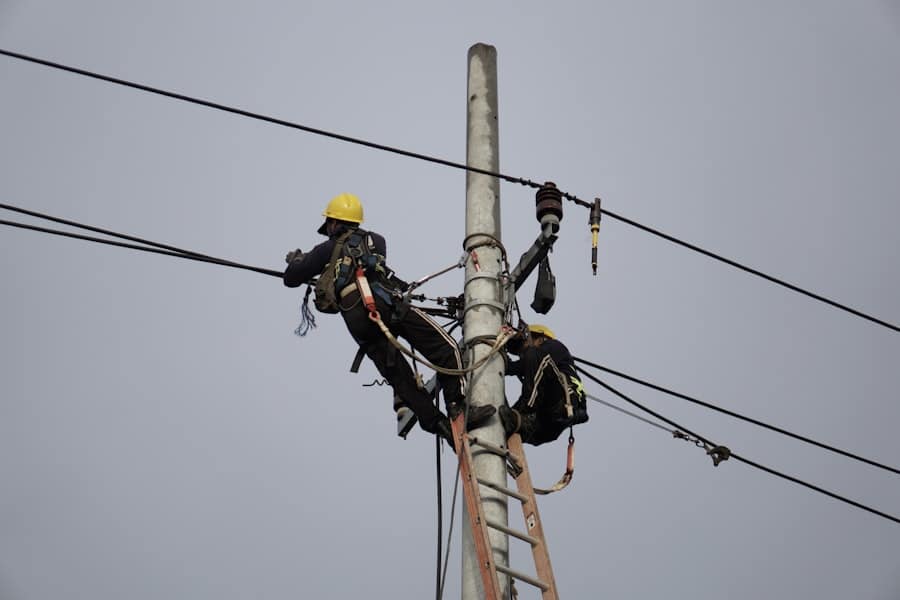
When it comes time to hire an electrician for light fitting projects, there are several key tips that homeowners should keep in mind to ensure they select the right professional for their needs. First and foremost, it’s essential to verify that any electrician being considered is licensed and insured. This not only protects homeowners from liability in case of accidents but also ensures that the electrician has met necessary training and competency standards.
Additionally, obtaining multiple quotes from different electricians can provide valuable insight into fair pricing for services rendered. Homeowners should ask detailed questions about what each quote includes—such as labor costs, materials, and any potential additional fees—to make informed comparisons. Checking online reviews and asking for references from previous clients can also help gauge an electrician’s reliability and quality of work.
Understanding Quotes and Estimates
Understanding quotes and estimates is crucial when planning any electrical work, including light fittings. A quote typically provides a detailed breakdown of all anticipated costs associated with a project, including labor rates, material expenses, and any additional fees such as permits or inspections. Estimates may be less detailed but still offer an approximation of expected costs based on initial assessments.
Homeowners should carefully review quotes to ensure they understand what is included in the pricing structure. It’s important to clarify any ambiguous terms or conditions before agreeing to proceed with work. Additionally, discussing potential contingencies—such as unexpected complications that could arise during installation—can help prevent misunderstandings later on.
Negotiating the Price with an Electrician
Negotiating the price with an electrician can be a delicate process but is often worthwhile for homeowners looking to manage their budgets effectively. When discussing pricing, it’s essential to approach negotiations respectfully while being clear about budget constraints. Providing context about why you’re seeking a lower price—such as competing quotes from other electricians—can help facilitate productive discussions.
It’s also beneficial to inquire about potential discounts or promotions that may be available. Some electricians offer seasonal discounts or special rates for first-time customers; asking about these opportunities could lead to significant savings on installation costs. However, it’s crucial not to compromise on quality in pursuit of lower prices; ensuring that you hire a qualified professional should remain a top priority throughout negotiations.
Warranty and Guarantees for Light Fittings
Warranties and guarantees are important considerations when fitting new lights in your home or business. Many manufacturers offer warranties on their products that cover defects in materials or workmanship for a specified period—often ranging from one year to several years depending on the brand and type of fixture purchased. Understanding these warranties can provide peace of mind regarding potential future repairs or replacements.
In addition to product warranties, homeowners should also inquire about guarantees offered by electricians regarding their workmanship. A reputable electrician will often provide some form of guarantee on their services, ensuring that if any issues arise shortly after installation—such as flickering lights or faulty connections—they will return to address these problems at no additional cost.
Importance of Hiring a Licensed Electrician
Hiring a licensed electrician is paramount when undertaking any electrical work, including fitting lights in residential or commercial spaces. Licensed electricians have undergone rigorous training and testing to ensure they possess the necessary knowledge and skills required for safe electrical installations. This expertise not only minimizes risks associated with electrical work but also ensures compliance with local building codes and regulations.
Moreover, licensed electricians are typically insured, providing an added layer of protection for homeowners in case of accidents or damages during installation. This insurance coverage means that if something goes wrong—whether it’s damage to property or injury—the homeowner is not held liable for associated costs. Ultimately, investing in a licensed professional not only enhances safety but also contributes to long-term satisfaction with your lighting installations.
When considering the costs associated with hiring an electrician to fit a light, it’s also important to think about the overall safety and efficiency of your home’s electrical system. For instance, you might find it beneficial to read about the advantages of whole-home surge protection in our article on shielding your home from electrical surges. This can help you understand how investing in protective measures can save you money in the long run by preventing damage to your electrical appliances.
FAQs
How much do electricians typically charge to fit a light?
Electricians usually charge between £40 and £80 per hour in the UK, with the total cost to fit a light often ranging from £50 to £150 depending on the complexity of the job and location.
What factors influence the cost of fitting a light?
The cost can be affected by factors such as the type of light fitting, the complexity of the installation, whether new wiring is needed, the electrician’s hourly rate, and the region where the work is carried out.
Is there a difference in cost between fitting different types of lights?
Yes, fitting a simple ceiling light is generally cheaper than installing more complex fixtures like chandeliers, recessed lighting, or outdoor lights, which may require additional work and materials.
Do electricians charge a flat fee or by the hour for fitting lights?
Many electricians charge by the hour, but some may offer a flat fee for straightforward light fitting jobs. It’s best to get a clear quote before work begins.
Are there additional costs besides the electrician’s labor charge?
Additional costs may include the price of the light fitting itself, any necessary materials like wiring or mounting brackets, and potential call-out fees.
Can I fit a light myself to save money?
While it is possible to fit some lights yourself, it is recommended to hire a qualified electrician to ensure the installation is safe and complies with electrical regulations.
Do electricians provide a warranty or guarantee for fitting lights?
Many electricians offer a warranty or guarantee on their workmanship, typically lasting from 6 months to a year, but it’s important to confirm this before hiring.
How can I get the best price for fitting a light?
To get the best price, obtain multiple quotes from qualified electricians, check reviews, and ensure the quote includes all potential costs to avoid surprises.