
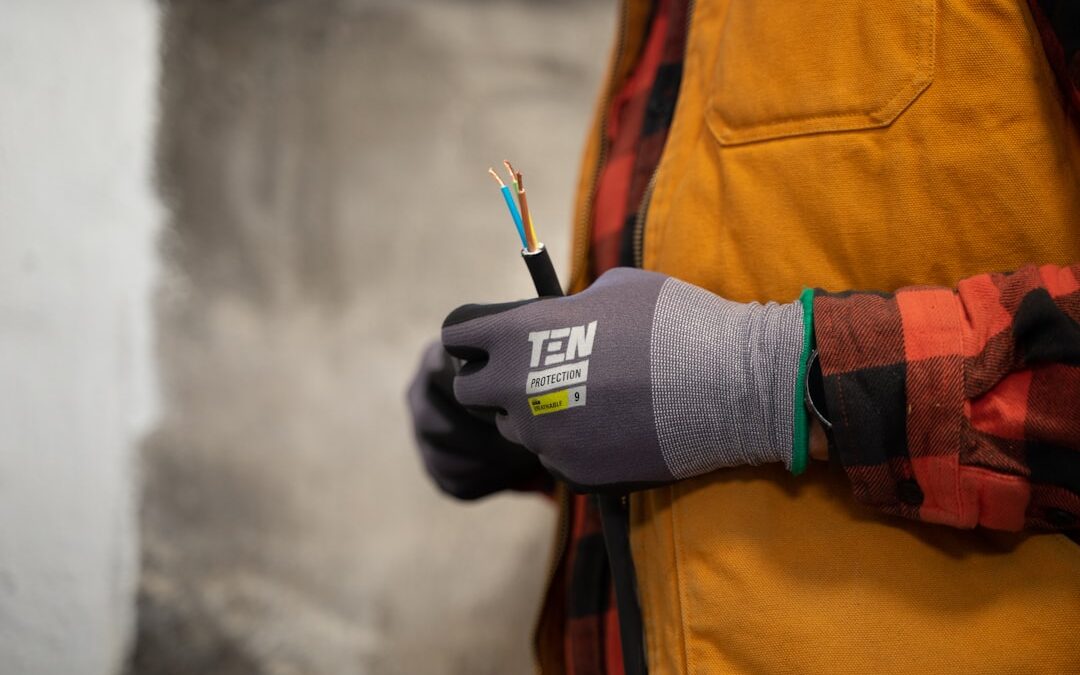
Hiring a licensed and insured electrician is essential for safety, legal compliance, and financial protection. Electrical work involves high-voltage systems that pose serious risks, including electrocution, fires, and property damage when improperly handled. Licensed electricians complete extensive training programs and certification requirements that ensure they understand electrical codes, safety protocols, and current industry standards.
Insurance coverage provides critical protection for both property owners and contractors. When an electrician carries liability insurance, it covers potential damages to property, injuries to workers, and other accidents that may occur during electrical work. Without proper insurance, property owners may face significant financial liability for workplace injuries or damage that occurs on their premises.
Licensed electricians must also comply with local building codes and permit requirements. This ensures that electrical installations meet safety standards and pass required inspections. Work performed by unlicensed individuals often fails to meet code requirements, potentially creating safety hazards and complications when selling property or filing insurance claims.
Additionally, many manufacturers’ warranties require installation by licensed professionals to remain valid.
Key Takeaways
- Always hire a licensed and insured electrician to ensure safety and legal compliance.
- Verify the electrician’s license and insurance credentials before hiring.
- Hiring unlicensed or uninsured electricians poses significant risks, including liability and poor workmanship.
- Request proof of insurance and licensing to protect yourself from potential damages or accidents.
- Research the electrician’s reputation and credentials to find a reliable and trustworthy professional.
Checking the electrician’s license and insurance credentials
Before hiring an electrician, it is essential to verify their licensing and insurance credentials. Each state has its own requirements for licensing electricians, which typically involve passing exams that test their knowledge of electrical theory, local codes, and safety practices. Homeowners should request a copy of the electrician’s license to ensure it is current and valid.
This step is crucial because it confirms that the electrician has met the necessary qualifications to perform electrical work legally in your area. In addition to checking the license, homeowners should also inquire about the electrician’s insurance coverage. A reputable electrician will carry liability insurance and workers’ compensation insurance.
Liability insurance protects homeowners from damages that may occur during the job, while workers’ compensation covers any injuries sustained by the electrician or their employees while working on your property. Requesting proof of these insurances not only demonstrates due diligence but also provides peace of mind knowing that you are protected in case of accidents or mishaps.
Verifying the electrician’s license and insurance status
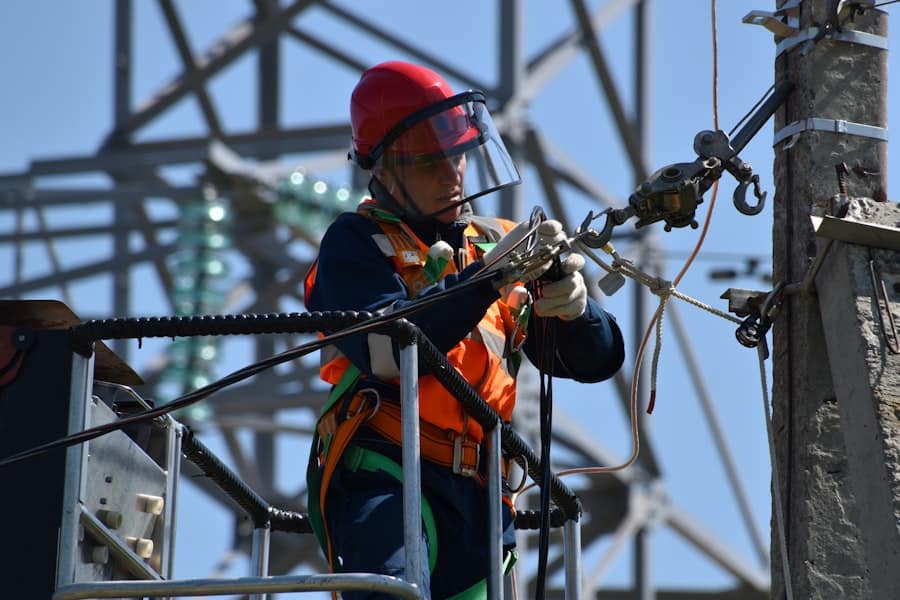
Verifying an electrician’s license and insurance status is a straightforward process that can save homeowners from potential headaches down the line. Most states have online databases where you can check the licensing status of electricians. By entering the electrician’s name or license number, you can quickly determine if they are licensed to operate in your state and if there have been any complaints or disciplinary actions against them.
This transparency is vital for making an informed decision about who to hire for your electrical needs. In addition to checking licensing status, it is equally important to verify their insurance coverage. Homeowners can contact the insurance company directly to confirm that the electrician’s policy is active and provides adequate coverage for the type of work being performed.
This step ensures that you are not only hiring a qualified professional but also one who is adequately insured against potential risks associated with electrical work. Taking these precautions can help prevent future disputes and financial liabilities.
Understanding the risks of hiring an unlicensed and uninsured electrician
Hiring an unlicensed and uninsured electrician poses significant risks that can have far-reaching consequences. One of the most immediate dangers is the lack of accountability; without a license, there is no regulatory body overseeing the electrician’s work. This absence of oversight can lead to subpar workmanship, which may not comply with local building codes or safety standards.
Poorly executed electrical work can result in hazardous situations such as electrical fires, shock hazards, or system failures that could endanger lives and property. Furthermore, if an unlicensed electrician causes damage during their work or suffers an injury on your property, you may find yourself facing substantial financial liabilities. Without insurance coverage, you could be responsible for medical bills or repair costs resulting from accidents or negligence.
Additionally, if the work performed is found to be faulty or unsafe, you may incur further expenses to hire a licensed professional to rectify the issues created by the unlicensed worker. The potential for financial loss and safety hazards makes it imperative to avoid hiring unlicensed and uninsured electricians.
Asking for proof of insurance and license before hiring an electrician
| Metric | Description | How to Verify | Importance |
|---|---|---|---|
| License Number | Unique identifier issued by state or local licensing board | Check with state licensing board website or call the board | Confirms electrician is legally authorized to work |
| Insurance Coverage | Proof of liability and workers’ compensation insurance | Request insurance certificate and verify with insurer | Protects you from liability in case of accidents or damages |
| Bonding Status | Surety bond that protects against incomplete or faulty work | Ask electrician for bond information and verify with bonding company | Ensures financial protection if work is not completed properly |
| References and Reviews | Feedback from previous customers about quality and reliability | Check online reviews and ask electrician for references | Helps assess electrician’s reputation and workmanship |
| Contract and Written Estimate | Formal agreement outlining scope, cost, and timeline | Request a detailed written contract before work begins | Provides legal protection and clarity on project details |
When considering an electrician for your project, it is essential to ask for proof of both their license and insurance before making a hiring decision. A reputable electrician will readily provide this information as part of their professional credentials. Requesting these documents not only demonstrates your commitment to ensuring quality work but also sets a standard for accountability from the outset of your working relationship.
When reviewing the proof of insurance, pay attention to the coverage limits and types of policies held by the electrician. Ensure that their liability insurance covers potential damages related to electrical work specifically. Additionally, confirm that their workers’ compensation policy is adequate to cover any injuries sustained by their employees while on your property.
By taking these steps, you can significantly reduce your risk and ensure that you are hiring a qualified professional who prioritizes safety and compliance.
The consequences of hiring an electrician without proper licensing and insurance
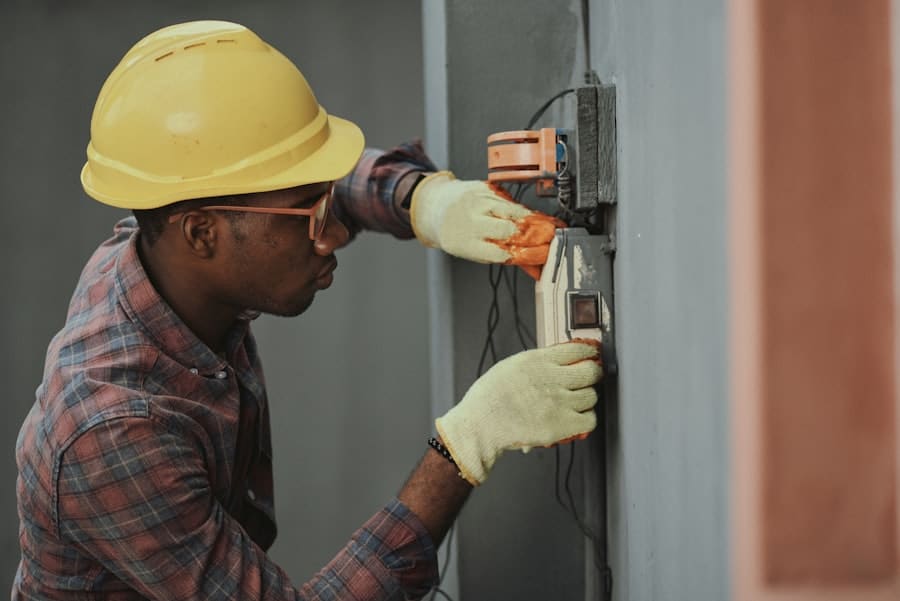
The consequences of hiring an electrician without proper licensing and insurance can be severe and multifaceted. One immediate consequence is the potential for substandard work that does not meet local building codes or safety regulations. This can lead to dangerous situations such as electrical fires or shock hazards, putting both residents and property at risk.
In many cases, unlicensed electricians may lack the necessary training to identify potential issues or implement safe practices during installations or repairs. Additionally, if an unlicensed electrician causes damage or injury while working on your property, you may find yourself facing significant financial repercussions. Without insurance coverage, you could be liable for medical expenses related to injuries sustained by the electrician or their employees.
Furthermore, if any damage occurs as a result of their work—such as faulty wiring leading to a fire—you may be responsible for repair costs as well as any legal claims that arise from such incidents. The long-term implications of hiring an unlicensed and uninsured electrician can lead to financial strain and safety concerns that far outweigh any initial savings on labor costs.
Researching the electrician’s credentials and reputation
Researching an electrician’s credentials and reputation is a critical step in ensuring you hire a qualified professional for your electrical needs. Start by looking for online reviews and testimonials from previous clients. Websites like Angie’s List, Yelp, or Google Reviews can provide valuable insights into an electrician’s work quality, reliability, and customer service.
Pay attention to patterns in feedback; consistent praise or complaints can give you a clearer picture of what to expect. In addition to online reviews, consider asking for references directly from the electrician. A reputable professional should be willing to provide contact information for past clients who can speak to their experience with the electrician’s work.
Speaking directly with previous customers allows you to ask specific questions about their satisfaction with the job performed, adherence to timelines, and overall professionalism. This thorough research process helps ensure that you are making an informed decision when selecting an electrician.
Understanding the difference between a licensed and unlicensed electrician
Understanding the difference between a licensed and unlicensed electrician is fundamental when making hiring decisions for electrical work. A licensed electrician has completed formal training programs and passed examinations that demonstrate their knowledge of electrical systems, safety protocols, and local building codes. This certification signifies that they are qualified to perform electrical work legally and competently within their jurisdiction.
Conversely, an unlicensed electrician lacks this formal training and certification, which raises concerns about their ability to perform safe and compliant work. While some unlicensed individuals may have practical experience in electrical tasks, they do not have the same level of accountability or oversight as licensed professionals. This distinction is critical because hiring an unlicensed electrician increases the risk of encountering substandard workmanship that could lead to safety hazards or costly repairs down the line.
The benefits of hiring a licensed and insured electrician
The benefits of hiring a licensed and insured electrician extend beyond mere compliance with legal requirements; they encompass safety, quality assurance, and peace of mind for homeowners. One significant advantage is that licensed electricians are trained professionals who understand complex electrical systems and adhere to local codes and regulations. This expertise ensures that all work performed meets safety standards, reducing the risk of accidents or malfunctions in the future.
Additionally, having insurance coverage means that both parties are protected in case of accidents or damages during the job. If something goes wrong—whether it’s damage to your property or an injury sustained by the electrician—insurance provides a financial safety net that can mitigate potential losses. This protection fosters a sense of security for homeowners who want assurance that they are making a sound investment in their electrical projects.
Knowing what to look for in a licensed and insured electrician
When searching for a licensed and insured electrician, there are several key factors to consider beyond just their credentials. First, evaluate their experience in handling projects similar to yours; electricians often specialize in specific areas such as residential wiring, commercial installations, or specialized systems like solar panels or home automation. Finding someone with relevant experience ensures they are familiar with the unique challenges your project may present.
Another important aspect is communication skills; a good electrician should be able to explain technical concepts in layman’s terms and keep you informed throughout the project timeline. Additionally, consider their availability; reliable electricians often have busy schedules but should be able to provide a clear timeline for when they can start your project and how long it will take to complete it. By assessing these qualities alongside their licensing and insurance status, you can make a more informed choice when selecting an electrician.
Tips for finding a reputable and reliable licensed and insured electrician
Finding a reputable and reliable licensed and insured electrician requires diligence and research but can ultimately lead to successful project outcomes. Start by seeking recommendations from friends, family members, or neighbors who have recently completed electrical work; personal referrals often yield trustworthy leads based on firsthand experiences. Once you have a list of potential electricians, conduct thorough background checks on each candidate by reviewing online ratings and testimonials as well as verifying their licenses and insurance coverage.
It’s also beneficial to interview multiple electricians before making a decision; asking questions about their experience with similar projects, approach to safety protocols, and warranty policies can provide valuable insights into their professionalism. Additionally, consider obtaining multiple quotes from different electricians; this not only helps you gauge fair pricing but also allows you to compare services offered by each candidate. Be wary of quotes that seem unusually low; they may indicate subpar workmanship or hidden costs down the line.
By following these tips diligently, you can increase your chances of finding a qualified professional who meets your electrical needs while ensuring safety and compliance throughout the process.
When hiring an electrician, it’s crucial to ensure they are licensed and insured to protect yourself from potential liabilities. For more insights on this topic, you might find it helpful to read our article on the latest news in electrical services, which discusses the importance of hiring qualified professionals and what to look for in their credentials.
FAQs
How can I verify if an electrician is licensed?
You can verify an electrician’s license by checking with your state’s licensing board or regulatory agency. Many states have online databases where you can search for licensed electricians by name or license number.
Why is it important to hire a licensed electrician?
Hiring a licensed electrician ensures that the professional has met the required training, experience, and safety standards. Licensed electricians are knowledgeable about local electrical codes and regulations, reducing the risk of faulty or unsafe work.
How do I confirm if an electrician is insured?
You can ask the electrician to provide proof of insurance, such as a certificate of insurance. This document should show coverage for general liability and workers’ compensation. You can also contact the insurance company directly to verify the policy.
What types of insurance should an electrician have?
An electrician should have general liability insurance to cover property damage or injuries caused during work, and workers’ compensation insurance to cover medical expenses if the electrician is injured on the job.
Can I trust online reviews to determine if an electrician is licensed and insured?
While online reviews can provide insight into an electrician’s reputation and quality of work, they do not confirm licensing or insurance status. Always verify licensing and insurance through official channels.
What questions should I ask an electrician before hiring?
Ask for their license number, proof of insurance, experience with similar projects, references, and whether they comply with local electrical codes and permits.
What risks are involved in hiring an unlicensed or uninsured electrician?
Hiring an unlicensed or uninsured electrician can lead to substandard work, safety hazards, legal issues, and financial liability if accidents or damages occur during the job.
Is licensing and insurance required by law for electricians?
Yes, most states require electricians to be licensed and carry insurance to legally perform electrical work. Requirements vary by location, so check local regulations.