
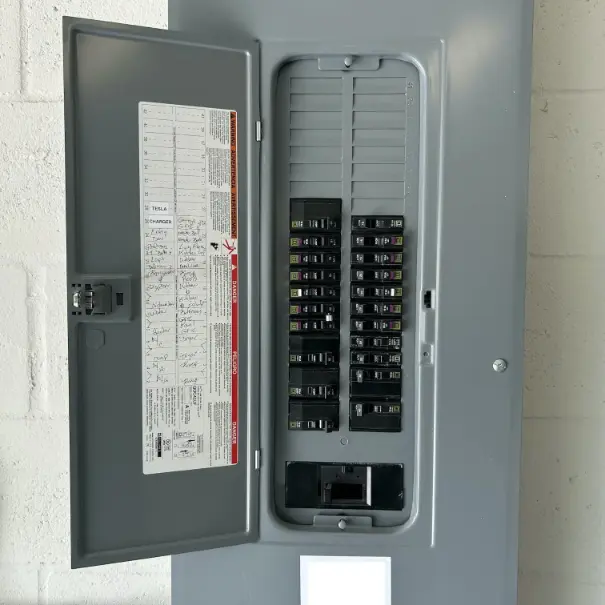
Circuit breaker tripping occurs when the electrical safety mechanism activates to prevent system overload, short circuits, or ground faults. This protective function interrupts electrical flow when circuits exceed their designed capacity or when dangerous conditions are detected. Common causes of frequent circuit breaker tripping include:
**Overloaded circuits**: When electrical demand exceeds the circuit’s amperage rating, typically caused by connecting too many devices to a single circuit or using high-wattage appliances simultaneously.
**Short circuits**: These occur when hot wires contact neutral wires or other hot wires, creating an unintended electrical path that draws excessive current. **Ground faults**: Electrical current escapes its intended path and flows to ground, often through water or damaged insulation. **Arc faults**: Damaged or loose wiring creates electrical arcing, which can generate heat and pose fire risks.
Homes built before 1960 often contain electrical systems designed for lower power consumption than modern households require. These systems typically feature 60-amp service panels and fewer circuits, inadequate for today’s electronic devices, appliances, and lighting demands. Contemporary homes generally require 100-amp or 200-amp service panels with multiple dedicated circuits for different areas and high-power appliances.
Persistent circuit breaker tripping requires professional electrical inspection to identify the root cause. Repeatedly resetting tripped breakers without addressing underlying issues can result in electrical fires, equipment damage, or electrocution hazards. Licensed electricians can assess circuit loads, inspect wiring integrity, and recommend system upgrades when necessary.
Key Takeaways
- Frequent circuit breaker trips and flickering lights often indicate electrical panel issues.
- Outdated panels with fuses may not handle modern power demands safely.
- Adding new appliances or home renovations can overload existing electrical systems.
- Upgrading panels ensures compliance with current safety codes and power needs.
- Always consult a professional electrician for diagnosis and safe upgrades.
Flickering or Dimming Lights
Flickering or dimming lights can be an annoying nuisance, but they can also indicate more serious electrical issues within a home. This phenomenon often occurs when there is an inconsistency in the electrical supply to the light fixtures. One common cause of flickering lights is loose or faulty wiring connections.
If the wiring is not securely connected to the light fixture or the switch, it can lead to intermittent power supply, resulting in flickering. Homeowners should inspect their light fixtures and switches for any visible signs of wear or damage that could contribute to this problem. Another potential cause of dimming lights is an overloaded circuit.
When too many devices draw power from the same circuit, it can lead to voltage drops that cause lights to dim temporarily. This is particularly noticeable when high-wattage appliances, such as refrigerators or air conditioners, cycle on and off. In such cases, homeowners may need to redistribute their electrical load across different circuits or consider upgrading their electrical panel to accommodate their power needs better.
Addressing flickering or dimming lights promptly is crucial, as it can be a sign of underlying issues that could pose safety risks.
Outdated Panel with Fuses

An outdated electrical panel with fuses is a significant concern for many homeowners, especially those living in older properties. Fuse boxes were once the standard for residential electrical systems, but they have largely been replaced by circuit breaker panels due to their enhanced safety features and ease of use. Fuses can blow when overloaded, requiring replacement each time they do so, which can be inconvenient and indicative of an underlying problem with the electrical system.
Moreover, fuse boxes typically have lower capacity than modern circuit breaker panels, making them ill-suited for today’s energy demands. Homeowners with fuse boxes should consider upgrading to a modern circuit breaker panel for several reasons. First and foremost, circuit breakers provide better protection against overloads and short circuits by automatically tripping when an issue arises.
Additionally, modern panels often come equipped with GFCI (Ground Fault Circuit Interrupter) and AFCI (Arc Fault Circuit Interrupter) breakers that enhance safety by preventing electrical shocks and reducing fire risks. Upgrading from a fuse box to a circuit breaker panel not only improves safety but also increases the overall efficiency of the home’s electrical system.
Overloaded Circuits
Overloaded circuits are a prevalent issue in many households, particularly those with numerous electronic devices and appliances. An overloaded circuit occurs when the total wattage of all devices connected to a single circuit exceeds its capacity, leading to tripped breakers or blown fuses. This situation can arise in various scenarios, such as during family gatherings when multiple devices are in use simultaneously or when new appliances are added without considering the existing load on the circuits.
To mitigate the risk of overloaded circuits, homeowners should be mindful of how they distribute their electrical load throughout their home. It is advisable to avoid plugging multiple high-wattage appliances into the same outlet or circuit. For example, running a space heater and a microwave on the same circuit can easily exceed its capacity.
Homeowners may also consider consulting with an electrician to evaluate their current electrical system and determine if additional circuits are needed to accommodate their power needs safely.
Insufficient Power Supply
| Indicator | Description | Typical Metric/Sign | Why It Matters |
|---|---|---|---|
| Frequent Circuit Breaker Trips | Breakers trip often when using multiple appliances | More than 2-3 trips per week | Panel may be overloaded or outdated, risking electrical hazards |
| Flickering or Dimming Lights | Lights dim or flicker when appliances turn on | Noticeable dimming during appliance startup | Indicates insufficient power supply or panel capacity |
| Age of Electrical Panel | How old the panel is | Panels older than 25-30 years | Older panels may not meet current safety standards or power needs |
| Insufficient Number of Circuits | Not enough circuits for current electrical load | Regular use of extension cords or power strips | Can cause overload and increase fire risk |
| Use of Fuses Instead of Breakers | Panel uses fuses rather than circuit breakers | Fuse-based panel | Fuses are outdated and less safe than breakers |
| Burning Smell or Discoloration | Smell of burning or visible discoloration around panel | Any burning odor or dark marks | Sign of overheating or electrical faults, immediate attention needed |
| Adding High-Power Appliances | Installing new appliances like HVAC, electric car charger | Appliance requires 50+ amps | May exceed panel capacity, requiring upgrade |
An insufficient power supply can lead to various electrical issues within a home, affecting everything from lighting to appliance performance. This problem often arises when the electrical service provided by the utility company does not meet the demands of the household. Factors such as an increase in the number of electronic devices or appliances can exacerbate this issue over time.
For instance, homes that were built decades ago may have been designed with lower power requirements in mind and may struggle to support modern energy demands. To address insufficient power supply issues, homeowners may need to upgrade their electrical service from the utility company. This process typically involves increasing the amperage of the service panel and ensuring that the wiring throughout the home can handle the increased load.
Additionally, homeowners should assess their energy consumption habits and consider energy-efficient appliances that consume less power while still providing adequate performance. By taking these steps, homeowners can ensure that their electrical systems are capable of meeting their needs without risking damage or safety hazards.
Adding New Appliances or Electronics

The addition of new appliances or electronics can significantly impact a home’s electrical system, often leading to complications if not managed properly. When homeowners purchase new devices—such as refrigerators, washing machines, or entertainment systems—they must consider whether their existing electrical infrastructure can support these additions. Many modern appliances require substantial power to operate efficiently; thus, failing to account for this demand can result in overloaded circuits or frequent tripping of breakers.
Before introducing new appliances into the home, it is wise for homeowners to evaluate their current electrical capacity and layout. This evaluation may involve consulting with an electrician who can assess whether additional circuits are necessary or if upgrades to the existing panel are required. For example, if a homeowner plans to install a high-capacity electric oven, they must ensure that there is a dedicated circuit capable of handling its power requirements.
By proactively addressing these concerns before adding new devices, homeowners can avoid potential disruptions and ensure their electrical systems remain safe and functional.
Home Renovations or Additions
Home renovations or additions present unique challenges regarding electrical systems that homeowners must navigate carefully. Whether expanding living spaces or updating outdated wiring during renovations, it is crucial to ensure that the electrical system is adequately equipped to handle any changes made to the home’s layout or functionality. For instance, adding new rooms may require additional circuits and outlets to accommodate lighting and power needs effectively.
During renovations, homeowners should also consider compliance with local building codes and regulations regarding electrical installations. These codes are designed to ensure safety and efficiency in residential electrical systems. Engaging a licensed electrician during renovations can help ensure that all work meets code requirements while also providing valuable insights into optimizing the home’s electrical layout for future needs.
By prioritizing proper planning and execution during renovations, homeowners can enhance both the functionality and safety of their electrical systems.
Safety Concerns
Safety concerns surrounding residential electrical systems cannot be overstated; they are paramount for any homeowner looking to maintain a secure living environment. Electrical hazards can manifest in various forms, including exposed wiring, overloaded circuits, and outdated panels—all of which pose significant risks of fire or electrocution if left unaddressed. Homeowners should remain vigilant about identifying potential hazards within their homes and take proactive measures to mitigate risks.
Regular inspections of electrical systems are essential for identifying safety concerns early on. Homeowners should look for signs such as frayed wires, scorch marks around outlets, or frequently tripped breakers—all indicators that something may be amiss within the system. Additionally, installing smoke detectors and carbon monoxide detectors throughout the home can provide an added layer of safety by alerting residents to potential dangers before they escalate into emergencies.
By prioritizing safety in their homes’ electrical systems, homeowners can protect themselves and their families from preventable accidents.
Age of the Electrical Panel
The age of an electrical panel plays a critical role in determining its reliability and safety for modern households. Many older homes still utilize panels that were installed several decades ago when electrical demands were significantly lower than they are today. These outdated panels may lack essential safety features found in contemporary models and may not be equipped to handle the increased load from today’s appliances and electronics.
Homeowners should be aware that older panels may also be prone to wear and tear over time, leading to potential malfunctions or failures. For example, corrosion on terminals or deterioration of internal components can compromise the panel’s performance and safety. If a homeowner suspects that their panel is outdated—typically anything over 20 years old—it is advisable to consult with an electrician about upgrading to a newer model that meets current standards and provides enhanced protection against electrical hazards.
Upgrading to Meet Code Requirements
Upgrading an electrical system to meet code requirements is not only essential for safety but also necessary for compliance with local regulations governing residential properties. Building codes are established to ensure that all electrical installations adhere to specific safety standards designed to protect residents from hazards such as fires and electrocution. As technology evolves and new safety measures are developed, these codes are periodically updated; thus, older homes may fall short of current requirements.
Homeowners considering upgrades should work closely with licensed electricians who are familiar with local codes and regulations. An electrician can conduct a thorough assessment of the existing system and recommend necessary upgrades—such as replacing outdated wiring or installing GFCI outlets in wet areas—to bring the home up to code. Not only does this enhance safety for residents, but it also increases property value by ensuring compliance with regulations that prospective buyers will expect.
Consulting with a Professional Electrician
Consulting with a professional electrician is crucial for homeowners facing any issues related to their electrical systems. Electricians possess specialized knowledge and training that enable them to diagnose problems accurately and recommend appropriate solutions tailored to each unique situation. Whether dealing with frequent circuit breaker tripping or planning extensive renovations, seeking professional guidance ensures that all work is performed safely and effectively.
Moreover, professional electricians stay updated on industry standards and local building codes, which is invaluable when making decisions about upgrades or repairs. They can provide insights into energy-efficient solutions that not only enhance performance but also reduce energy costs over time. By engaging with an experienced electrician, homeowners can navigate complex electrical issues confidently while ensuring their homes remain safe and functional for years to come.
If you’re wondering whether it’s time to upgrade your electrical panel, it’s essential to consider the overall condition of your electrical system and any recent changes in your energy needs. For more insights on maintaining your electrical systems, you might find it helpful to read about the services offered by local professionals. For instance, check out this article on Naples Electrician and Air Conditioning, which discusses various electrical services that can help ensure your home is safe and efficient.
FAQs
What is an electrical panel?
An electrical panel, also known as a breaker panel or fuse box, is the main distribution point for electrical circuits in a home or building. It divides the electrical power feed into subsidiary circuits and provides a protective fuse or circuit breaker for each circuit.
Why would I need to upgrade my electrical panel?
You may need to upgrade your electrical panel if it cannot handle the electrical load of your home, if it is outdated or unsafe, or if you are adding new appliances or systems that require more power. Upgrading ensures safety and prevents electrical hazards.
What are common signs that indicate an electrical panel upgrade is needed?
Common signs include frequent circuit breaker trips, flickering or dimming lights, burning smells or scorch marks near the panel, outdated fuse boxes, insufficient number of circuits, and the presence of aluminum wiring or Federal Pacific panels.
How old is too old for an electrical panel?
Electrical panels older than 25-30 years may be outdated and could require upgrading, especially if they use obsolete technology or do not meet current electrical codes.
Can I upgrade my electrical panel myself?
Upgrading an electrical panel is a complex and potentially dangerous task that should be performed by a licensed electrician to ensure safety and compliance with local codes.
What are the benefits of upgrading an electrical panel?
Upgrading can increase electrical capacity, improve safety, reduce the risk of electrical fires, accommodate new appliances or technology, and increase the value of your home.
How much does it typically cost to upgrade an electrical panel?
Costs vary depending on the size of the panel, complexity of the installation, and local labor rates, but generally range from $1,000 to $3,000 or more.
How do I know what size electrical panel I need?
The size depends on your home’s electrical load requirements, which are calculated based on the number and type of appliances, lighting, and other electrical devices. A licensed electrician can perform a load calculation to determine the appropriate panel size.
Is it necessary to get a permit for an electrical panel upgrade?
Yes, most local jurisdictions require permits and inspections for electrical panel upgrades to ensure the work meets safety codes and standards.
What risks are associated with not upgrading an outdated electrical panel?
Risks include electrical fires, frequent power outages, damage to appliances, and potential safety hazards to occupants.