
When it comes to home improvement projects, particularly those involving electrical work, understanding the scope of the issue is paramount. Electrical systems are intricate and can vary significantly from one home to another, influenced by factors such as age, design, and local building practices. For instance, an older home may have outdated wiring that does not meet current safety standards, while a newer construction might incorporate advanced technology that requires specialized knowledge.
Recognizing the specific nature of the electrical issue at hand—whether it’s a simple outlet replacement or a more complex circuit upgrade—can help homeowners determine the best course of action. Moreover, the implications of electrical work extend beyond mere functionality; they encompass safety, compliance with regulations, and potential impacts on property value. A seemingly minor electrical issue can escalate into a significant hazard if not addressed properly.
For example, faulty wiring can lead to electrical fires, which are a leading cause of home insurance claims. Therefore, understanding the scope of the issue involves not only identifying the immediate problem but also considering the broader context of safety and compliance.
Key Takeaways
- Assess your skills and the complexity of the electrical issue before attempting DIY repairs.
- Identify potential safety risks and always prioritize safety measures to prevent accidents.
- Understand local building codes and legal implications to ensure compliance and avoid penalties.
- Weigh the cost and benefits of DIY versus hiring a professional for electrical work.
- Know when to seek professional help, especially for complex or high-risk electrical problems.
Assessing Your Skills and Knowledge
Before embarking on any electrical project, it is crucial to assess your own skills and knowledge in the field. Many homeowners may feel confident in their DIY abilities, but electrical work requires a specific set of skills that not everyone possesses. For instance, understanding how to read electrical schematics, knowing how to safely handle live wires, and being familiar with various tools and materials are essential competencies for anyone attempting electrical repairs or installations.
A lack of knowledge in these areas can lead to mistakes that could compromise safety or result in costly repairs. Additionally, it is important to recognize the limits of your expertise. While some tasks may seem straightforward—like changing a light fixture or replacing a switch—others can be deceptively complex.
For example, installing a new circuit or upgrading a panel requires a deep understanding of electrical load calculations and local codes. Homeowners should take an honest inventory of their skills and consider whether they have the necessary training or experience to tackle the project at hand. If there is any doubt, it may be wise to consult with a professional electrician who can provide guidance or take over the project entirely.
Identifying Potential Safety Risks

Electrical work inherently carries safety risks that must be carefully considered before proceeding with any project. One of the most significant dangers is the risk of electric shock, which can occur when working with live wires or faulty equipment. Even experienced electricians take precautions to ensure their safety, such as using insulated tools and wearing appropriate personal protective equipment (PPE).
Homeowners should be aware that the risk of shock increases significantly when working in damp areas or with outdated wiring systems that may not have proper grounding. In addition to electric shock, there are other potential hazards associated with electrical work. For instance, improper installation can lead to overheating and fires, which pose a serious threat to life and property.
According to the National Fire Protection Association (NFPA), electrical failures or malfunctions were involved in an estimated 47,700 reported home structure fires in 2019 alone. This statistic underscores the importance of identifying potential safety risks before undertaking any electrical project. Homeowners should conduct thorough research and consider consulting with professionals to ensure that they are aware of all possible hazards associated with their specific situation.
Evaluating the Complexity of the Problem
The complexity of an electrical problem can vary widely based on several factors, including the nature of the issue, the existing wiring system, and the desired outcome. For example, replacing a light switch is generally a straightforward task that most homeowners can handle with basic tools and knowledge. In contrast, installing a new circuit for additional outlets or appliances involves a deeper understanding of electrical systems and may require significant modifications to existing wiring.
Evaluating complexity also involves considering the potential for unforeseen complications. For instance, when opening walls to access wiring for upgrades or repairs, homeowners may discover outdated materials or code violations that need to be addressed before proceeding. This can add layers of complexity to what initially seemed like a simple project.
Therefore, it is essential to approach any electrical issue with a clear understanding of its complexity and to be prepared for potential challenges that may arise during the process.
Considering the Legal and Insurance Implications
| Issue | Can You Fix It Yourself? | When to Call an Electrician | Risk Level |
|---|---|---|---|
| Replacing a light bulb | Yes | No need | Low |
| Resetting a tripped circuit breaker | Yes | If breaker trips repeatedly | Low to Medium |
| Replacing a fuse | Yes, if you know the correct type | If fuse blows repeatedly | Medium |
| Installing a new light fixture | Yes, with basic electrical knowledge | If unsure about wiring or local codes | Medium |
| Fixing faulty outlets or switches | Only if comfortable and knowledgeable | If outlets are sparking, hot, or damaged | High |
| Frequent power surges or flickering lights | No | Call an electrician immediately | High |
| Exposed or damaged wiring | No | Call an electrician immediately | Very High |
| Electrical shocks when touching appliances | No | Call an electrician immediately | Very High |
| Upgrading electrical panel or wiring | No | Always call a licensed electrician | Very High |
Engaging in electrical work without adhering to local laws and regulations can have serious legal implications. Many jurisdictions require permits for certain types of electrical work, particularly those that involve significant changes to existing systems or new installations. Failing to obtain the necessary permits can result in fines and complications when selling a home in the future.
Additionally, if an unpermitted job leads to damage or injury, homeowners may find themselves liable for any resulting claims. Insurance implications also play a critical role in deciding whether to undertake electrical work independently or hire a professional. Homeowners should review their insurance policies to understand what is covered in terms of DIY projects versus professional work.
Some policies may not cover damages resulting from unlicensed work or may impose higher deductibles for claims related to DIY electrical projects. Consulting with an insurance agent can provide clarity on these issues and help homeowners make informed decisions about their projects.
One of the most significant considerations when deciding whether to tackle an electrical project yourself or hire a professional is cost. DIY projects often appear more economical at first glance; however, this perspective can be misleading. While homeowners may save on labor costs by doing the work themselves, they must also factor in potential expenses related to mistakes or accidents that could arise from inadequate knowledge or experience.
For example, if a homeowner incorrectly installs wiring and causes damage to appliances or creates a fire hazard, the financial repercussions could far exceed any initial savings. On the other hand, hiring a licensed electrician comes with its own set of costs but also offers peace of mind. Professionals bring expertise and experience that can prevent costly errors and ensure compliance with local codes and regulations.
Additionally, many electricians provide warranties on their work, which can offer further protection against future issues. When weighing costs, homeowners should consider both immediate expenses and long-term implications to make an informed decision about whether to proceed with DIY efforts or enlist professional help.
Researching Local Building Codes and Regulations
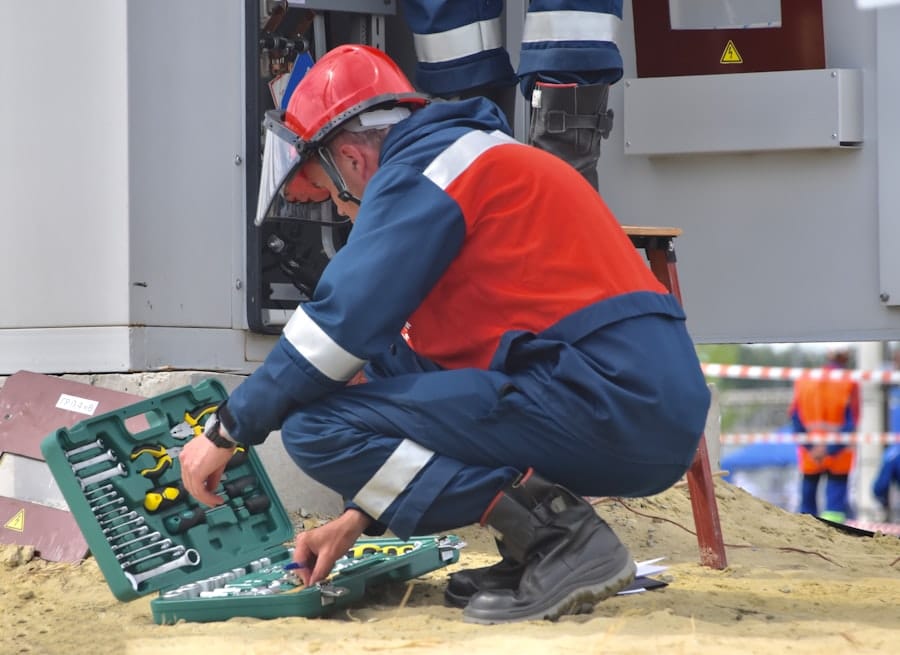
Understanding local building codes and regulations is essential for anyone considering electrical work in their home. These codes are designed to ensure safety and compliance with established standards for electrical installations and modifications. They vary by location and can dictate everything from wire gauge requirements to grounding practices and circuit configurations.
Failing to adhere to these codes can result in fines, complications during home inspections, and even safety hazards. Homeowners should take the time to research their local codes before beginning any electrical project. This may involve visiting municipal websites or contacting local building departments for guidance on specific requirements related to their projects.
Additionally, many communities offer resources such as workshops or informational sessions on home improvement topics that can provide valuable insights into local regulations. By familiarizing themselves with these codes upfront, homeowners can avoid potential pitfalls and ensure that their work meets all necessary standards.
Seeking Advice from Trusted Sources
When faced with an electrical issue, seeking advice from trusted sources can provide valuable insights and guidance. This could include consulting with friends or family members who have experience in electrical work or reaching out to professionals for advice on specific problems. Online forums and community groups dedicated to home improvement can also serve as useful resources where homeowners can ask questions and share experiences.
However, it is crucial to discern between reliable information and anecdotal advice that may not be applicable or safe. Homeowners should prioritize information from reputable sources such as licensed electricians, industry publications, or official building code resources. Engaging with professionals not only provides access to expert knowledge but also helps establish connections for future projects if needed.
Knowing When to Seek Professional Help
Recognizing when it is time to seek professional help is an essential skill for homeowners tackling electrical issues. While some minor tasks may be manageable for those with basic skills, there are situations where professional intervention is necessary for safety and compliance reasons. For instance, if a homeowner encounters frequent circuit breaker trips or flickering lights throughout the house, these symptoms could indicate underlying issues that require expert diagnosis.
Additionally, any project involving high-voltage systems or significant modifications should be approached with caution. Homeowners should not hesitate to call in professionals when faced with uncertainty about their ability to complete a task safely or correctly. The cost of hiring an electrician can be justified by the peace of mind that comes from knowing the work will be done safely and in accordance with all relevant codes.
Exploring DIY Solutions for Minor Electrical Issues
For homeowners who feel confident in their skills and are dealing with minor electrical issues, there are several DIY solutions worth exploring. Simple tasks such as replacing light fixtures, installing dimmer switches, or changing out outlets can often be completed safely with basic tools and knowledge. Online tutorials and instructional videos provide step-by-step guidance that can empower homeowners to tackle these projects effectively.
However, even minor projects require careful attention to detail and adherence to safety protocols. Homeowners should always turn off power at the circuit breaker before beginning any work and use insulated tools designed for electrical tasks. Additionally, it is wise to double-check connections and ensure that all components are compatible before re-energizing circuits after completing repairs.
Taking Precautions and Safety Measures
Safety should always be the top priority when undertaking any electrical work at home. Homeowners must take appropriate precautions to minimize risks associated with electric shock or fire hazards. This includes wearing personal protective equipment such as gloves and safety goggles while working on electrical systems.
Furthermore, ensuring that work areas are well-lit and free from clutter can help prevent accidents during projects. Another critical safety measure involves using tools specifically designed for electrical work. Insulated tools help protect against accidental contact with live wires while providing better grip and control during tasks.
Homeowners should also familiarize themselves with emergency procedures in case of accidents—knowing how to shut off power quickly or how to respond if someone receives an electric shock can make all the difference in ensuring safety during DIY projects. By taking these precautions seriously and remaining vigilant throughout any electrical project, homeowners can significantly reduce risks while enhancing their skills in managing their home’s electrical systems effectively.
When determining whether to call an electrician or tackle a problem yourself, it’s essential to assess the situation carefully. For instance, if you’re considering the implications of electrical issues on your HVAC system, you might find it helpful to read about the benefits of whole home surge protection in this related article. This resource can provide valuable insights into how electrical problems can affect your home’s systems and when it’s best to seek professional help.
FAQs
How can I determine if an electrical issue is safe to fix myself?
If the problem involves simple tasks like replacing a light bulb, changing batteries in a smoke detector, or resetting a tripped circuit breaker, it is generally safe to handle yourself. However, if the issue involves exposed wiring, frequent circuit breaker trips, burning smells, or flickering lights, it is best to call a licensed electrician.
What are common signs that indicate I should call an electrician?
Common signs include persistent electrical problems, such as outlets or switches that don’t work, sparks or smoke from outlets, burning smells, frequent power outages in specific areas, buzzing sounds from electrical panels, or any visible damage to wiring or electrical components.
Are there any electrical repairs that homeowners should never attempt?
Yes, homeowners should never attempt repairs involving the main electrical panel, circuit breaker replacements, rewiring, or any work that requires opening junction boxes or handling live wires. These tasks require professional training to avoid serious injury or fire hazards.
What safety precautions should I take before attempting minor electrical repairs?
Always turn off the power at the circuit breaker before starting any electrical work. Use a voltage tester to ensure the circuit is de-energized. Wear insulated gloves and use tools with insulated handles. If you are unsure about any step, it is safer to call a professional.
Can I save money by fixing electrical problems myself?
While minor repairs can save money, improper handling of electrical issues can lead to costly damage, injury, or fire. It is often more cost-effective and safer to hire a licensed electrician for anything beyond basic maintenance or replacement tasks.
How do I find a qualified electrician if I decide not to fix the problem myself?
Look for electricians who are licensed, insured, and have good reviews or recommendations. Verify their credentials with local licensing boards and ask for estimates before work begins. A reputable electrician will also provide a clear explanation of the problem and the necessary repairs.