
The profession of an electrician is often regarded as a cornerstone of modern infrastructure, playing a critical role in the installation, maintenance, and repair of electrical systems. As society becomes increasingly reliant on technology and electrical systems, the demand for skilled electricians continues to grow. This demand translates into a variety of earnings potential for those in the field.
Electricians’ earnings can vary significantly based on a multitude of factors, including experience, location, and specialization. Understanding the financial landscape of this profession is essential for aspiring electricians and those considering a career change. Electricians are not only responsible for ensuring that homes and businesses have safe and reliable electrical systems, but they also contribute to the advancement of renewable energy technologies and smart home systems.
As the industry evolves, so too do the opportunities for electricians to increase their earnings. This article delves into the various factors that influence electricians’ income, providing a comprehensive overview of their average salaries, the highest-paying industries, geographic variations, benefits, and opportunities for advancement.
Key Takeaways
- Electricians’ income varies widely based on factors like experience, location, and industry.
- Specialized certifications and advanced skills can significantly boost electricians’ earnings.
- Certain industries, such as construction and manufacturing, offer higher pay for electricians.
- Geographic location plays a crucial role in determining salary levels for electricians.
- Career advancement and self-employment opportunities can lead to increased financial rewards.
Factors Affecting Electricians’ Income
Several key factors influence the income of electricians, with experience being one of the most significant determinants. Entry-level electricians typically earn lower wages as they are still acquiring the necessary skills and knowledge to perform their jobs effectively. As they gain experience and complete apprenticeships, their earning potential increases substantially.
For instance, a newly licensed electrician may start with an annual salary in the range of $30,000 to $40,000, while those with several years of experience can earn upwards of $60,000 or more. Another critical factor affecting electricians’ income is the type of work they perform. Electricians can specialize in various areas such as residential, commercial, or industrial electrical work.
Each specialization comes with its own set of challenges and complexities, which can impact earnings. For example, industrial electricians who work in manufacturing plants or large-scale facilities often command higher wages due to the specialized skills required to handle complex machinery and systems. Additionally, electricians who take on roles in project management or supervisory positions may also see a significant increase in their earnings.
Average Salary of Electricians
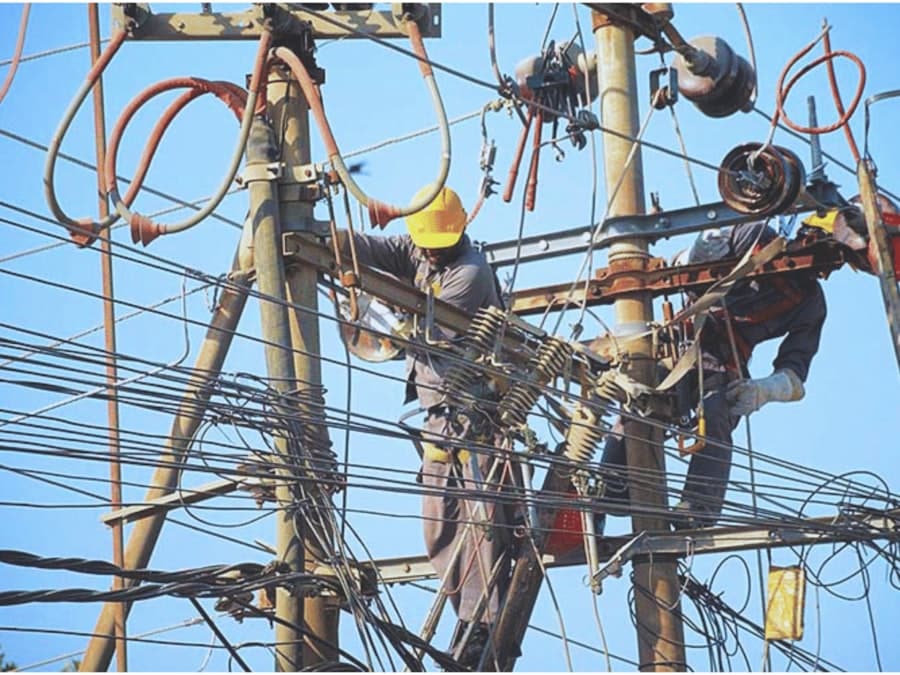
The average salary for electricians can vary widely based on several factors, including geographic location, level of experience, and type of employment. According to data from the U.S. Bureau of Labor Statistics (BLS), as of May 2022, the median annual wage for electricians was approximately $60,000.
However, this figure can fluctuate significantly; for instance, entry-level positions may start around $35,000 annually, while seasoned professionals can earn well over $80,000. In addition to base salaries, many electricians receive overtime pay for hours worked beyond the standard 40-hour workweek. This can further enhance their overall earnings.
For example, electricians who work on large construction projects may find themselves working extended hours to meet deadlines, resulting in substantial overtime compensation. Furthermore, electricians who are part of unions often benefit from collective bargaining agreements that can lead to higher wages and better working conditions compared to non-unionized counterparts.
Highest-Paying Industries for Electricians
Electricians can find lucrative opportunities across various industries, but certain sectors tend to offer higher salaries than others. The construction industry is one of the most prominent employers of electricians and often provides competitive wages due to the high demand for skilled labor in building projects. However, industries such as manufacturing and utilities frequently offer even higher compensation packages.
For instance, electricians working in the utility sector—particularly those involved in power generation and distribution—often earn some of the highest salaries in the field. These professionals are responsible for maintaining and repairing high-voltage systems that require specialized training and expertise. According to industry reports, electricians in the utility sector can earn upwards of $80,000 annually, with some experienced professionals exceeding $100,000.
Additionally, the renewable energy sector is emerging as a high-paying industry for electricians. As more companies invest in solar and wind energy projects, there is a growing need for skilled electricians who can install and maintain these systems. Electricians specializing in renewable energy technologies may find themselves earning competitive salaries while contributing to sustainable practices.
Geographic Variations in Electricians’ Earnings
Geographic location plays a crucial role in determining electricians’ earnings. Urban areas with high living costs typically offer higher salaries to compensate for expenses. For example, electricians working in cities like San Francisco or New York often earn significantly more than their counterparts in rural areas or smaller towns.
The BLS reports that states such as California and New York consistently rank among the highest-paying states for electricians. Conversely, regions with lower living costs may offer lower salaries but can still provide a comfortable standard of living. For instance, states like Arkansas or Mississippi may have lower average wages for electricians; however, the cost of living is also considerably lower than in metropolitan areas.
This dynamic means that while an electrician’s salary may be lower in these regions, it may still afford them a reasonable quality of life. Moreover, local demand for electrical services can also influence earnings. Areas experiencing rapid growth or development often see increased demand for skilled electricians, leading to higher wages as employers compete for talent.
In contrast, regions with stagnant economies may struggle to provide competitive salaries due to limited job opportunities.
Benefits and Perks for Electricians

In addition to competitive salaries, many electricians enjoy a range of benefits and perks that enhance their overall compensation package. Health insurance is one of the most common benefits offered by employers in this field. Many companies provide comprehensive health plans that cover medical expenses for employees and their families.
This is particularly important given the physically demanding nature of electrical work. Retirement plans are another significant benefit that many employers offer to attract and retain skilled electricians. Programs such as 401(k) plans allow employees to save for retirement while benefiting from employer matching contributions.
This financial security is crucial for electricians who may face fluctuations in income due to seasonal work or economic downturns. Furthermore, some employers provide additional perks such as paid time off (PTO), training opportunities, and tools or equipment allowances. These benefits not only contribute to job satisfaction but also help electricians maintain a healthy work-life balance while investing in their professional development.
Opportunities for Advancement and Increased Income
The electrical trade offers numerous opportunities for career advancement that can lead to increased income over time. Many electricians start their careers as apprentices before progressing to journeyman status after completing their training programs. From there, they can pursue further certifications or specializations that enhance their skill sets and marketability.
One common path for advancement is moving into supervisory or management roles within electrical contracting firms or construction companies. Electricians who take on leadership positions often see significant increases in their salaries due to the added responsibilities associated with managing teams and projects. Additionally, those who excel in project management may find themselves overseeing large-scale electrical installations or renovations, which can come with substantial financial rewards.
Another avenue for advancement is through entrepreneurship. Experienced electricians may choose to start their own businesses or contracting firms, allowing them to set their own rates and potentially earn higher profits than they would as employees. While this path requires additional skills in business management and marketing, it offers the potential for significant financial success.
Specializations and Certifications that Increase Electricians’ Earnings
Specializing in certain areas of electrical work can significantly boost an electrician’s earning potential. For example, electricians who focus on renewable energy systems—such as solar panel installation—are increasingly sought after as more homeowners and businesses look to adopt sustainable energy solutions. Certifications related to solar energy installation can enhance an electrician’s qualifications and lead to higher-paying job opportunities.
Similarly, electricians who obtain certifications in areas such as fire alarm systems or low-voltage wiring can command higher wages due to their specialized knowledge. These certifications demonstrate expertise that is often required by employers looking for skilled professionals capable of handling complex systems safely and effectively. Moreover, continuing education plays a vital role in an electrician’s career development.
Many states require ongoing training to maintain licensure; however, pursuing additional courses or certifications beyond what is mandated can set an electrician apart from their peers. This commitment to professional growth not only enhances skills but also signals to employers that an electrician is dedicated to staying current with industry trends and technologies.
Self-Employment and Entrepreneurship in the Electrical Industry
Self-employment presents a unique opportunity for electricians looking to maximize their earnings potential. By starting their own electrical contracting business, skilled electricians can set their own rates and choose which projects to take on. This autonomy allows them to capitalize on high-demand services while avoiding the limitations often imposed by traditional employment.
However, entrepreneurship comes with its own set of challenges. Electricians must navigate business regulations, manage finances, and market their services effectively to attract clients. Building a strong reputation through quality work and customer service is essential for long-term success in this competitive field.
Additionally, self-employed electricians have the flexibility to diversify their services by offering specialized skills such as home automation installations or energy efficiency consultations. This diversification not only opens up new revenue streams but also positions them as experts in emerging areas within the electrical industry.
Comparison of Electricians’ Earnings to Other Skilled Trades
When comparing electricians’ earnings to those of other skilled trades, it becomes evident that this profession offers competitive compensation relative to similar fields. For instance, plumbers and HVAC technicians often earn comparable salaries; however, electricians may have an edge due to the increasing demand for electrical services driven by technological advancements. According to BLS data from 2022, plumbers had a median annual wage of around $59,000 while HVAC technicians earned approximately $50,000 on average.
While these figures are close to those of electricians, the potential for higher earnings through specialization and advancement opportunities makes electrical work particularly appealing. Moreover, unlike some trades that may face seasonal fluctuations in demand—such as landscaping or construction—electricians often enjoy more consistent job stability due to the essential nature of electrical services across various sectors.
Is a Career as an Electrician Lucrative?
A career as an electrician presents numerous opportunities for financial success and professional growth within a dynamic industry. With competitive salaries influenced by factors such as experience level, specialization, geographic location, and industry sector, aspiring electricians have ample potential to achieve lucrative earnings over time. The combination of benefits offered by employers further enhances overall compensation packages while providing job security through ongoing demand for skilled labor.
As technology continues to evolve and society increasingly relies on electrical systems—ranging from smart homes to renewable energy solutions—the need for qualified electricians will only grow stronger. For those willing to invest time in training and education while embracing opportunities for advancement or self-employment within this field, a career as an electrician can indeed be both rewarding and financially lucrative.
If you’re curious about the financial prospects of electricians, you might also find it interesting to read about the importance of electrical panel upgrades, especially in regions prone to severe weather. This article discusses why an electrical panel upgrade is essential for reliable backup power during hurricane season in Southwest Florida, which can be crucial for both safety and financial stability. You can check it out here: Why an Electrical Panel Upgrade is Essential for Reliable Backup Power During Hurricane Season.
FAQs
How much do electricians typically earn?
Electricians’ earnings vary depending on experience, location, and specialization. On average, electricians in the United States earn between $40,000 and $70,000 annually, with some experienced or specialized electricians making over $90,000 per year.
What factors influence an electrician’s salary?
Several factors affect an electrician’s salary, including geographic location, level of experience, type of employer, certifications, and whether they work in residential, commercial, or industrial settings.
Do electricians earn more in certain states or cities?
Yes, electricians tend to earn higher wages in states or cities with a higher cost of living or greater demand for skilled tradespeople. For example, electricians in states like California, New York, and Alaska often have higher average salaries compared to those in other regions.
Is becoming an electrician a financially rewarding career?
Becoming an electrician can be financially rewarding, especially with experience and additional certifications. The trade offers steady demand, opportunities for overtime, and potential for self-employment, which can increase earning potential.
Do electricians earn more with overtime or specialized skills?
Yes, electricians often earn higher wages by working overtime or acquiring specialized skills such as industrial electrical work, automation, or renewable energy systems, which are in high demand.
How does experience affect an electrician’s income?
Experience significantly impacts an electrician’s income. Entry-level electricians typically earn less, but as they gain experience and certifications, their earning potential increases substantially.
Can electricians increase their income through self-employment?
Yes, many electricians increase their income by starting their own businesses or working as independent contractors, allowing them to set their rates and take on more clients.
Are there opportunities for electricians to advance their careers?
Yes, electricians can advance by becoming master electricians, electrical contractors, or moving into supervisory and project management roles, all of which typically come with higher salaries.