Electricians play a pivotal role in the installation of electric vehicle (EV) chargers, serving as the bridge between the technology of electric vehicles and the infrastructure required to support them. Their expertise is essential not only for the physical installation of the charging units but also for ensuring that the entire electrical system can handle the additional load. This involves assessing the existing electrical capacity of a home or commercial building, determining the appropriate type of charger, and installing it in a manner that adheres to safety standards and local regulations.
Electricians must be well-versed in the various types of EV chargers available, including Level 1, Level 2, and DC fast chargers, each of which has different installation requirements and implications for electrical load. Moreover, electricians are responsible for integrating these chargers into the existing electrical systems. This may involve upgrading circuit breakers, installing dedicated circuits, or even enhancing the overall electrical infrastructure to accommodate the increased demand.
Their role extends beyond mere installation; they must also educate homeowners and business owners about the operational aspects of EV chargers, including how to optimize charging times and manage energy consumption effectively. This comprehensive understanding ensures that the installation is not only functional but also efficient and safe.
Key Takeaways
- Electricians play a crucial role in safely installing EV chargers and integrating smart home devices.
- Proper understanding of electrical requirements and compliance with building codes is essential for installation.
- Specialized training and certification ensure electricians are qualified for EV charger and smart device setups.
- Safety concerns must be addressed through correct wiring, circuit installation, and adherence to regulations.
- Retrofitting older homes requires careful planning, highlighting the growing demand for skilled electricians in this market.
Understanding the Electrical Requirements for EV Chargers
The electrical requirements for EV chargers are critical to their effective operation and safety. Each type of charger has specific voltage and amperage needs that must be met to ensure optimal performance. For instance, a Level 1 charger typically operates on a standard 120-volt outlet and draws about 12 to 16 amps, making it suitable for overnight charging at home.
In contrast, Level 2 chargers require a 240-volt outlet and can draw anywhere from 20 to 80 amps, significantly reducing charging time and making them ideal for both residential and commercial applications. Electricians must conduct a thorough assessment of the electrical panel and wiring in a building before installation. This includes evaluating whether the existing electrical system can support the additional load without overloading circuits or causing potential hazards.
In many cases, upgrades to the electrical panel or wiring may be necessary to accommodate the higher amperage demands of Level 2 chargers. Additionally, electricians must consider factors such as distance from the electrical panel to the charger location, which can affect wire gauge selection and installation costs.
Integrating Smart Home Devices with Electrical Systems

The integration of smart home devices with electrical systems represents a significant advancement in home automation and energy management. Electricians are at the forefront of this integration, ensuring that smart devices such as thermostats, lighting systems, and security cameras work seamlessly with existing electrical infrastructure. This requires a deep understanding of both traditional electrical systems and modern smart technology, as well as how they can interact with one another.
For example, when installing smart thermostats, electricians must ensure that the wiring is compatible with the device’s requirements while also considering how it will communicate with other smart devices in the home. This often involves setting up a central hub or utilizing Wi-Fi networks to facilitate communication between devices. Electricians must also be knowledgeable about energy management systems that can optimize energy usage based on real-time data from smart devices, allowing homeowners to reduce their energy bills while enhancing comfort and convenience.
Training and Certification for Electricians in EV Charger Installation
As the demand for EV chargers continues to grow, so does the need for electricians who are specifically trained and certified in their installation. Various organizations offer specialized training programs that cover not only the technical aspects of EV charger installation but also safety protocols and compliance with local codes. These programs often include hands-on training, allowing electricians to gain practical experience with different types of chargers and installation scenarios.
Certification is crucial in this field, as it provides assurance to consumers that electricians possess the necessary skills and knowledge to perform installations safely and effectively. Many states require electricians to complete continuing education courses related to EV technology to maintain their licenses. This ongoing education ensures that electricians stay current with advancements in technology, changes in regulations, and best practices in installation techniques.
Ensuring Compliance with Building Codes and Regulations
| Aspect | Details | Notes |
|---|---|---|
| Electrician’s Role | Installation of EV chargers and smart home devices | Electricians are qualified to handle electrical wiring and connections required for these devices |
| Required Certifications | Licensed electrician certification | May require additional training or certification for EV charger installation depending on local regulations |
| EV Charger Installation | Wiring, circuit breaker installation, and charger mounting | Must comply with electrical codes and safety standards |
| Smart Home Device Installation | Wiring, integration with home electrical system, and device setup | May include lighting, thermostats, security systems, and automation hubs |
| Safety Considerations | Proper grounding, circuit protection, and load management | Ensures safe operation and prevents electrical hazards |
| Local Regulations | Compliance with building codes and permits | Varies by region; electricians must adhere to local laws |
| Typical Installation Time | EV Charger: 2-4 hours; Smart Home Device: 1-3 hours | Depends on complexity and existing infrastructure |
Compliance with building codes and regulations is a fundamental aspect of any electrical installation, particularly when it comes to EV chargers and smart home devices. Electricians must be familiar with local codes that govern electrical installations, which can vary significantly from one jurisdiction to another. These codes are designed to ensure safety, reliability, and efficiency in electrical systems.
When installing EV chargers, electricians must adhere to specific guidelines regarding placement, wiring methods, grounding requirements, and circuit protection. For instance, many jurisdictions require that EV chargers be installed on dedicated circuits with appropriate overcurrent protection devices. Failure to comply with these regulations can result in fines, increased liability, or even hazardous situations such as electrical fires.
Therefore, electricians must not only be knowledgeable about these codes but also stay updated on any changes or amendments that may occur over time.
Addressing Safety Concerns in Installing EV Chargers and Smart Home Devices
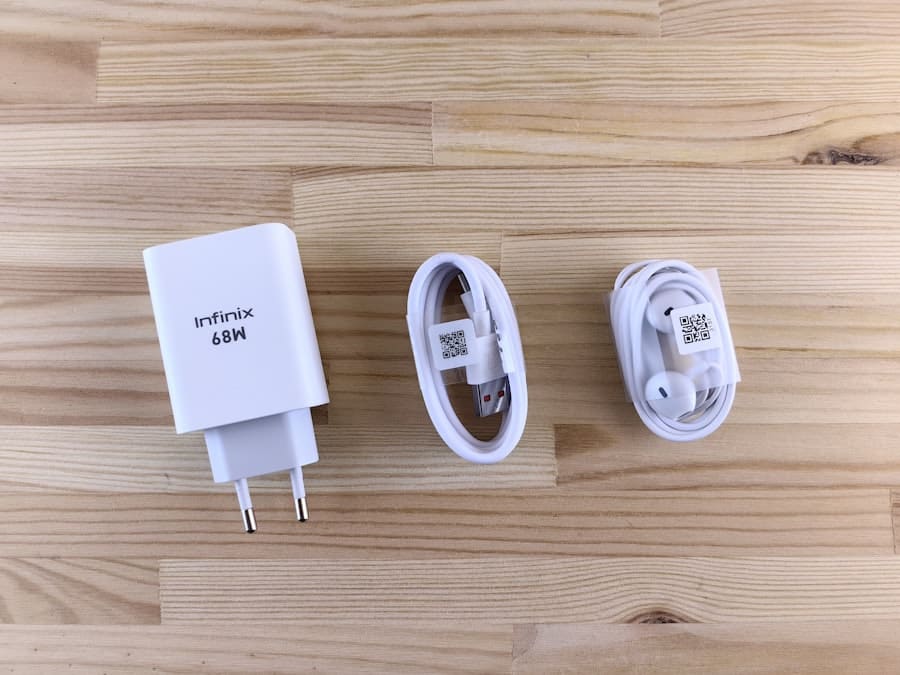
Safety is paramount when it comes to installing EV chargers and smart home devices. Electricians must take numerous precautions to mitigate risks associated with electrical installations. For example, when installing an EV charger, they must ensure that all components are rated for outdoor use if installed outside, protecting them from environmental factors such as moisture or extreme temperatures.
Additionally, electricians must implement proper grounding techniques to prevent electrical shock hazards. This includes using ground fault circuit interrupters (GFCIs) where required and ensuring that all wiring is properly insulated and secured. Furthermore, they should educate homeowners about safe charging practices, such as avoiding overloading circuits by using multiple high-demand devices simultaneously.
By prioritizing safety during installation and providing ongoing education to clients, electricians can significantly reduce the risk of accidents or malfunctions.
The Benefits of Hiring a Qualified Electrician for EV Charger Installation
Hiring a qualified electrician for EV charger installation offers numerous benefits that extend beyond mere compliance with regulations. A skilled electrician brings expertise that ensures the installation is performed correctly the first time, minimizing potential issues down the line. Their knowledge of local codes means that homeowners can rest assured that their installation meets all necessary legal requirements.
Moreover, qualified electricians can provide valuable insights into selecting the right type of charger based on individual needs and usage patterns. They can assess factors such as vehicle type, charging frequency, and available electrical capacity to recommend solutions that optimize performance and efficiency. Additionally, professional installation often comes with warranties or guarantees on workmanship, providing peace of mind for homeowners who may be concerned about future issues arising from improper installation.
The Importance of Proper Wiring and Circuit Installation for Smart Home Devices
Proper wiring and circuit installation are critical components in ensuring that smart home devices function effectively and safely. Electricians must carefully evaluate existing wiring systems before integrating new smart devices to avoid overloading circuits or creating potential hazards. For instance, when adding multiple smart lighting systems or security cameras, electricians need to ensure that the circuit can handle the cumulative load without exceeding its capacity.
Furthermore, electricians should consider future scalability when installing wiring for smart home devices. As technology evolves and more devices become available, having a robust wiring infrastructure allows homeowners to expand their smart home systems without needing extensive rewiring or upgrades later on. This foresight not only enhances convenience but also adds value to the property by future-proofing its electrical system.
Considerations for Retrofitting Older Homes with EV Chargers and Smart Home Technology
Retrofitting older homes with EV chargers and smart home technology presents unique challenges that require careful planning and execution by skilled electricians. Many older homes may have outdated electrical systems that are not equipped to handle the demands of modern technology. Electricians must assess these systems thoroughly to determine what upgrades are necessary before proceeding with installations.
For example, older homes may have insufficient amperage capacity or outdated wiring materials that do not meet current safety standards. In such cases, electricians may need to upgrade the electrical panel or replace old wiring with modern materials capable of supporting higher loads. Additionally, retrofitting may involve creative solutions for routing wiring through walls or ceilings without compromising the home’s structural integrity or aesthetic appeal.
The Future of Electricians in the Growing Market for EV Chargers and Smart Home Devices
The future of electricians appears bright as the market for EV chargers and smart home devices continues to expand rapidly. With increasing consumer interest in electric vehicles driven by environmental concerns and government incentives, there is a growing demand for qualified professionals who can install these technologies safely and efficiently. As more homeowners transition to electric vehicles, electricians will play an essential role in facilitating this shift by providing reliable installation services.
Moreover, advancements in smart home technology will further enhance opportunities for electricians. As homes become increasingly interconnected through IoT (Internet of Things) devices, electricians will need to adapt their skills to accommodate new technologies while ensuring compatibility with existing systems. This evolution will likely lead to specialized training programs focused on emerging technologies within the electrical field.
Finding a Qualified Electrician for EV Charger and Smart Home Device Installation
Finding a qualified electrician for EV charger and smart home device installation requires careful consideration of several factors. Homeowners should seek professionals who possess relevant certifications specifically related to EV installations and smart home technologies. Checking credentials through local licensing boards or professional organizations can provide assurance of an electrician’s qualifications.
Additionally, seeking recommendations from friends or family members who have had similar work done can lead to finding reputable electricians with proven track records. Online reviews and ratings on platforms like Yelp or Angie’s List can also offer insights into an electrician’s reliability and quality of work. Ultimately, taking the time to research potential candidates ensures that homeowners select qualified professionals who can deliver safe and effective installations tailored to their specific needs.
If you’re considering upgrading your home with electric vehicle (EV) chargers and smart home devices, it’s essential to understand the role of a qualified electrician in this process. For more insights on how to effectively wire your home for smart technology, you can read our article on the benefits of wiring your home as a smart home here. This resource provides valuable information on the advantages of modern wiring solutions and how they can enhance your living space.
FAQs
Can a licensed electrician install EV chargers?
Yes, licensed electricians are qualified to install electric vehicle (EV) chargers. They have the necessary training and knowledge to handle electrical wiring, ensure compliance with local codes, and safely connect the charger to your home’s electrical system.
Are electricians qualified to install smart home devices?
Many electricians are trained to install smart home devices, especially those related to electrical systems such as smart lighting, thermostats, and security systems. However, some smart home devices may require additional technical expertise or integration skills.
Do electricians need special certification to install EV chargers?
While a general electrician’s license is typically sufficient, some regions or manufacturers may require electricians to complete specific training or certification programs for EV charger installation to ensure safety and compliance.
Is it necessary to hire an electrician for EV charger installation?
Yes, hiring a licensed electrician is recommended for EV charger installation to ensure the work is done safely, meets electrical codes, and that your home’s electrical system can support the charger’s power requirements.
Can electricians help with the setup and configuration of smart home devices?
Electricians can assist with the physical installation and wiring of smart home devices. For software setup and configuration, they may collaborate with smart home specialists or provide basic assistance depending on their expertise.
What are the benefits of having an electrician install EV chargers and smart home devices?
Professional installation by an electrician ensures safety, code compliance, proper functionality, and can prevent potential electrical hazards. It also helps maintain warranty coverage for the devices and may improve system performance.
Are there any risks if EV chargers or smart home devices are installed without a professional electrician?
Improper installation can lead to electrical hazards such as shocks, fires, or damage to your home’s electrical system. It may also void warranties and fail to meet local electrical codes, leading to potential legal and insurance issues.
How do electricians determine if a home’s electrical system can support an EV charger?
Electricians assess the existing electrical panel capacity, circuit availability, and overall load to determine if upgrades or modifications are needed to safely install and operate an EV charger.
Can electricians install both Level 1 and Level 2 EV chargers?
Yes, electricians can install both Level 1 (120V) and Level 2 (240V) EV chargers, though Level 2 chargers often require more complex wiring and may necessitate electrical panel upgrades.
Is it common for electricians to offer bundled services for EV charger and smart home device installation?
Some electricians offer bundled services or packages that include installation of EV chargers along with smart home devices, providing convenience and integrated solutions for homeowners.