
Electrician costs can vary significantly based on a multitude of factors, including the complexity of the job, the electrician’s experience, and the geographical location. Typically, electricians charge either a flat rate for specific services or an hourly rate that can range from $50 to $150 or more, depending on their qualifications and the nature of the work. For instance, simple tasks like replacing a light fixture or installing a ceiling fan may incur lower costs, while more complex jobs such as rewiring a home or installing a new electrical panel can lead to much higher expenses.
Understanding these costs is crucial for homeowners and businesses alike, as it allows for better budgeting and planning when electrical work is needed. Moreover, the total cost of hiring an electrician often extends beyond just labor charges. Materials, permits, and any additional fees can contribute to the final bill.
For example, if an electrician needs to install new wiring, the cost of materials such as cables, connectors, and circuit breakers will be added to the labor costs. Additionally, some jurisdictions require permits for electrical work, which can further increase expenses. Therefore, having a comprehensive understanding of what constitutes electrician costs is essential for anyone looking to engage electrical services.
Key Takeaways
- Electrician costs vary based on factors like job complexity, location, and experience.
- Hiring a qualified and reputable electrician ensures safety and quality work.
- Negotiating costs is appropriate in certain situations but should be approached respectfully.
- Understanding what to look for in an estimate helps avoid hidden fees and misunderstandings.
- Alternatives to negotiating include comparing multiple quotes and seeking financing options.
Factors That Influence Electrician Costs
Several factors play a pivotal role in determining the overall costs associated with hiring an electrician. One of the most significant influences is the complexity of the job itself. Simple tasks like changing a light bulb or installing a switch may take only a short amount of time and require minimal materials, resulting in lower costs.
In contrast, more intricate projects such as whole-house rewiring or installing advanced lighting systems can demand extensive labor and specialized materials, leading to higher charges. Geographical location is another critical factor that affects electrician costs. Urban areas often have higher labor rates due to increased demand and living costs.
For instance, hiring an electrician in New York City may cost significantly more than in a rural area due to the higher cost of living and operational expenses in metropolitan regions. Additionally, local regulations and licensing requirements can influence pricing; electricians may need to charge more to cover the costs associated with obtaining necessary permits or adhering to specific codes.
The Importance of Hiring a Qualified Electrician
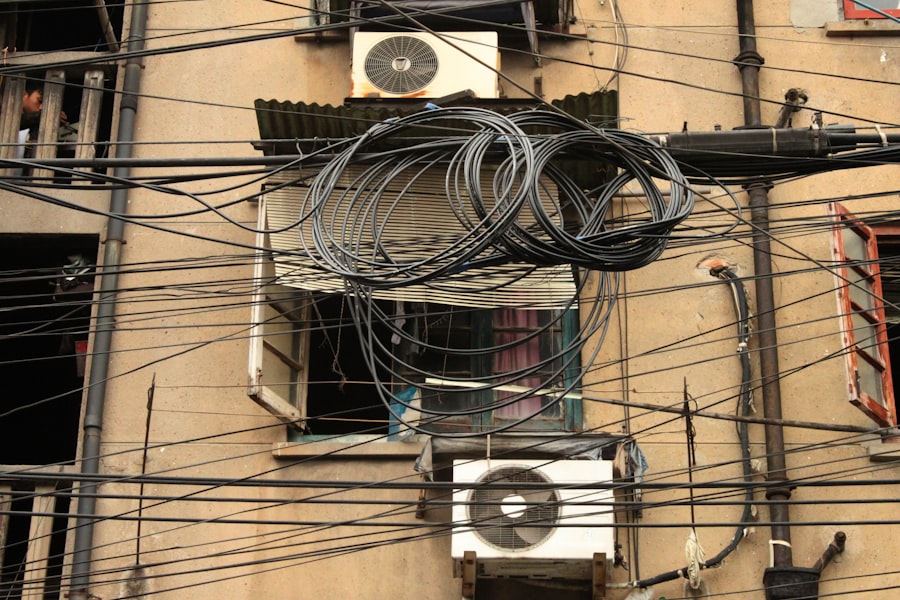
Hiring a qualified electrician is paramount for ensuring safety and compliance with electrical codes. Electrical work can be hazardous if not performed correctly, leading to potential risks such as electrical fires or electrocution. A licensed electrician possesses the necessary training and expertise to handle various electrical tasks safely and effectively.
They are familiar with local building codes and regulations, ensuring that all work meets legal standards and passes inspections. Furthermore, qualified electricians often carry liability insurance, which protects both them and their clients in case of accidents or damages during the job. This insurance provides peace of mind for homeowners who may be concerned about potential mishaps during electrical installations or repairs.
By hiring a qualified professional, clients can rest assured that their electrical systems are in capable hands, reducing the likelihood of future issues that could arise from subpar work.
Tips for Negotiating Electrician Costs
Negotiating electrician costs can be a daunting task for many homeowners, but it is often possible to reach a mutually beneficial agreement. One effective strategy is to gather multiple estimates from different electricians before making a decision. By comparing quotes, clients can gain insight into the average market rates for specific services and identify any outliers that may be charging excessively high prices.
This information can serve as leverage during negotiations. Another tip is to be transparent about your budget constraints. If you have a specific amount you are willing to spend on a project, communicate this openly with the electrician.
Many professionals are willing to work within a client’s budget by suggesting alternative solutions or adjusting the scope of work to fit financial limitations. Additionally, discussing payment options upfront can help establish clear expectations and foster a collaborative atmosphere during negotiations.
When Negotiating Electrician Costs is Appropriate
| Factor | Typical Cost Range | Negotiability | Notes |
|---|---|---|---|
| Hourly Rate | 50 – 100 per hour | Moderate | Rates may vary by region and experience; some room for negotiation on larger jobs |
| Service Call Fee | 30 – 75 | Low | Usually fixed, but sometimes waived with larger projects |
| Material Costs | Varies | Low to Moderate | Electricians may mark up materials; negotiating bulk purchases can reduce costs |
| Project Type | Varies | High | Large or complex projects often have more room for negotiation |
| Time of Year | N/A | Moderate | Off-peak seasons may offer better pricing |
| Payment Terms | N/A | Moderate | Offering upfront or cash payments may encourage discounts |
Negotiating electrician costs is appropriate in various scenarios, particularly when dealing with larger projects or when multiple estimates have been obtained. For instance, if you are planning a significant renovation that requires extensive electrical work, it is reasonable to discuss pricing with potential electricians to ensure you receive fair value for your investment. In such cases, electricians may be more open to negotiation due to the potential for ongoing work or referrals.
Additionally, if you have received multiple quotes for similar services, it is entirely appropriate to use this information as a basis for negotiation. If one electrician offers a lower price for comparable work, you can present this quote to other electricians as part of your discussion. This approach not only demonstrates that you are informed but also encourages electricians to reconsider their pricing in order to remain competitive.
How to Approach Negotiating Electrician Costs
Approaching negotiations with an electrician requires tact and professionalism. Start by establishing rapport with the electrician; building a positive relationship can create an environment conducive to open dialogue about costs. When discussing pricing, be respectful and express appreciation for their expertise while clearly outlining your budgetary constraints.
It is also beneficial to ask questions about the estimate provided. Inquire about specific line items in the quote and seek clarification on any charges that seem unclear or excessive. This not only demonstrates your engagement in the process but also allows you to understand better what you are paying for.
If there are areas where costs can be reduced without compromising quality—such as opting for less expensive materials or adjusting timelines—discuss these options openly.
Common Misconceptions About Negotiating Electrician Costs
One common misconception about negotiating electrician costs is that it is always possible to obtain significant discounts simply by asking. While negotiation is certainly feasible in many situations, it is essential to recognize that electricians have their own operational costs and profit margins that must be maintained. Expecting drastic reductions may not only be unrealistic but could also lead to subpar service if an electrician feels pressured to lower their rates excessively.
Another misconception is that all electricians are willing to negotiate their prices. While some may be open to discussions about costs, others may have fixed pricing structures based on their experience and expertise. It is crucial to approach negotiations with an understanding that not all professionals will be flexible in their pricing and that quality service often comes at a premium.
Alternatives to Negotiating Electrician Costs
If negotiating costs does not yield satisfactory results or if you prefer not to engage in negotiations altogether, there are alternative strategies to consider when hiring an electrician. One option is to seek out electricians who offer flat-rate pricing for specific services rather than hourly rates. Flat-rate pricing can provide clarity on costs upfront and eliminate concerns about unexpected charges accumulating over time.
Another alternative is to explore financing options or payment plans offered by some electricians or electrical companies. These arrangements can make it easier for clients to manage larger expenses without feeling overwhelmed by upfront costs. Additionally, some electricians may offer seasonal promotions or discounts for first-time customers; taking advantage of these opportunities can lead to savings without the need for negotiation.
The Benefits of Hiring a Reputable Electrician
Engaging a reputable electrician comes with numerous advantages that extend beyond mere cost considerations. A well-regarded professional typically has a proven track record of delivering high-quality work and customer satisfaction. This reputation often stems from years of experience and positive reviews from previous clients, which can provide peace of mind when entrusting someone with your electrical needs.
Moreover, reputable electricians are more likely to adhere strictly to safety standards and local codes, minimizing risks associated with electrical work. They often invest in ongoing training and education to stay updated on industry best practices and technological advancements. By choosing a reputable electrician, clients can feel confident that they are receiving reliable service backed by expertise and professionalism.
What to Look for in an Electrician’s Estimate
When reviewing an electrician’s estimate, several key elements should be scrutinized to ensure clarity and transparency. First and foremost, the estimate should include a detailed breakdown of all costs associated with the project—this includes labor charges, materials, permits, and any additional fees that may apply. A comprehensive estimate allows clients to understand exactly what they are paying for and helps identify any potential discrepancies.
Additionally, it is essential to check whether the estimate includes information about warranties or guarantees on both labor and materials used. A reputable electrician will often stand behind their work and provide assurances regarding the quality of their services. Finally, ensure that the estimate outlines the timeline for project completion; having clear expectations regarding when work will begin and end can help prevent misunderstandings down the line.
Final Thoughts on Negotiating Electrician Costs
Navigating the world of electrician costs can be complex, but understanding how to negotiate effectively can lead to better outcomes for homeowners and businesses alike. By being informed about typical pricing structures, recognizing when negotiation is appropriate, and approaching discussions with respect and professionalism, clients can foster positive relationships with electricians while ensuring they receive fair value for their investment. Ultimately, while negotiating costs is an important aspect of hiring an electrician, it should not overshadow the significance of quality workmanship and safety standards.
Prioritizing these factors alongside cost considerations will lead to more satisfactory results in any electrical project undertaken.
When considering whether electrician costs are negotiable, it’s also important to understand the broader context of electrical work, especially in preparation for seasonal challenges. For instance, you might find it useful to read about preparing your home’s electrical system for Florida’s spring storms, which highlights the importance of ensuring your electrical setup is robust and reliable. This knowledge can empower you during negotiations, as you can better assess the value of the services being offered.
FAQs
Are electrician costs typically negotiable?
Yes, electrician costs can sometimes be negotiable depending on the scope of the work, the electrician’s pricing structure, and the local market conditions. It’s often possible to discuss pricing before work begins.
What factors influence the cost of hiring an electrician?
Factors include the complexity of the job, the materials required, the electrician’s experience and certification, the location, and whether the work is urgent or outside normal business hours.
How can I negotiate electrician costs effectively?
To negotiate effectively, get multiple quotes, clearly outline the work needed, ask for a detailed estimate, and discuss any potential discounts for larger projects or repeat business.
Is it better to pay a flat rate or hourly rate for electrician services?
It depends on the job. Flat rates are often preferred for well-defined tasks, while hourly rates may be better for projects with uncertain scope. Clarify this with the electrician before starting work.
Are there any risks to negotiating electrician costs?
Negotiating costs should not compromise the quality or safety of the work. Always ensure the electrician is licensed and insured, and avoid accepting significantly lower prices that may indicate substandard work.
Can I get a written estimate or contract before work begins?
Yes, it is advisable to request a written estimate or contract that outlines the scope of work, costs, payment terms, and timelines to avoid misunderstandings.
Do electricians charge extra for emergency or after-hours work?
Many electricians charge higher rates for emergency or after-hours services. This is often non-negotiable due to the urgency and inconvenience involved.
Are there any additional costs I should be aware of?
Additional costs may include permits, materials, travel fees, or disposal of old equipment. Clarify these potential charges upfront with the electrician.