
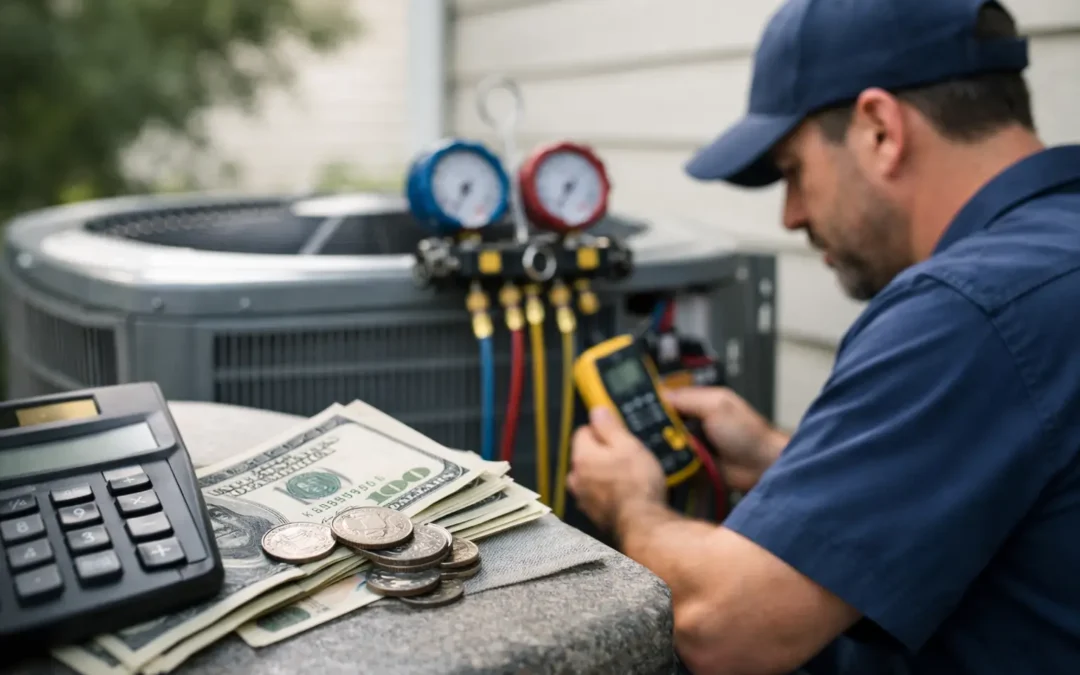
A Florida AC rarely picks a convenient time to fail. It quits on the hottest afternoon, starts blowing warm air before guests arrive, or makes a noise that tells you something is wrong long before the system fully stops. When that happens, one of the first questions homeowners ask is simple: what is a fair AC repair cost?
The honest answer is that AC repair cost can vary a lot depending on the problem, the age of the system, the parts required, and how quickly service is needed. A minor electrical fix is very different from a refrigerant leak or a failed compressor. The good news is that once you understand what drives the price, it becomes easier to spot reasonable estimates and make smart decisions for your home.
What affects AC repair cost?
Most repair pricing comes down to diagnosis, labor, replacement parts, and the overall condition of the equipment. If the issue is straightforward, such as a failed capacitor or clogged drain line, the repair is usually faster and less expensive. If the technician has to track down an intermittent electrical fault, locate a refrigerant leak, or replace a major component, the cost naturally rises.
System type matters too. A central air conditioning system, heat pump, mini-split, or package unit can all involve different parts and service procedures. Brand-specific components may cost more, and older systems can be harder to repair because parts may be discontinued or less readily available.
In Southwest Florida, usage also plays a role. Air conditioners here run hard for much of the year. That heavy demand can shorten the life of certain components, especially if maintenance has been delayed or airflow has been restricted by a dirty filter or neglected coil.
Typical AC repair cost ranges
While every job is different, homeowners can usually expect repairs to fall into a few broad categories. Smaller fixes often land in the lower range, while major mechanical or refrigerant-related work costs more.
A basic service call and diagnosis is usually the starting point. After that, common repairs such as replacing a capacitor, contactor, thermostat, or clearing a condensate drain line are often among the more affordable repairs. Blower motor repairs, fan motor replacements, control board issues, and refrigerant leak repairs typically fall into a middle range because they involve more labor, higher-cost parts, or both.
Compressor problems are often at the top end of AC repair cost. That is because the compressor is one of the most expensive components in the system, and replacing it can be labor-intensive. In some cases, a compressor repair estimate is high enough that replacement of the entire system becomes worth discussing.
Exact numbers depend on your unit, your warranty status, and what the technician finds after testing. A trustworthy contractor should explain what failed, why it failed, and whether the repair addresses the root problem or only the symptom.
Common repairs and what they usually mean
Capacitor or contactor replacement
These are common wear items, especially in hot climates where systems cycle often. When one fails, your AC may not start, may struggle to turn on, or may make a humming sound. These are usually among the simpler repairs, though they still need to be handled safely by a licensed professional because high voltage is involved.
Thermostat problems
Sometimes the AC itself is not the issue. A malfunctioning thermostat, wiring problem, or calibration issue can cause short cycling, uneven cooling, or no cooling at all. This repair can be relatively modest, but it depends on whether the fix is a wiring correction, reprogramming, or full thermostat replacement.
Condensate drain line clogs
In Florida, AC systems pull a lot of moisture from the air. That means condensate lines can clog with algae, sludge, or debris. If the drain backs up, the system may shut off to prevent water damage. This is often one of the more manageable service calls, especially when caught early.
Fan motor or blower motor repair
If your system is running but airflow is weak, noisy, or inconsistent, a motor issue may be to blame. These repairs often cost more than minor electrical fixes because the parts are more expensive and labor can take longer.
Refrigerant leak repair
This is where pricing becomes more variable. A leak must be located, repaired, and the system recharged properly. If the leak is in an accessible connection, the repair may be reasonable. If the coil is leaking or the system uses older refrigerant, the total AC repair cost can increase quickly.
Compressor repair or replacement
A failed compressor is one of the most serious AC problems. Sometimes the issue is electrical and repairable. Other times, the compressor itself has failed. At that point, the cost may be high enough that replacing the system deserves serious consideration, especially if the unit is older.
Why two estimates can look very different
Homeowners are often surprised when one company quotes much less or much more than another. That difference can come from several places.
One contractor may be quoting a quick part swap without addressing underlying causes, while another is including additional testing, electrical corrections, or cleanup that helps prevent repeat failures. Warranty coverage can also change the final number significantly. If a part is covered by the manufacturer but labor is not, your bill may still be substantial, though lower than a fully out-of-pocket repair.
There is also a difference between transparent pricing and vague pricing. A reliable estimate should explain labor, parts, and any recommended follow-up work in plain language. If pricing feels rushed or unclear, it is reasonable to ask questions before approving the repair.
When repair makes sense and when replacement may be smarter
Not every broken AC should be replaced, and not every repair is a good investment. The right answer depends on age, efficiency, repair history, and the severity of the current issue.
If your system is relatively new and the repair is minor or moderate, repair is usually the practical choice. If the unit has been dependable and the problem is isolated, a well-done repair can restore performance without much debate.
If the system is older, needs expensive parts, has poor efficiency, or has needed several repairs in a short period, replacement may save money over time. This is especially true if the repair involves a compressor, evaporator coil, or refrigerant issue on an aging unit. In those situations, spending a large amount on a temporary fix may not be the best long-term move.
A good technician should be willing to talk through both options honestly. That means showing the repair cost, explaining expected remaining life, and helping you weigh the trade-offs instead of pushing one outcome.
How Florida conditions can raise AC repair cost
Southwest Florida homes put unusual demands on cooling equipment. Long cooling seasons, high humidity, salt air in some areas, and heavy afternoon storms can all affect AC performance and reliability.
High humidity increases condensate production and can contribute to drain line issues. Storms and power fluctuations can damage electrical components. Homes near the coast may see faster corrosion on outdoor equipment. Even something as simple as a clogged filter can strain the system more here because the unit may already be working nearly nonstop.
That does not mean repairs are always avoidable, but it does explain why preventive maintenance matters so much in this region. A system that is cleaned, tested, and adjusted on schedule is less likely to surprise you with an emergency repair at the worst possible time.
How to keep AC repair cost under control
The most effective way to lower future repair bills is to catch small problems before they become major ones. Strange noises, weak airflow, warm spots in the house, short cycling, or an unexplained rise in your electric bill are all signs that the system needs attention.
Regular maintenance also matters. Cleaning coils, checking refrigerant levels, tightening electrical connections, inspecting motors, and flushing the drain line can prevent a lot of common breakdowns. Homeowners can help by changing filters on schedule and keeping the outdoor unit clear of debris, but diagnosis and repairs should be left to licensed HVAC professionals.
It also helps to act early. Waiting a week with a struggling capacitor or a partially clogged drain line can turn a small repair into a larger one. Fast attention often means less damage, lower labor time, and a better chance of saving the equipment.
What to ask before approving a repair
If you are comparing options, ask what failed, whether the estimate includes diagnosis, whether any warranty applies, and whether the repair solves the cause of the problem or just restores temporary operation. You can also ask how much useful life the technician expects from the system after the repair.
Those questions are not about challenging the technician. They are about making sure you understand what you are paying for. Clear answers are usually a sign that you are dealing with a company that values transparency and wants you to feel confident in the decision.
When your home depends on reliable cooling, AC repair cost is about more than a number on an invoice. It is about restoring comfort safely, protecting your equipment, and choosing the option that makes the most sense for your home now and over the next few seasons. If something feels off with your system, getting it checked sooner rather than later is usually the best way to stay ahead of a much bigger problem.